

Scaevola taccada
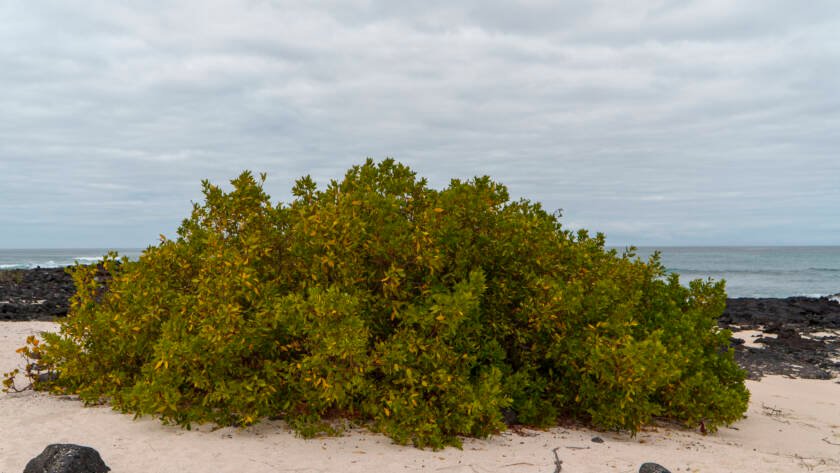
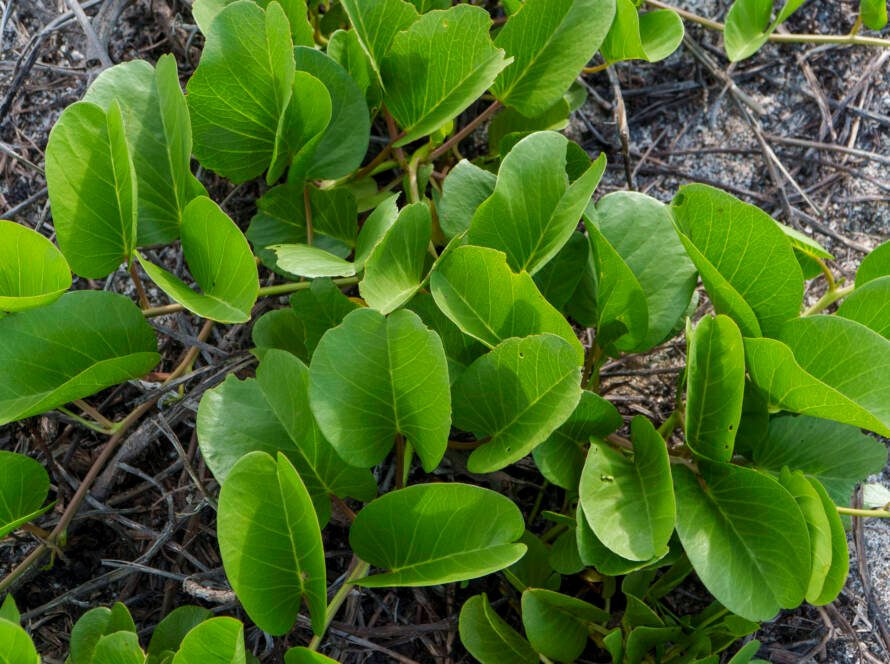
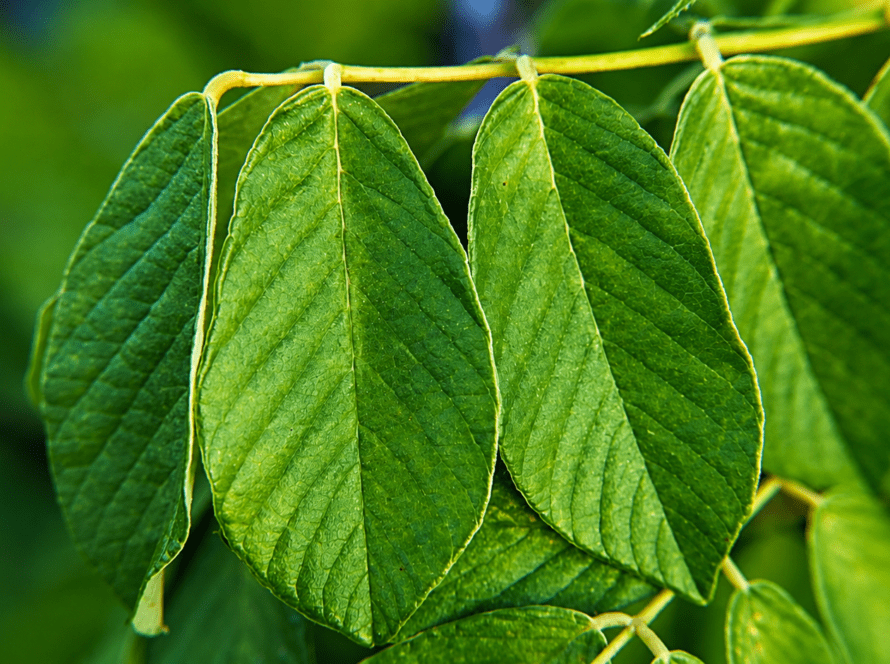
A medium-sized coastal shrub with woody stems, fleshy oval leaves, and white flowers displaying a highly distinctive morphology: all five petals are oriented to one side, as if the flower had been split in half.
This floral asymmetry — known as zygomorphy — is a specialized adaptation for pollination by bees and insects.
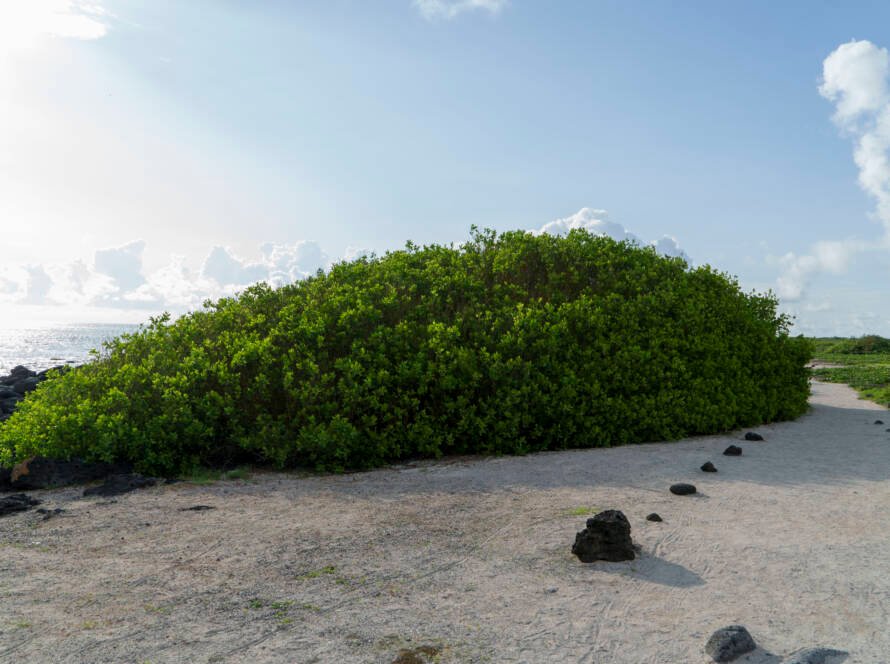
Its leaves store water in their succulent tissues, enabling the plant to survive in environments of high salinity, constant wind, and nutrient-poor sandy soil. It forms dense thickets that stabilize coastal dunes and prevent erosion.
In Galápagos, naupaka is considered an introduced species capable of competing aggressively with native coastal flora. Its management is an active component of the Galápagos National Park’s ecological restoration programs.