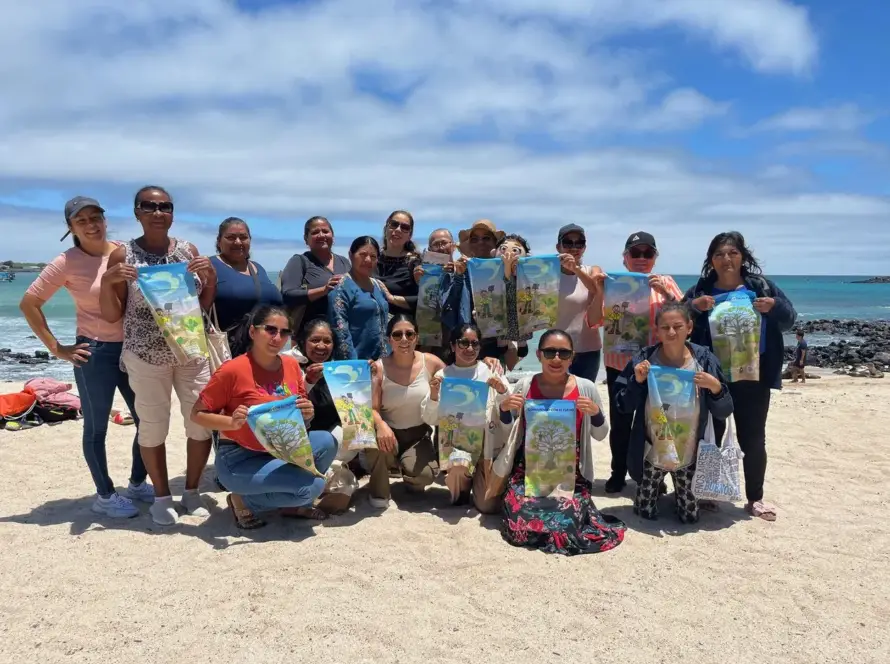
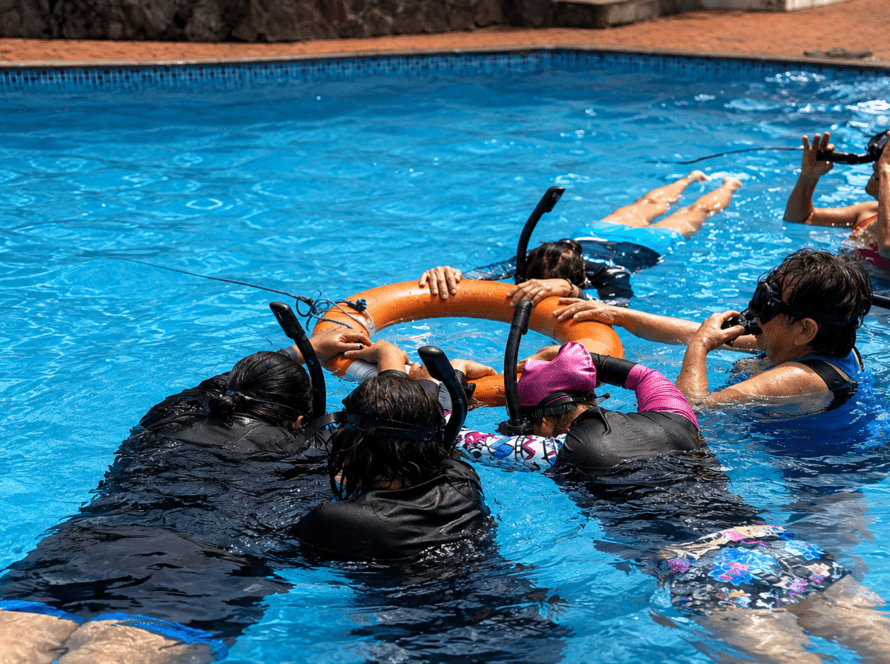
“When they explained to me what plastic does in the ocean, I stopped buying bottled water. It’s a small thing, but now I tell everyone why.”
— Elizabeth, Blue Guardian, San Cristóbal
Introduction
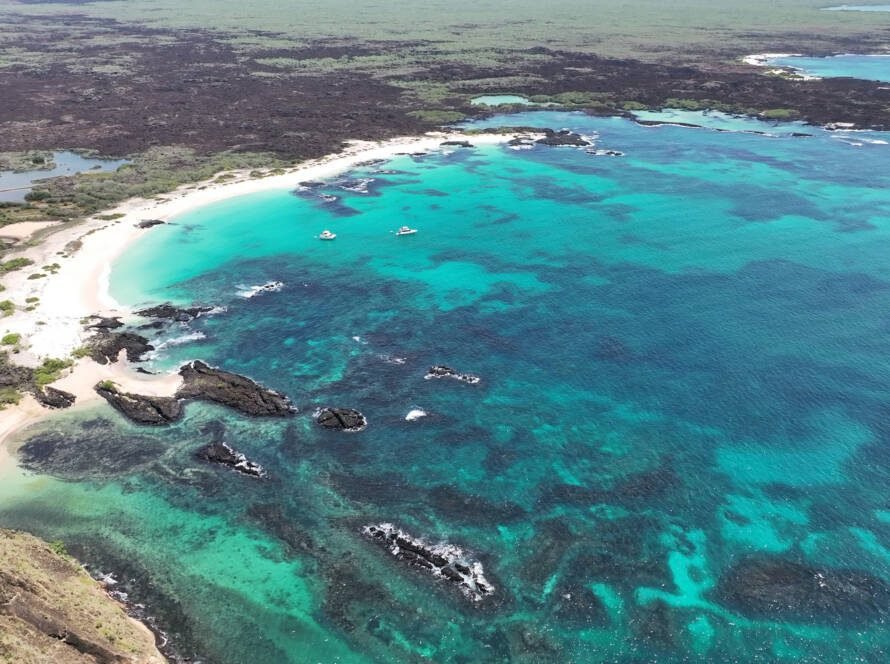
Even in one of the world’s most protected archipelagos, the Galápagos Islands face serious and growing environmental threats. Understanding them is the first step toward acting to address them.
What we learned
Invasive species:
Introduced plants and animals that compete with and displace native species. The main terrestrial invasives in Galápagos include rats, cats, goats, and plants such as guava and mora. In the marine environment, fishing hooks and debris create unintended mortality.
Marine pollution:
Plastic waste, chemical runoff, and oil contamination directly affect marine wildlife. Sea turtles, sea lions, and seabirds are among the most impacted species.
Climate change and El Niño:
Warming ocean temperatures reduce the availability of cold-water prey and cause mass bleaching of coral reefs. The Galápagos Fur Seal is particularly vulnerable.
Overfishing and illegal fishing:
Artisanal fishing is legal and regulated, but illegal fishing in the Marine Reserve continues to threaten fish stocks and the broader food web.
Unregulated tourism:
Inadequate behavior by visitors (feeding wildlife, approaching nesting areas, leaving waste) degrades wildlife habitats and disrupts natural behaviors.
What Science Says
A 2024 report from the Charles Darwin Foundation confirms that the combination of climate change and invasive species now represents the greatest cumulative threat to Galápagos biodiversity. However, research also shows that community-based conservation programs — like Blue Guardians — produce measurable reductions in local human pressures and increase the likelihood of long-term ecosystem recovery.
Reflect
What is one daily action you can take to reduce your impact on the marine environment of Galápagos?
Now Do It Yourself
Explore the San Cristóbal Waterfront in 360° — take a virtual walk through the heart of the community and discover information points about local life and coastal biodiversity.
Learn the rules of the Galápagos National Park — understanding what is and isn’t allowed is a concrete way to protect the ecosystem.
Share on WhatsApp — talking about climate change with your family and community is also an act of conservation.
References
Denkinger, J. (2024). Review of One Health in the Galápagos Islands (Part 2): Climate change, anthropogenic activities, and socioeconomic sustainability. Frontiers in Conservation Science. https://doi.org/10.3389/fcosc.2024.1351716
Escobar-Camacho, D., Salinas-de-León, P., & Vinueza, L. (2021). Oceanic islands and climate: Using a multi-criteria model of drivers of change to select key conservation areas in Galapagos. Regional Environmental Change, 21(3), 1–14. https://doi.org/10.1007/s10113-021-01768-0
IUCN. (2024). Galápagos Islands World Heritage Outlook. https://worldheritageoutlook.iucn.org
Naciones Unidas. (2015). Agenda 2030 para el Desarrollo Sostenible. Objetivos de Desarrollo Sostenible 13 y 14. https://sdgs.un.org
Paltán, H., Chadwick, O., Kinnaird, M., Bhatt, U., & Jochum, M. (2021). Climate and sea surface trends in the Galapagos Islands. Scientific Reports, 11(1), 14871. https://doi.org/10.1038/s41598-021-93870-w
Quishpe, D. (2025). Informe final — Taller de cambio climático y adaptación. Proyecto Guardianas Azules.
Torres, M., & Carvajal, R. (2020). Gestión comunitaria del turismo en Galápagos: Desafíos y oportunidades. Revista de Ciencias Sociales, 28(2), 211–225.