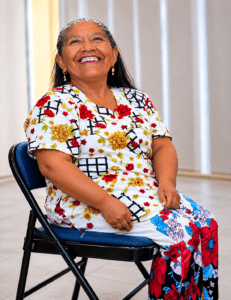
Lorena, Blue Guardian, San Cristóbal“Learning to snorkel was one of the most exciting experiences of my life. Now I teach my children. We explore the sea together.”

— Lorena, Blue Guardian, San Cristóbal
Introduction

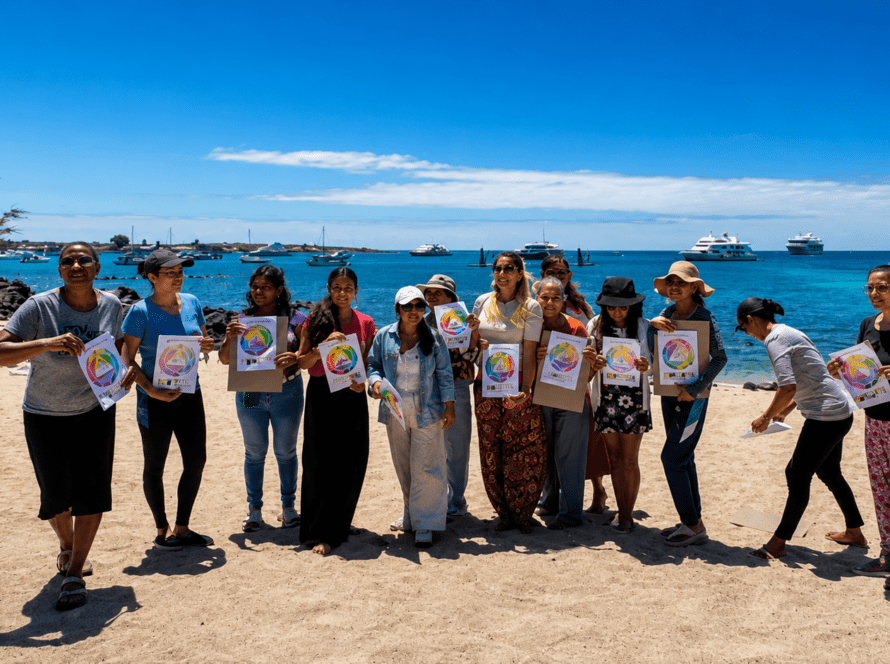
This module focuses on the practical skills that allow women from San Cristóbal to engage safely and confidently with the ocean — from basic swimming and snorkeling to understanding maritime safety and responsible behavior in marine environments.

What we learned

Snorkeling basics:

Proper equipment use, mask clearing, and controlled breathing techniques for safe observation of marine life.

Water safety:

Recognizing currents, rip tides, and sea conditions; understanding when and where it is safe to enter the water.

Responsible marine behavior:

minimizing impact on marine ecosystems: not touching wildlife, maintaining distance from animals, and avoiding reef contact.

Emergency procedures:

Basic first response for water-related incidents and the importance of the buddy system.

What Science Says

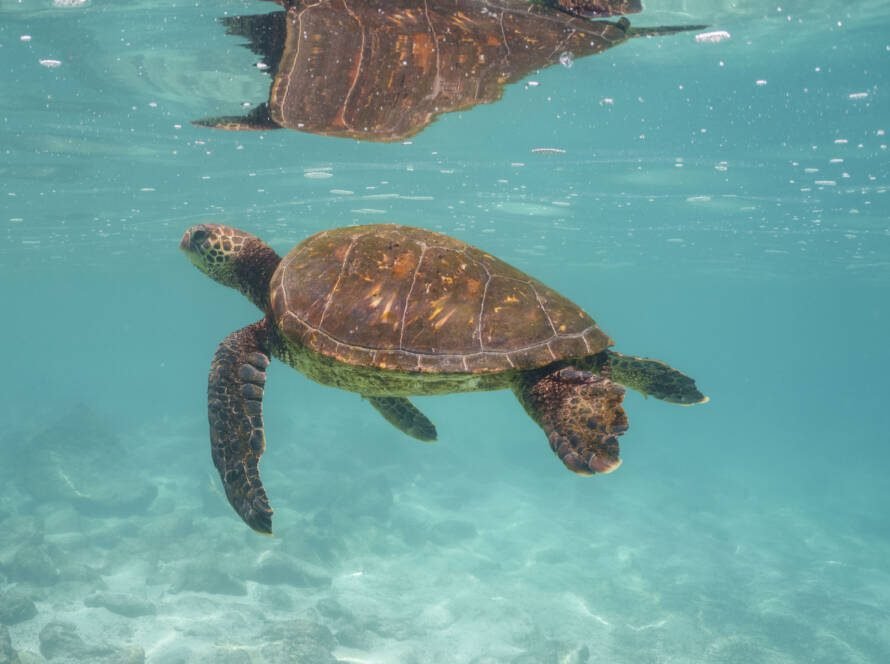
Research in environmental education confirms that direct, embodied experiences in natural settings — such as snorkeling — generate deeper ecological awareness and longer-lasting behavioral change than classroom-only learning. Participants who directly observe marine biodiversity develop a stronger personal commitment to its conservation.

Reflect

Before this project, what was your relationship with the ocean? How has it changed?

Now Do It Yourself

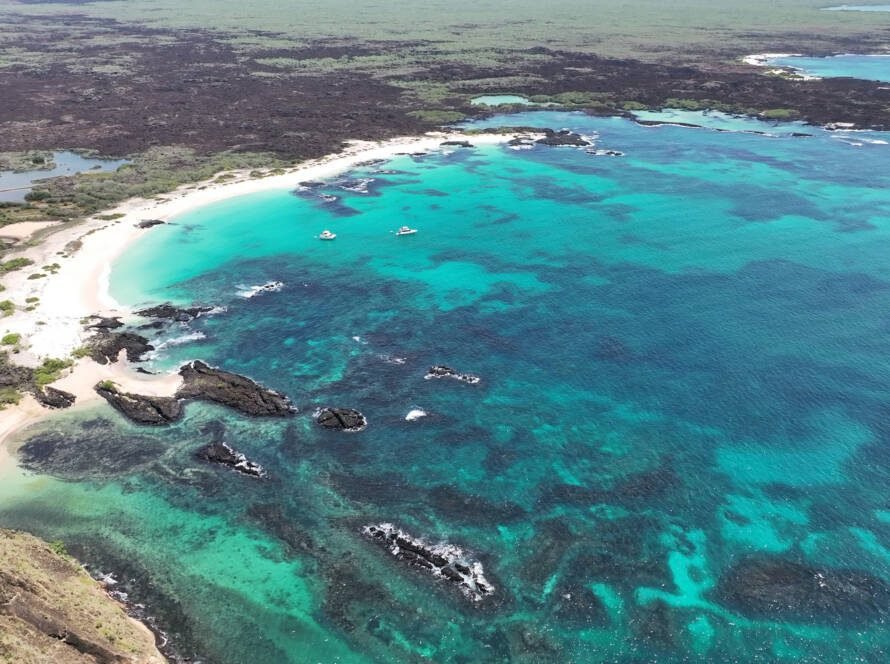
Explore León Dormido and Isla Lobos in 360° and practice identifying the species you have already encountered in the water.

Visit the Library — get to know the animal and plant species that make this island unique.

Download iNaturalist — the next time you see an animal or plant in Galápagos, record it. Your observation can contribute to science.

References

Armada del Ecuador — Dirección Regional de los Espacios Acuáticos y Guardacostas Insular. (2023). Seguridad marítima en Galápagos: campaña #SeguridadEnLaMar. armada.mil.ec

Consejo de Gobierno de Galápagos. (2025). Gobierno nacional fortalece la seguridad marítima en Galápagos. gobiernogalapagos.gob.ec

Fundación Ola Igualdad. (2026). Informe trimestral — Avance Objetivo Específico 2: Habilidades acuáticas y seguridad marina. Proyecto Guardianas Azules. Galápagos Life Fund.

Instituto Oceanográfico y Antártico de la Armada — INOCAR. (2024). Carta náutica temática del  Archipiélago de Galápagos. inocar.mil.ec

Manta Trust. (2023). Ocean Women Initiative. https://www.mantatrust.org/ocean-women

Manta Trust & IUCN Shark Specialist Group. (2022). Empowering women through ocean  opportunities. https://issuu.com/iucnsharkspecialistgroup

Ministerio de Transporte y Obras Públicas del Ecuador. (2021). Ley Orgánica de Navegación, Gestión, Seguridad y Protección Marítima.

Naciones Unidas. (2021). Decenio de las Naciones Unidas para las Ciencias Oceánicas para el Desarrollo Sostenible 2021-2030. https://oceandecade.org

Parque Nacional Galápagos. (2024). Letreros de Playa Segura renovados en San Cristóbal — Sistema de banderas de advertencia. galapagos.gob.ec

Servicio Nacional de Gestión de Riesgos y Emergencias. (2019). Normativa de seguridad, rescate y salvamento acuático. gestionderiesgos.gob.ec

UNESCO Ocean Decade. (2025). Ocean science in action: Empowering women for a sustainable ocean future. https://oceandecade.org

Women in Ocean Science. (2024). Mission. https://www.womeninoceanscience.com/mission