360° tour · accessible version

Cerro Tijeretas and Punta Carola: accessible 360° tour (text version)

Explore Cerro Tijeretas and Punta Carola in 360°: viewpoints, Darwin Bay, reef fish, endemic plants and surf on San Cristóbal, Galápagos. 26 scenes.

This page presents all the content of the 360° tour as text, images and links, for use with a screen reader or keyboard.

26 scenes · 35 points of interest
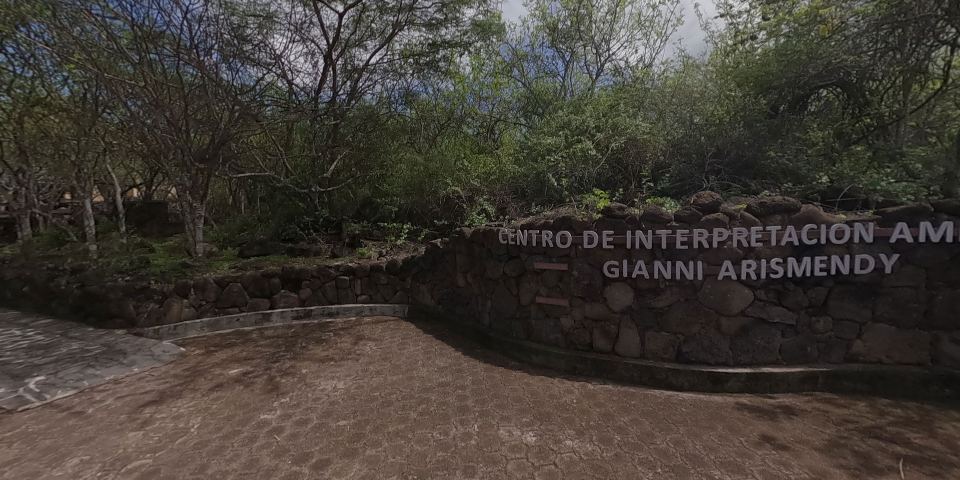
Scene 1Access path to the Cerro Tijeretas Interpretation Center

Immersive 360-degree image showing the access path to the Cerro Tijeretas Interpretation Center. Points of interest can be seen to begin or continue the route, or to explore local plant species.

Points of interest

TextCerro Tijeretas

Cerro Tijeretas on San Cristóbal, Galápagos, is an iconic lookout point with walking trails, famous for frigatebird (tijereta) sightings, unmatched panoramic views, spectacular snorkeling, and the Darwin statue.
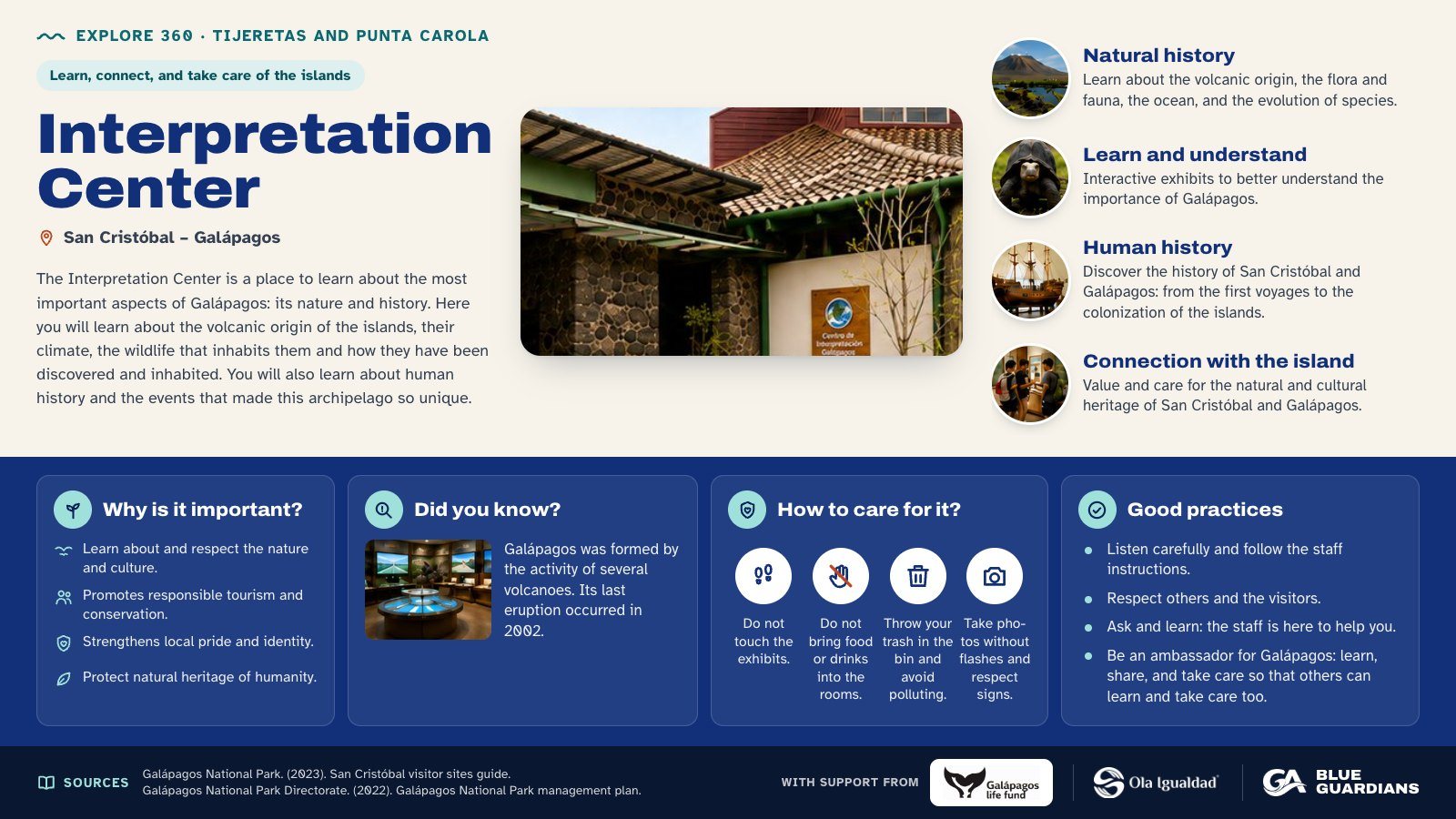
InfographicInterpretation Center

Infographic about Interpretation Center: natural history, learn and understand, human history and connection with the island. Also covers: why is it important, did you know, how to care for it and good practices.
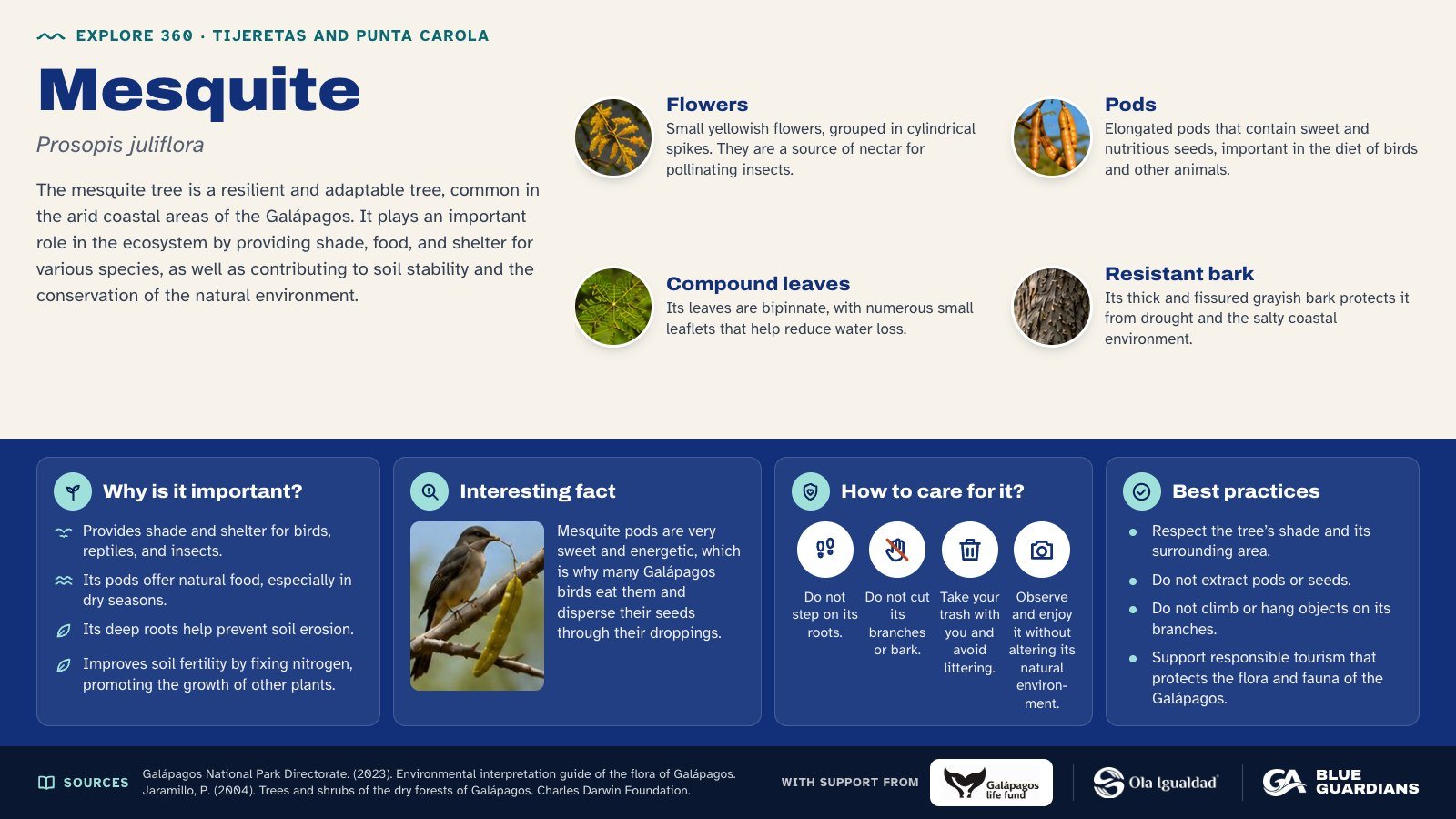
InfographicMesquite tree

Infographic about Mesquite (Prosopis juliflora): flowers, pods, compound leaves and resistant bark. Also covers: why is it important, interesting fact, how to care for it and best practices.
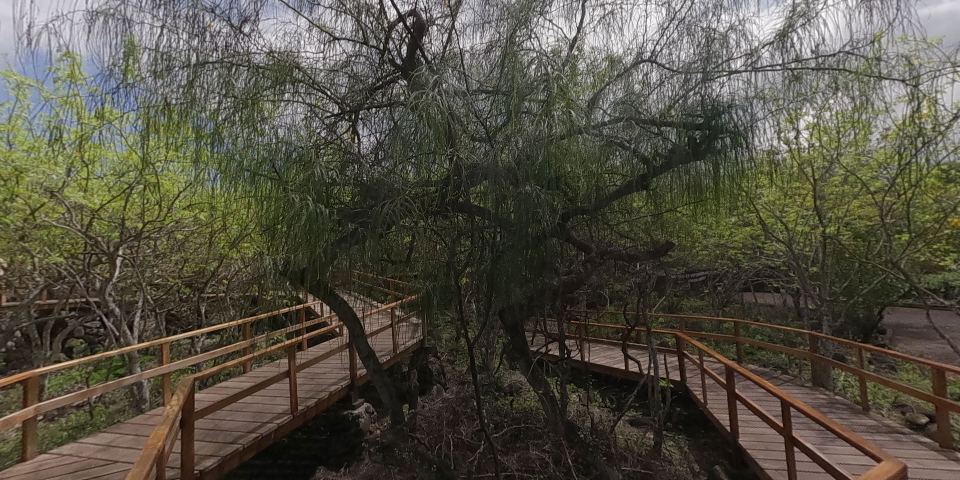
From here you can go to

Back to the list of scenes

Scene 2Route toward the Cerro Tijeretas Interpretation Center

Immersive 360-degree image showing the route toward the Cerro Tijeretas Interpretation Center. Points of interest about local plant species can be seen.

Points of interest

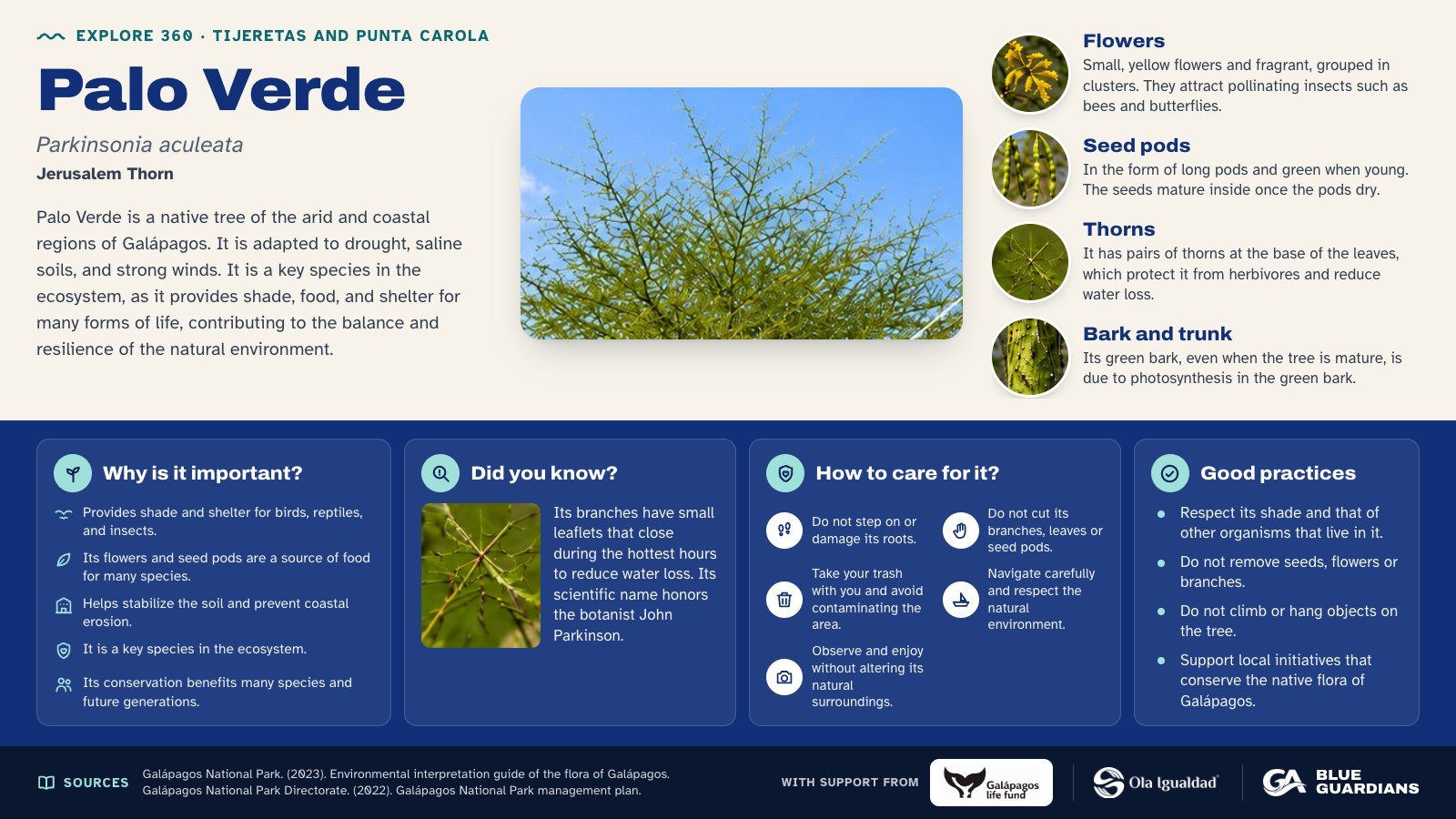
InfographicPalo verde

Infographic about Palo Verde (Parkinsonia aculeata): flowers, seed pods, thorns and bark and trunk. Also covers: why is it important, did you know, how to care for it and good practices.
From here you can go to

Back to the list of scenes

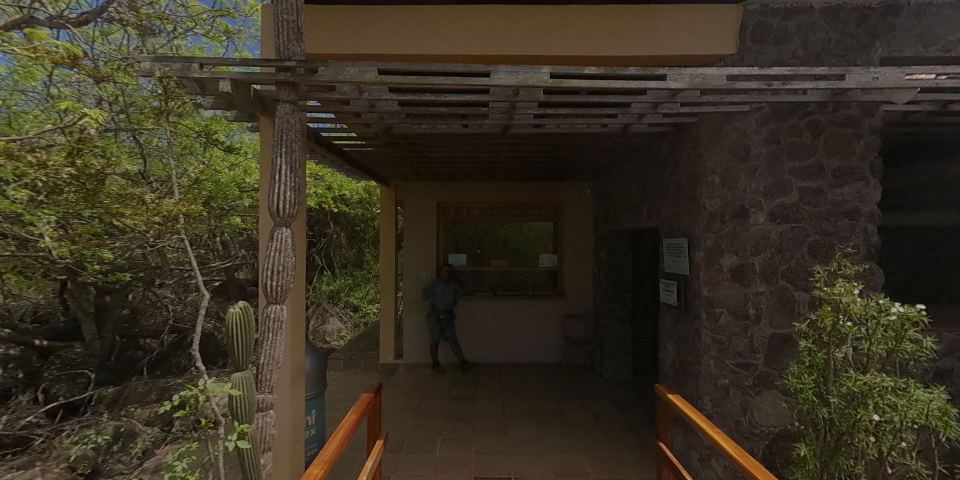
Scene 3Pedestrian entrance to the Cerro Tijeretas Interpretation Center

Immersive 360-degree image showing the pedestrian entrance to the Cerro Tijeretas Interpretation Center. Points of interest about local plant species can be seen.

Points of interest

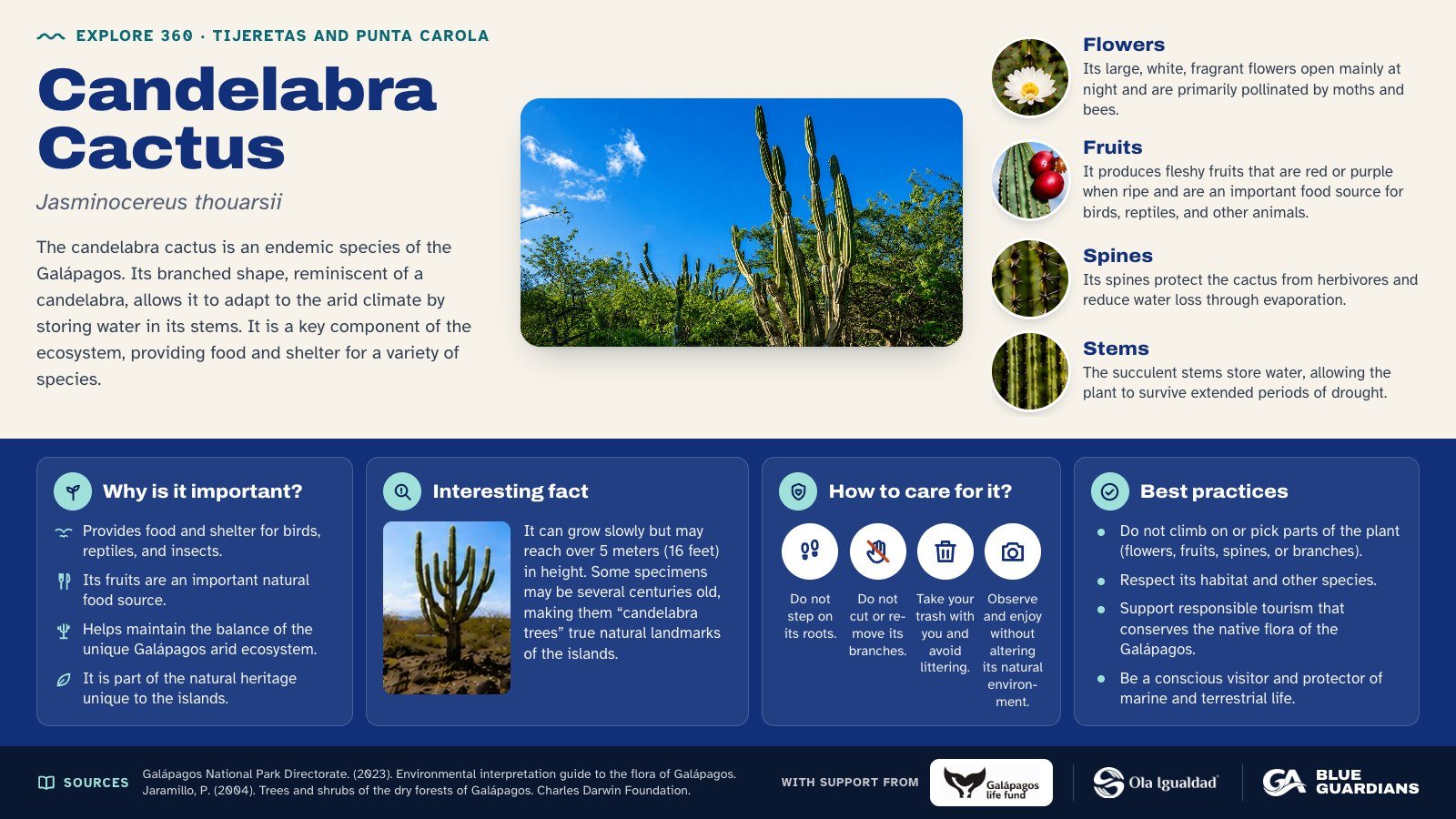
InfographicCandelabro Cactus

Infographic about Candelabra Cactus (Jasminocereus thouarsii): flowers, fruits, spines and stems. Also covers: why is it important, interesting fact, how to care for it and best practices.
From here you can go to

Back to the list of scenes

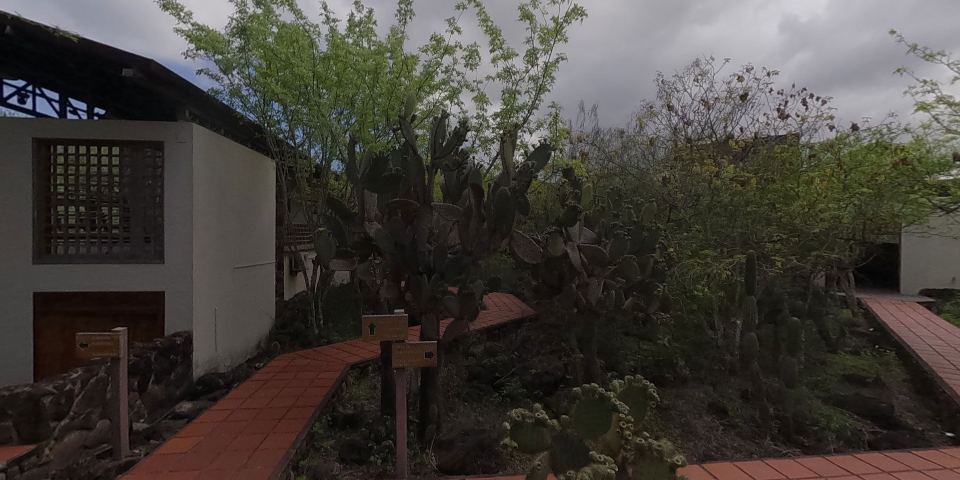
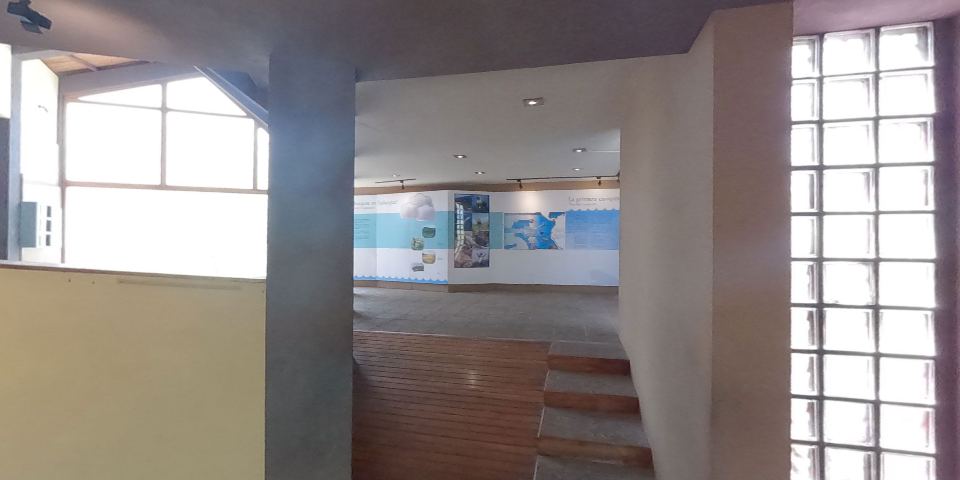
Scene 4Cerro Tijeretas Interpretation Center

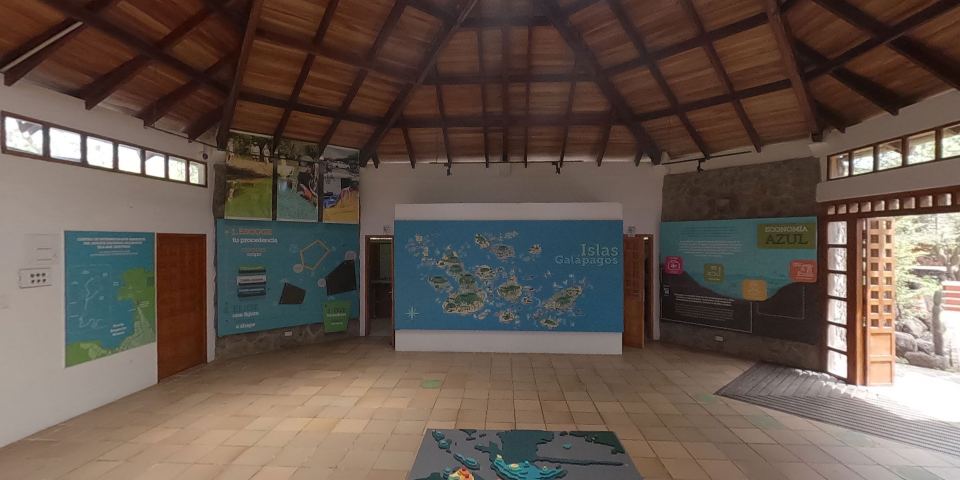
Immersive 360-degree image showing the Cerro Tijeretas Interpretation Center. Points of interest to continue the route and a map of the area can be seen.

Points of interest

TextMap

Information about the islands and the characteristic species that can be found there.
From here you can go to

Back to the list of scenes

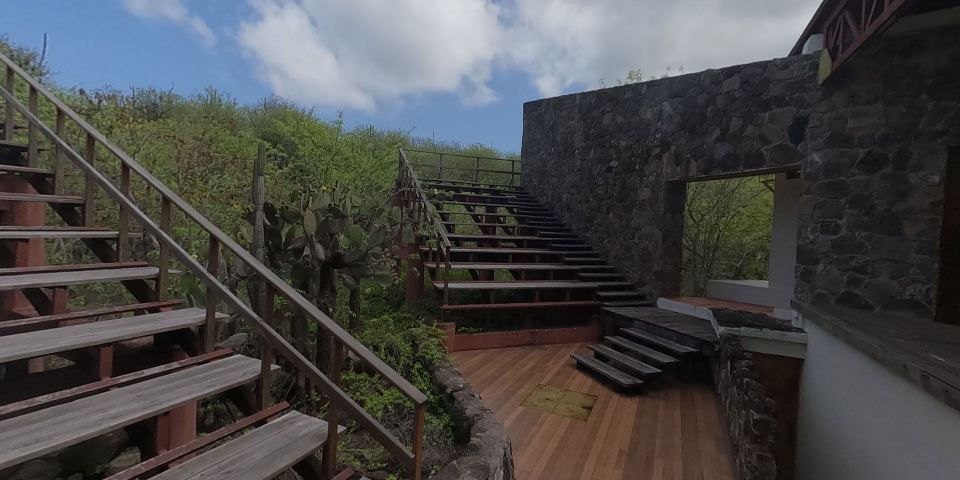
Scene 5Exterior of the Interpretation Center

Immersive 360-degree image showing the exterior of the Interpretation Center. Points of interest to continue the route and information about local plant species can be seen.

Points of interest

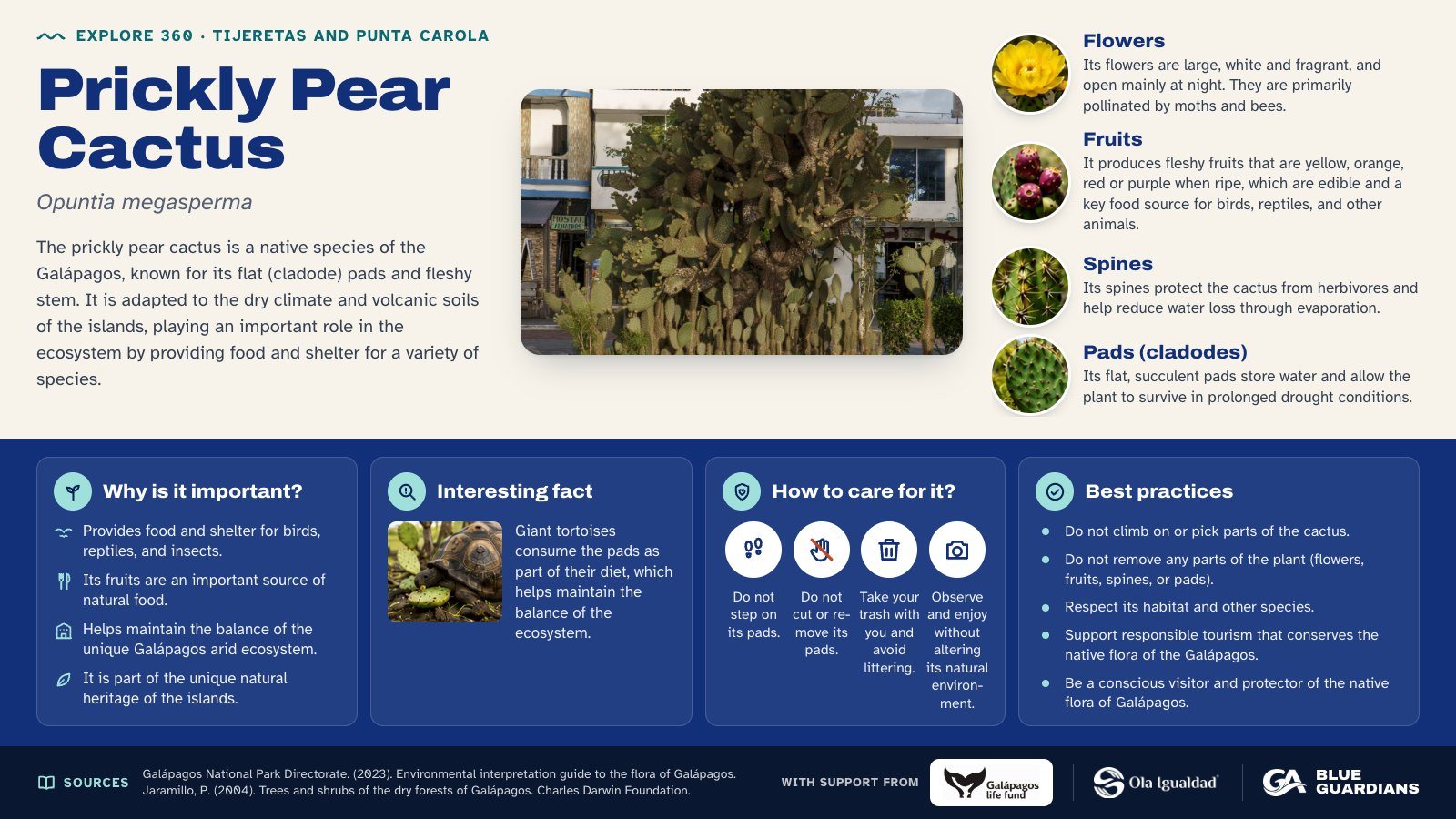
InfographicOpuntia Cactus

Infographic about Prickly Pear Cactus (Opuntia megasperma): flowers, fruits, spines and pads (cladodes). Also covers: why is it important, interesting fact, how to care for it and best practices.
From here you can go to

Back to the list of scenes

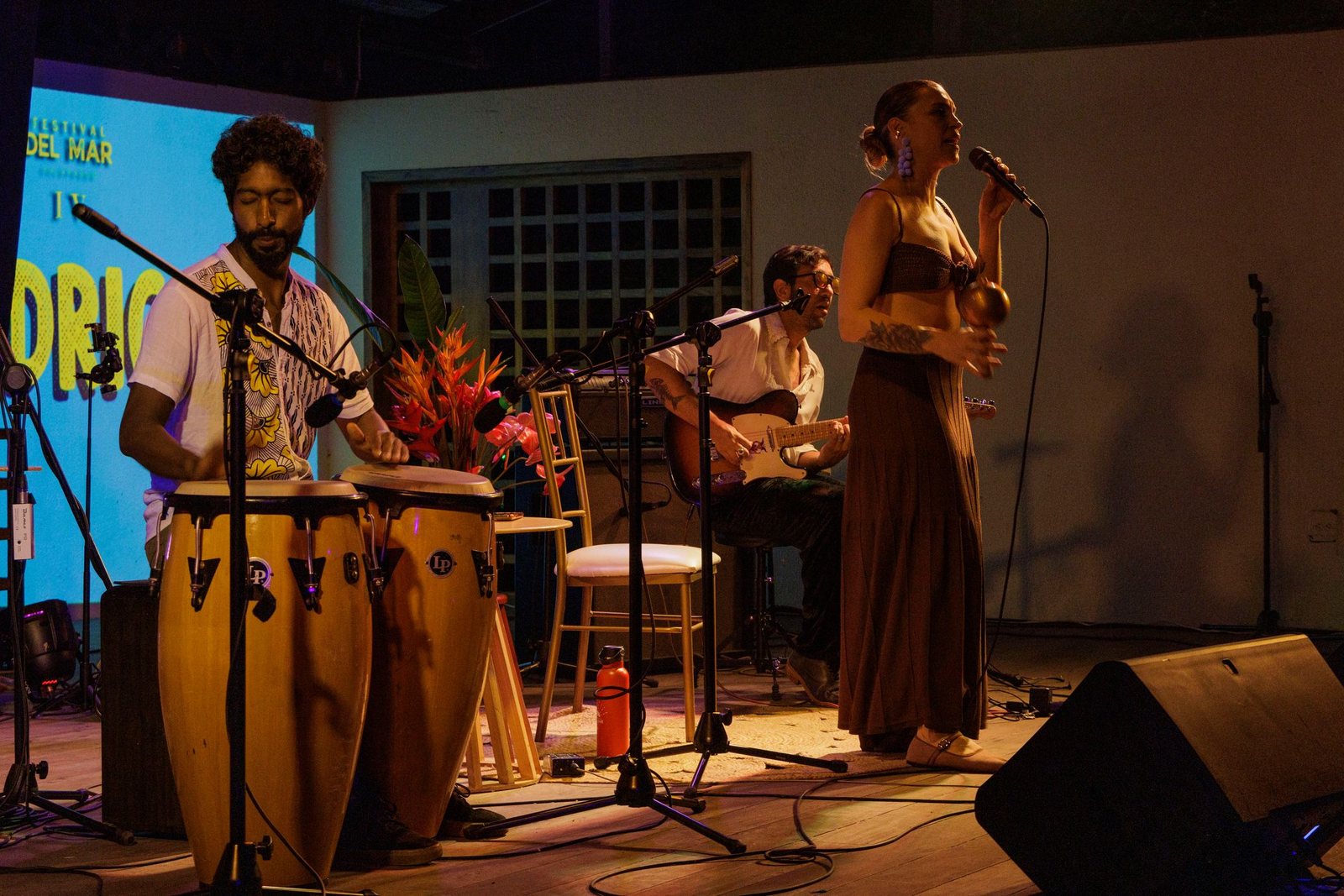
Scene 6Concert and event area at the Interpretation Center

Immersive 360-degree image showing the concert and event area at the Interpretation Center. A point of interest about the Festival of the Sea can be seen.

Points of interest

PhotoFestival Del Mar/Sea Festival

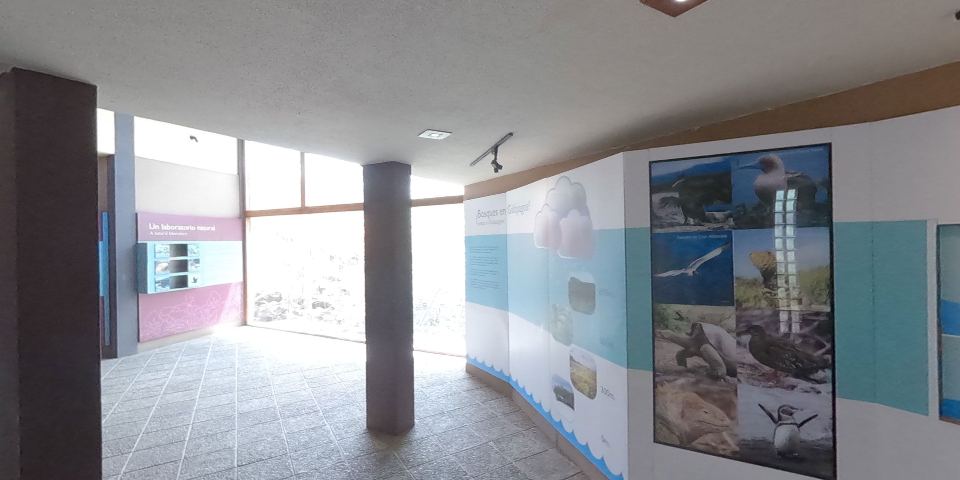
The Galápagos Sea Festival is a unique cultural event that combines art and conservation, promotes social inclusion and gender equality, and offers an unforgettable experience for all who attend.
From here you can go to

Back to the list of scenes

Scene 7Continuing through the Interpretation Center

Immersive 360-degree image continuing through the Interpretation Center. Points of interest to move forward along the route can be seen.

From here you can go to

Back to the list of scenes

Scene 8Continuing through the Interpretation Center

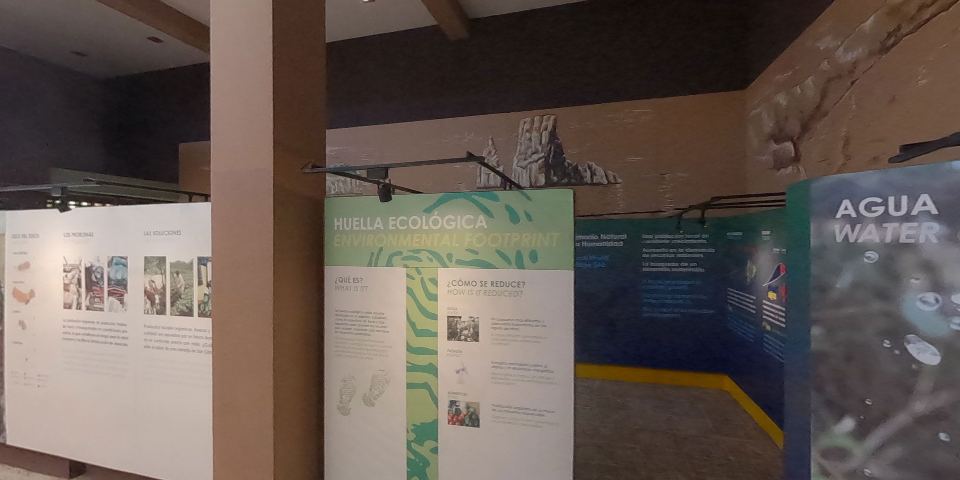
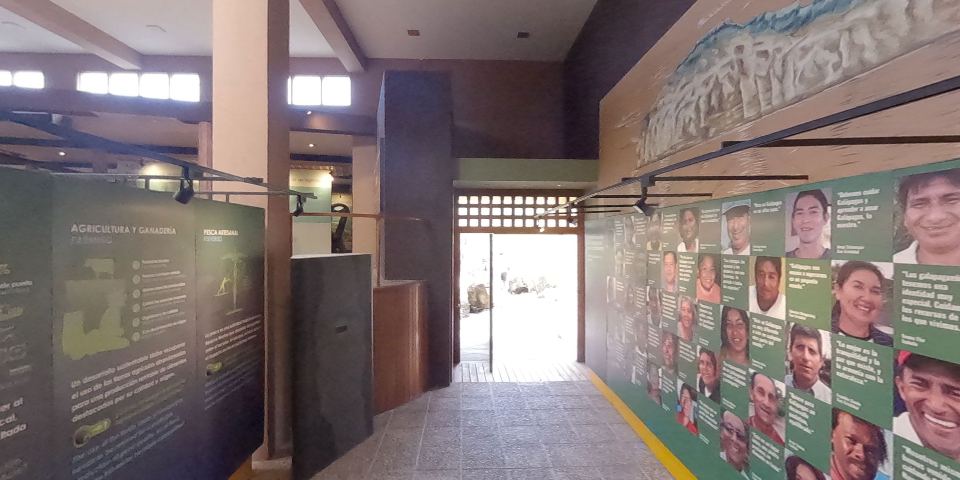
Immersive 360-degree image continuing through the Interpretation Center. Points of interest to move forward along the route can be seen while learning about different characteristics of Galápagos.

From here you can go to

Back to the list of scenes

Scene 9Continuing through the Interpretation Center

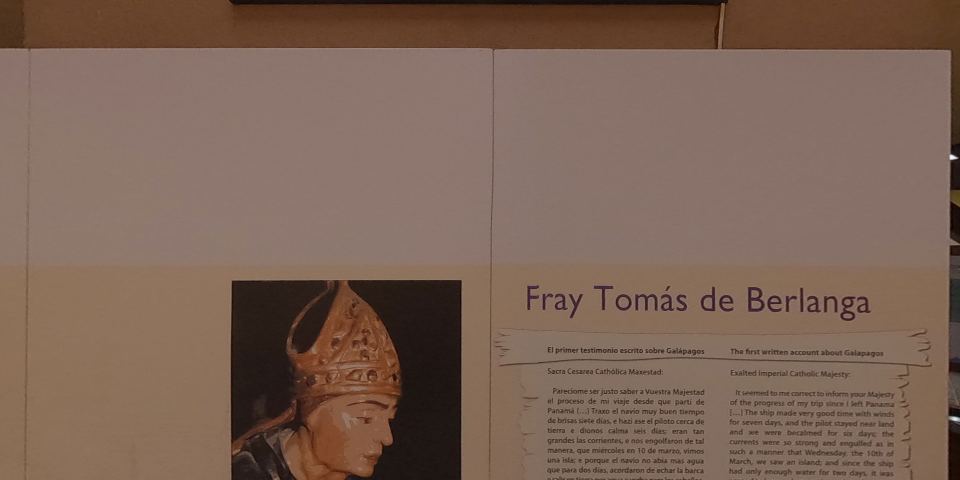
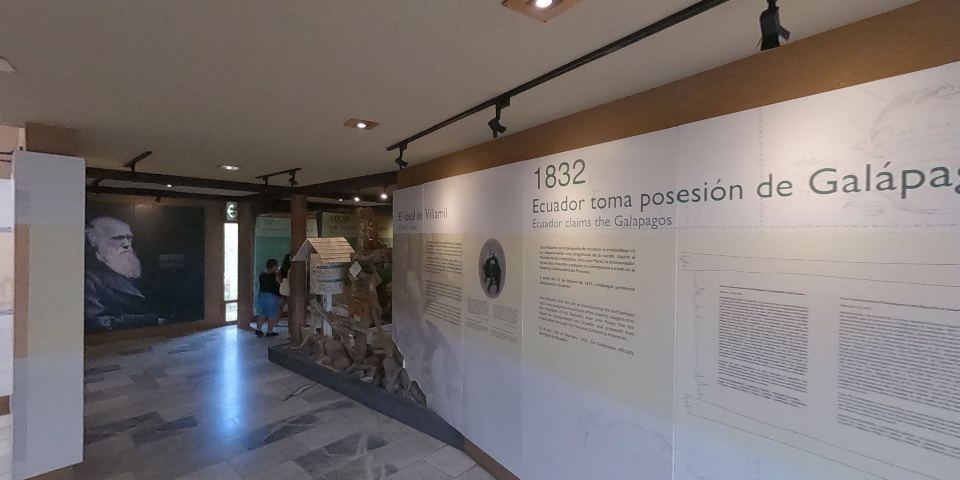
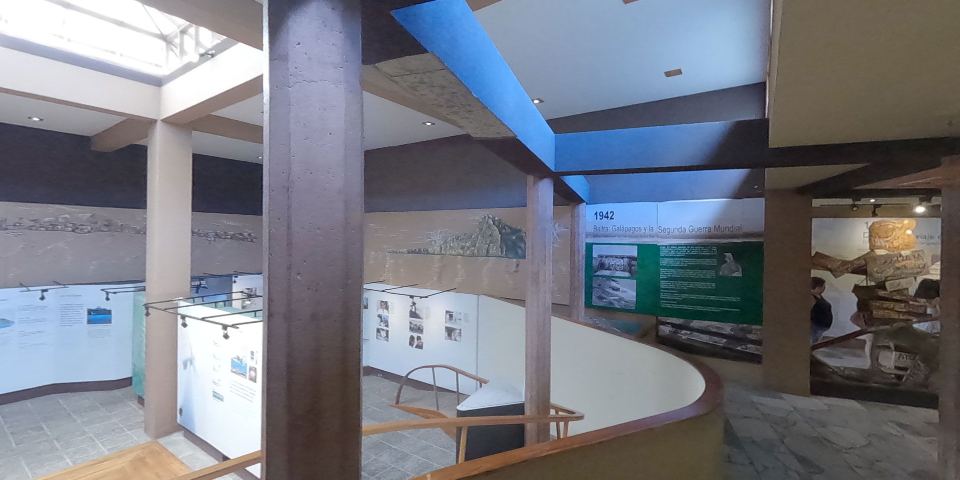
Immersive 360-degree image continuing through the Interpretation Center. Points of interest to move forward along the route can be seen while learning about the discovery of Galápagos.

Points of interest

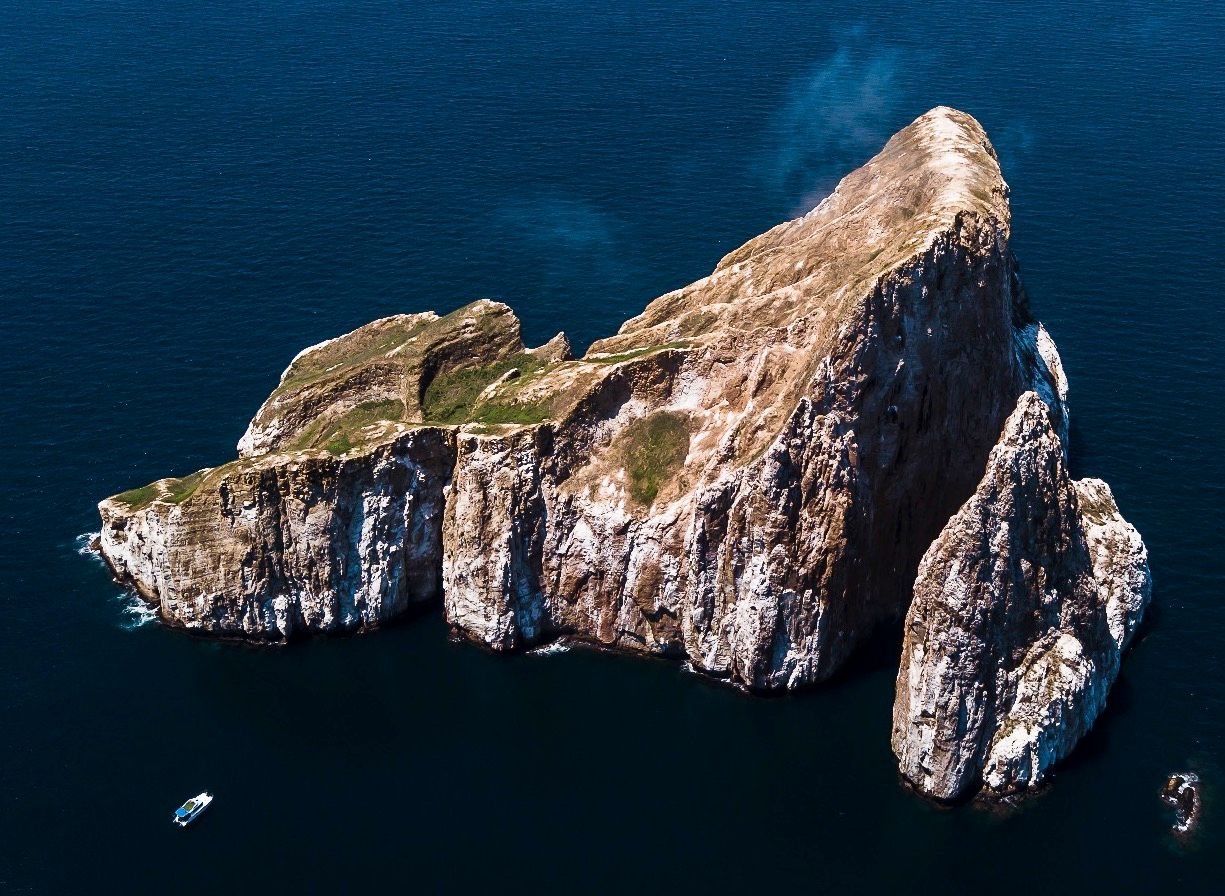
PhotoAerial view

León Dormido (Kicker Rock) is one of the most iconic rock formations in the Galápagos archipelago.
From here you can go to

Back to the list of scenes

Scene 10Continuing through the Interpretation Center

Immersive 360-degree image continuing through the Interpretation Center. Points of interest to move forward along the route can be seen while learning about the claiming of Galápagos.

From here you can go to

Back to the list of scenes

Scene 11Continuing through the Interpretation Center

Immersive 360-degree image continuing through the Interpretation Center. Points of interest to move forward along the route can be seen while learning about the history of Galápagos in the 20th century.

From here you can go to

Back to the list of scenes

Scene 12Continuing through the Interpretation Center

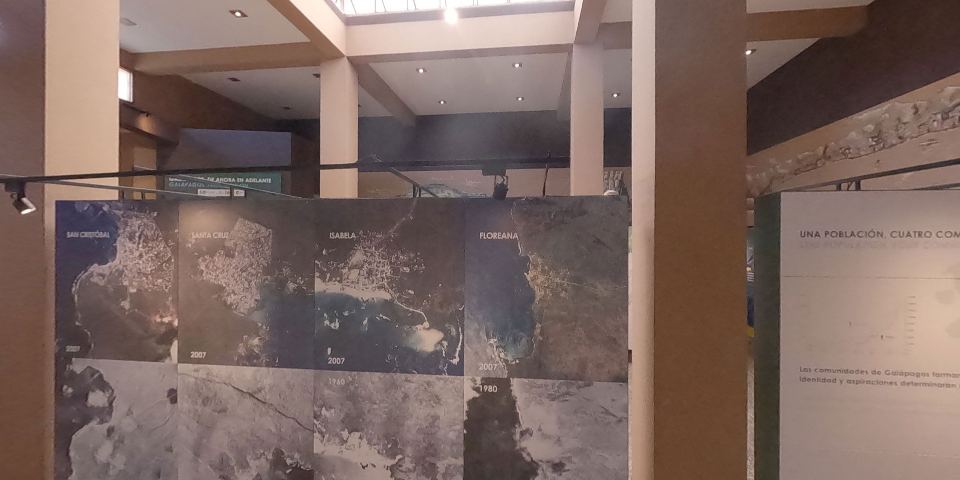
Immersive 360-degree image continuing through the Interpretation Center. Points of interest to move forward along the route can be seen while learning about the population of Galápagos.

From here you can go to

Back to the list of scenes

Scene 13Continuing through the Interpretation Center

Immersive 360-degree image continuing through the Interpretation Center. Points of interest to move forward along the route can be seen while learning about ecological issues in Galápagos.

From here you can go to

Back to the list of scenes

Scene 14Continuing through the Interpretation Center

Immersive 360-degree image continuing through the Interpretation Center. Points of interest to move forward along the route can be seen while learning about tourism in Galápagos.

Points of interest

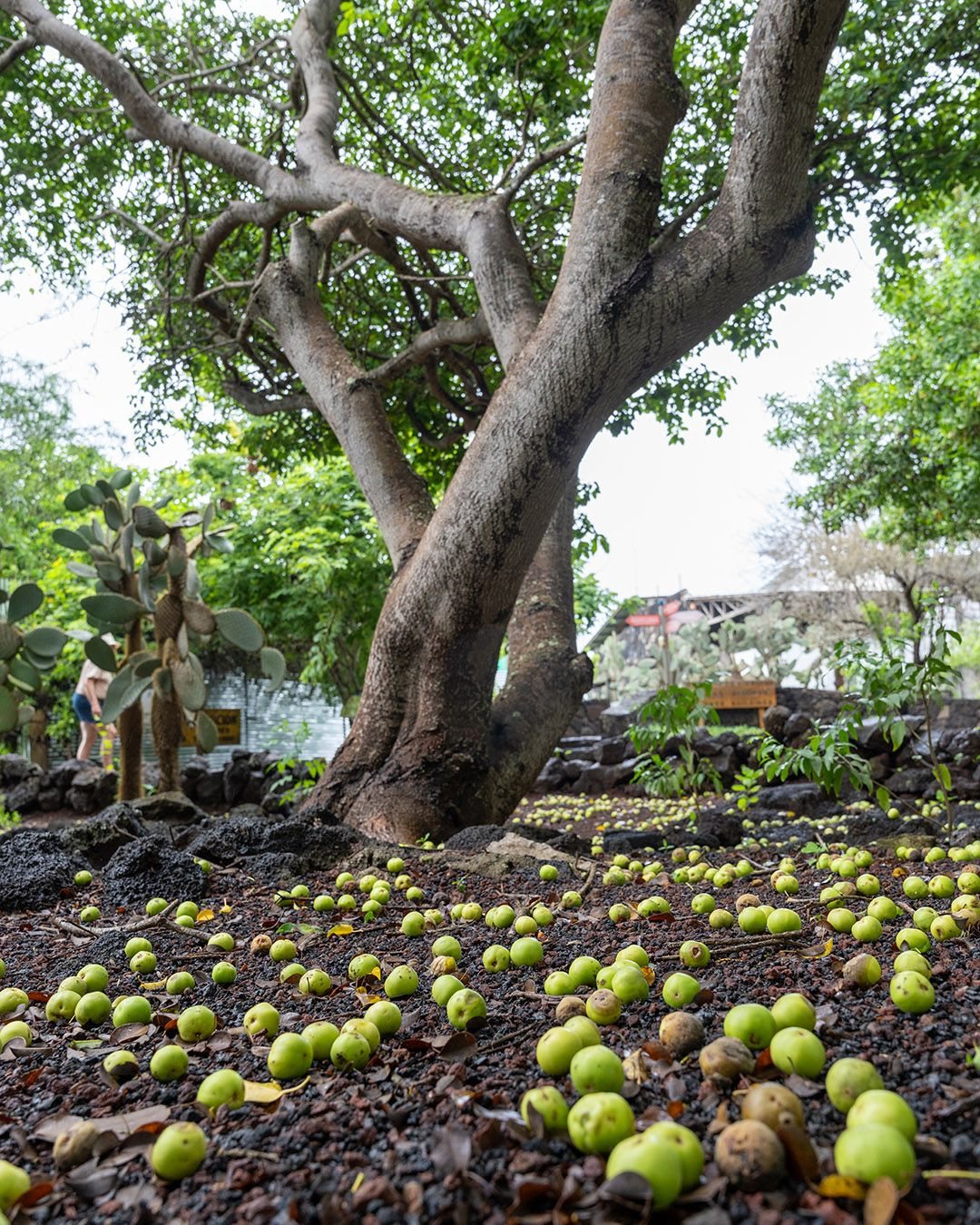
PhotoManchineel tree

The manzanillo (poison apple) is a native coastal tree in Galápagos, known for its milky sap and highly toxic fruit. It is essential for preventing erosion, and harmless only to giant tortoises.
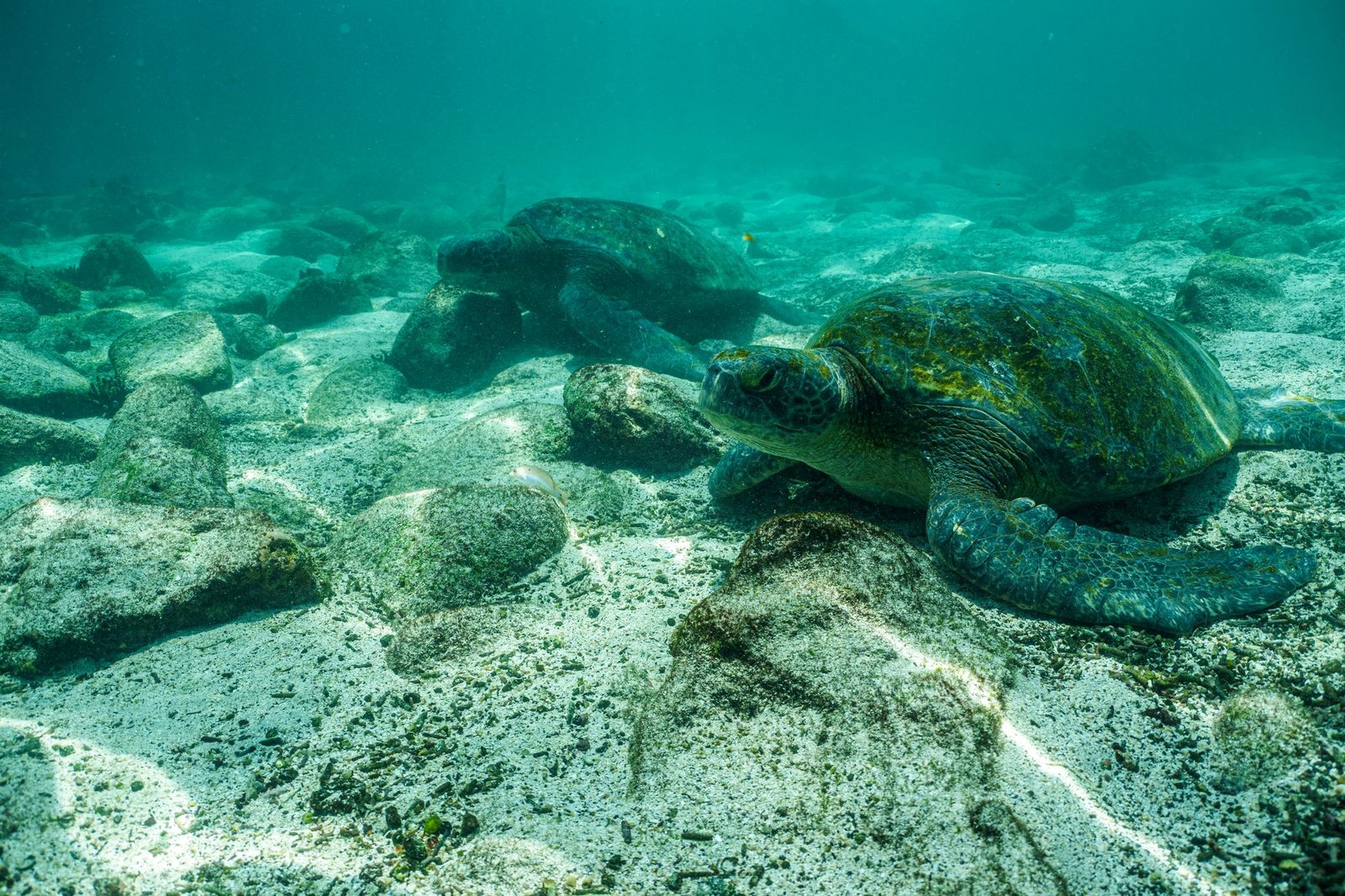
PhotoTortuga marina

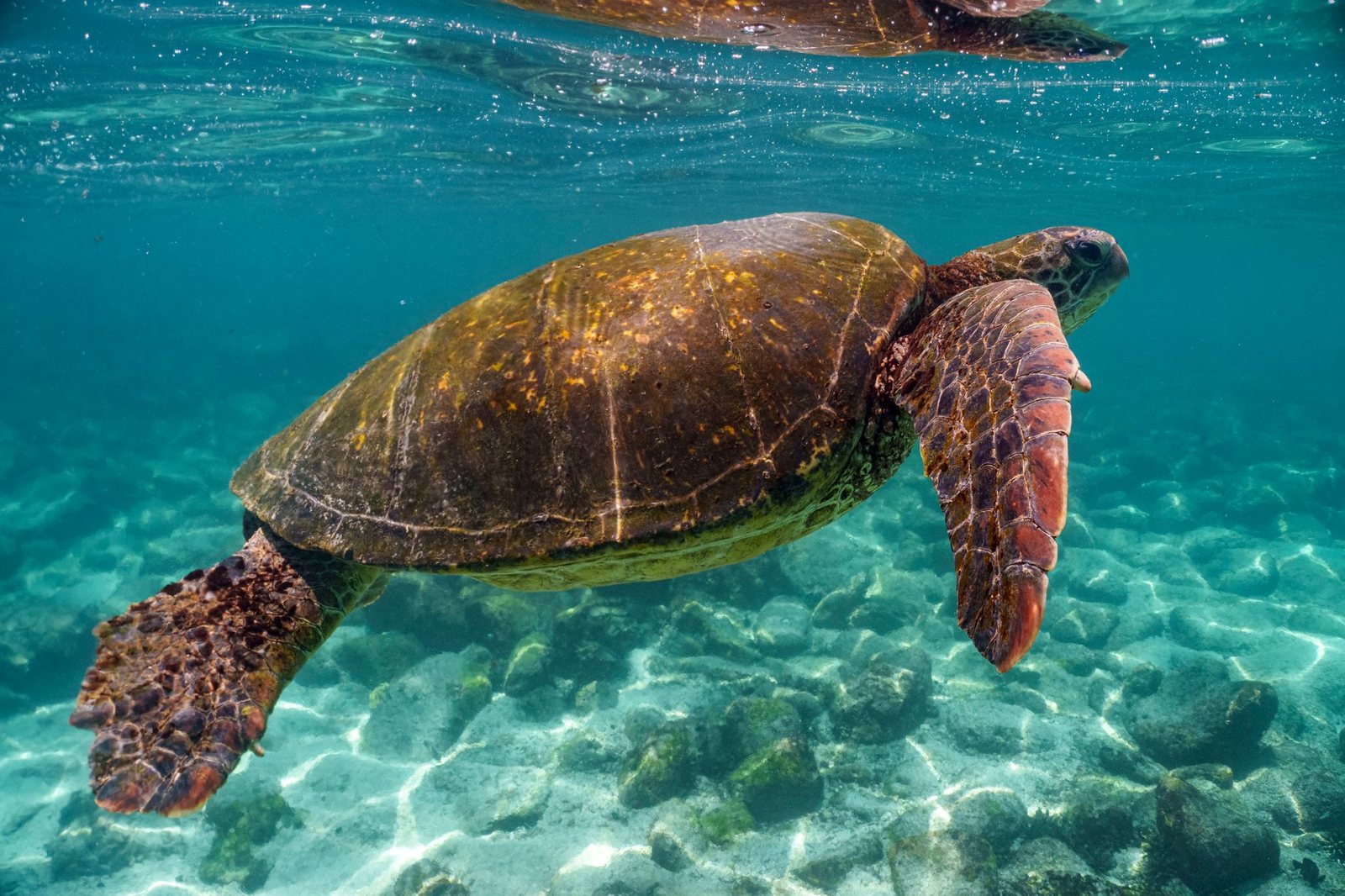
Sea turtles in Galápagos, mainly the green turtle, are key species that nest and live in the archipelago, protected for their high ecological and tourism value.
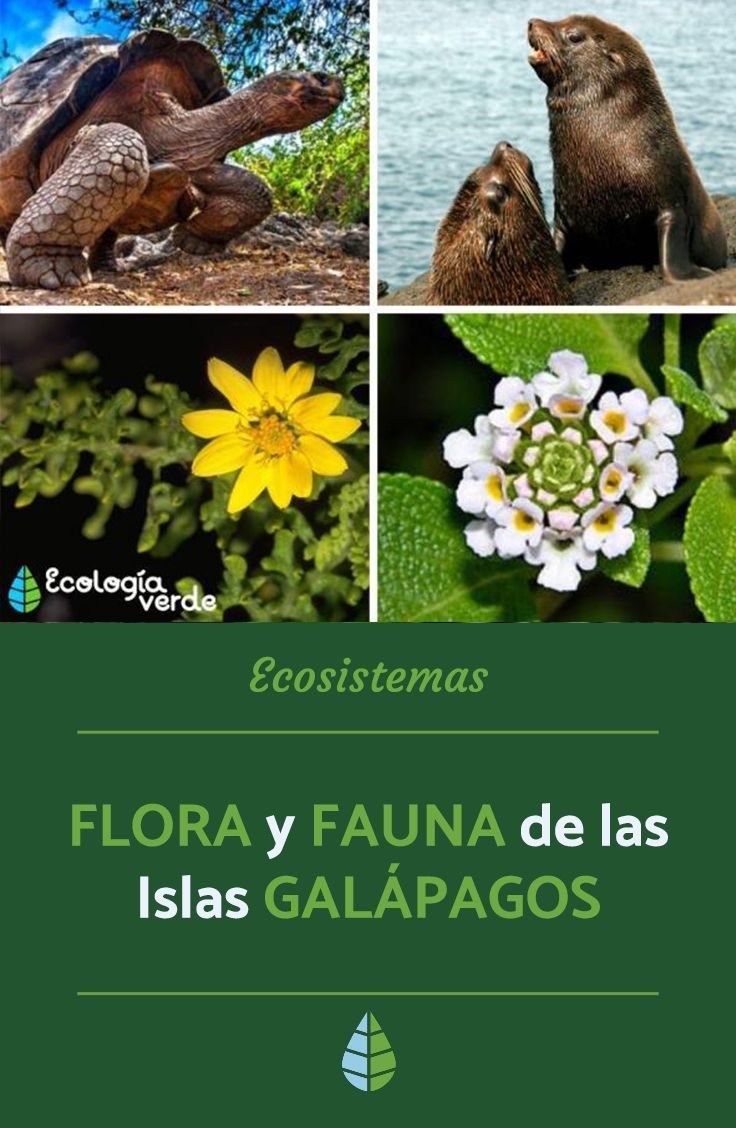
InfographicEndemic trees

Endemic trees

PhotoTortuga marina

Sea turtles in Galápagos, mainly the green turtle, are key species that nest and live in the archipelago, protected for their high ecological and tourism value.
From here you can go to

Back to the list of scenes

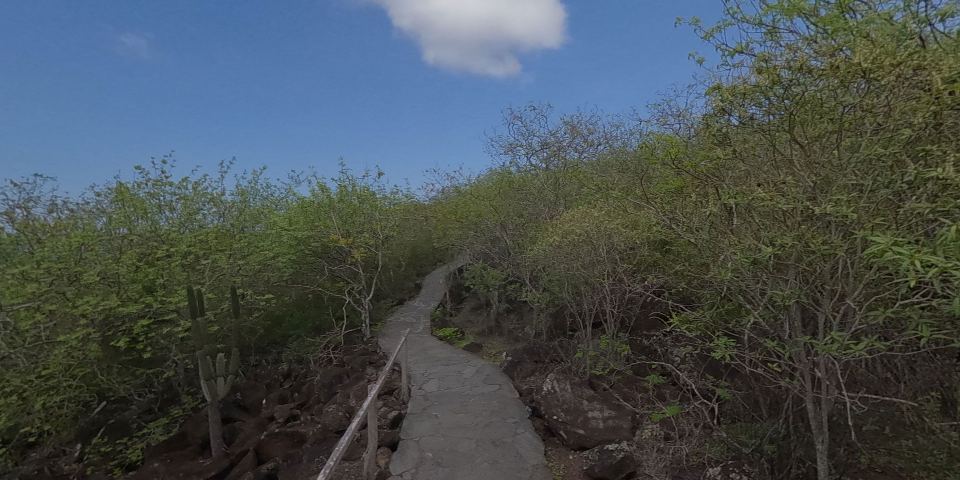
Scene 15Route toward the Cerro Tijeretas viewpoint

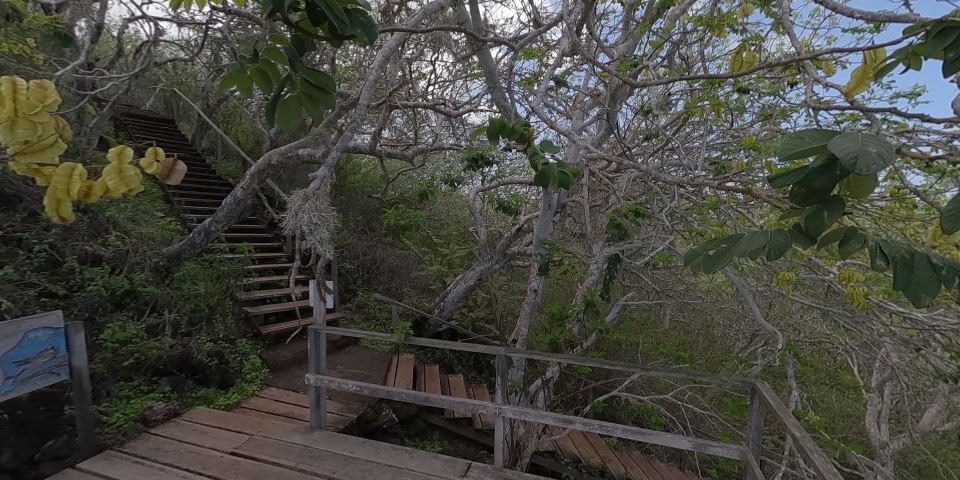
Immersive 360-degree image showing the route toward the Cerro Tijeretas viewpoint. Points of interest about local fauna can be seen.

Points of interest

TextSan Cristóbal

San Cristóbal, whose capital is Puerto Baquerizo Moreno, is the fifth largest and easternmost island in Galápagos.
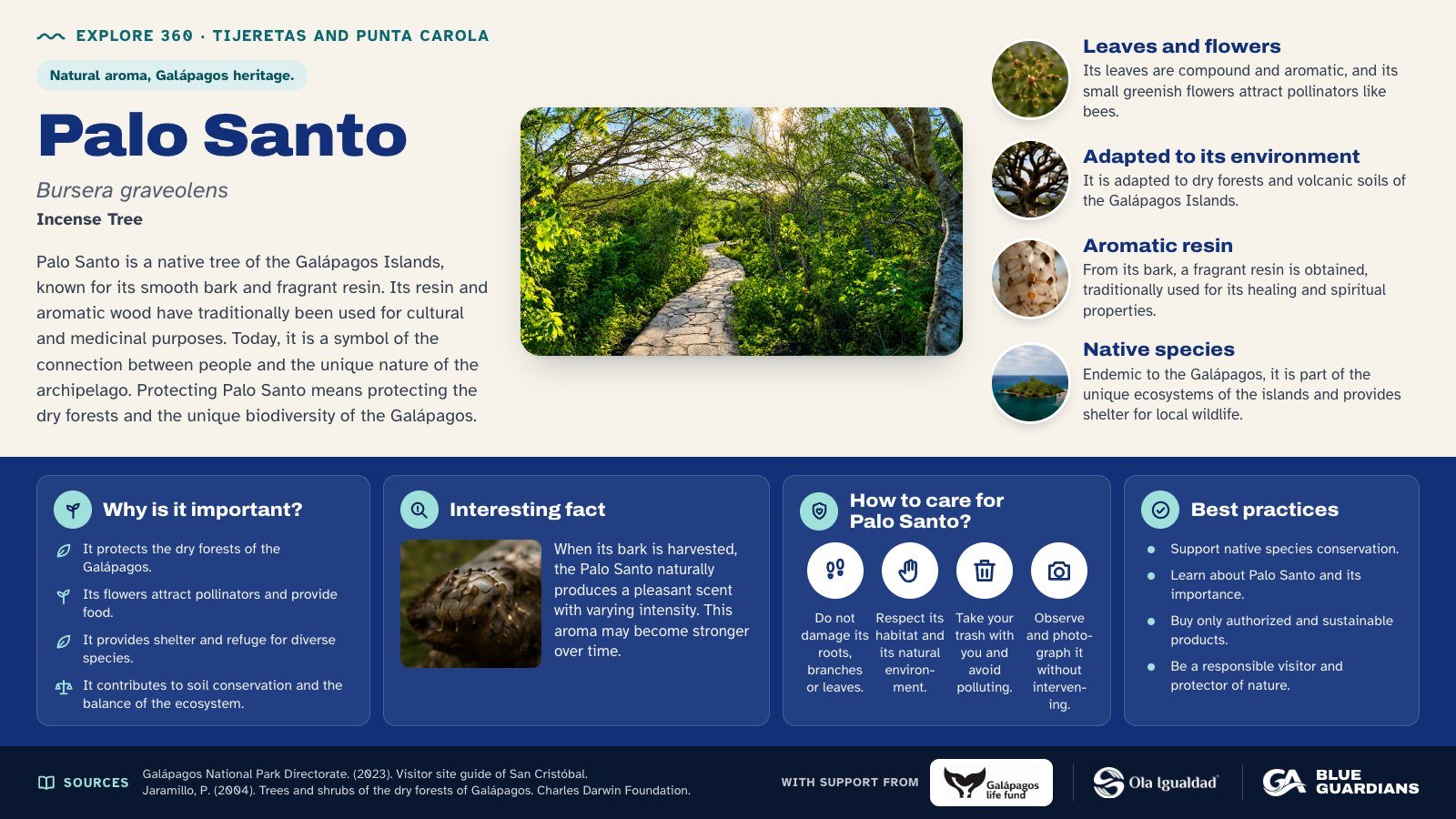
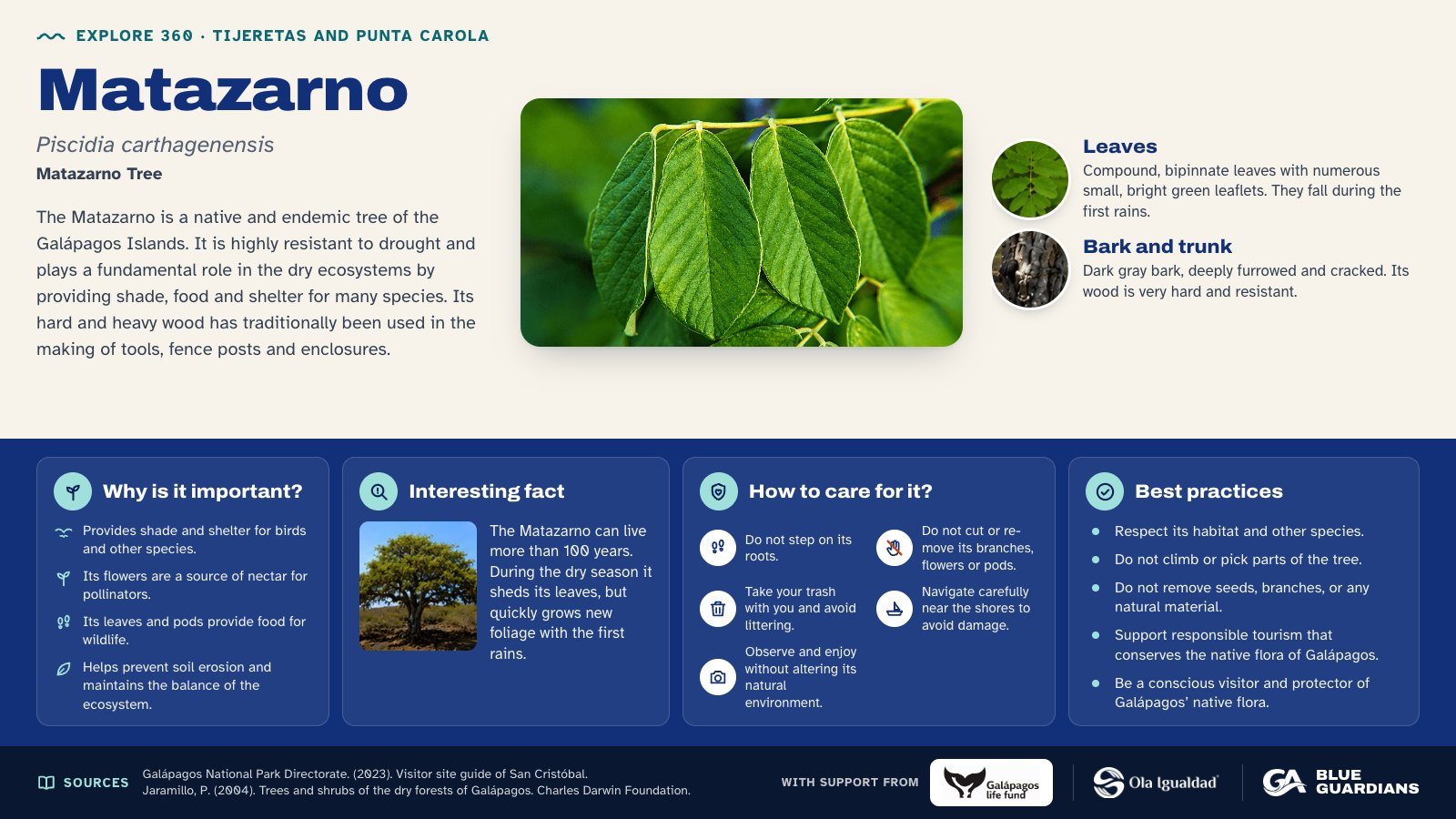
InfographicPalo Santo

Infographic about Palo Santo (Bursera graveolens): leaves and flowers, adapted to its environment, aromatic resin and native species. Also covers: why is it important, interesting fact, how to care for palo santo and best practices.
From here you can go to

Back to the list of scenes

Scene 16Route toward the Cerro Tijeretas viewpoint

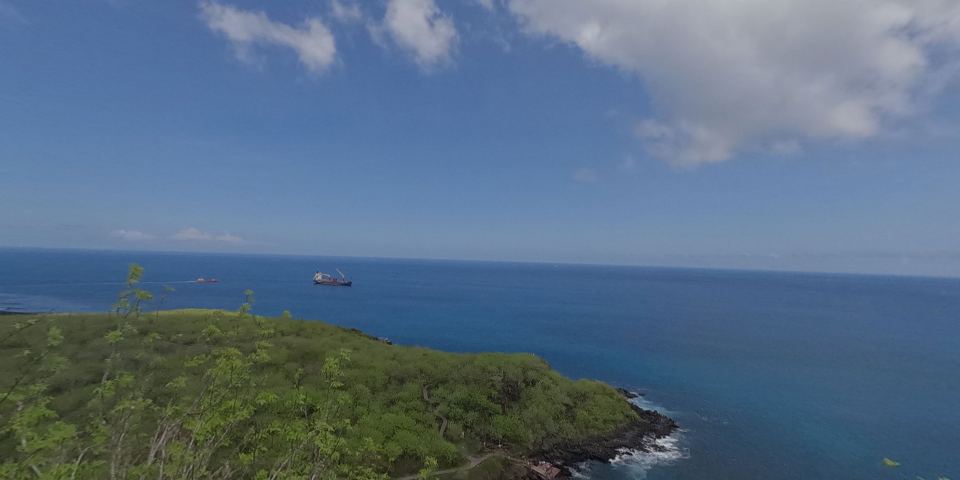
Immersive 360-degree image showing the route toward the Cerro Tijeretas viewpoint. Points of interest about local flora can be seen.

Points of interest

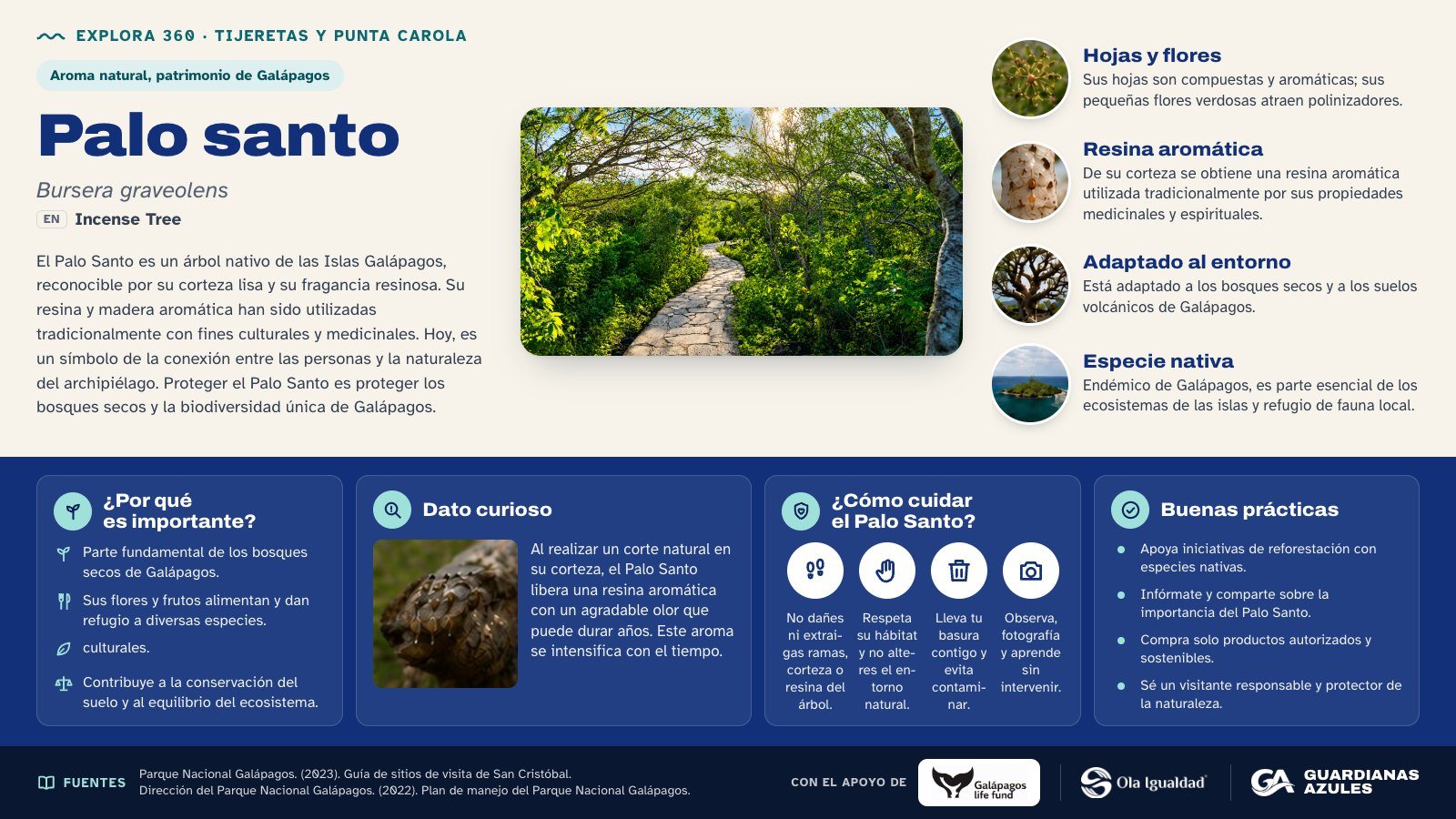
InfographicMatazarno

Infographic about Matazarno (Piscidia carthagenensis): leaves and bark and trunk. Also covers: why is it important, interesting fact, how to care for it and best practices.
From here you can go to

Back to the list of scenes

Scene 17View from the Cerro Tijeretas viewpoint

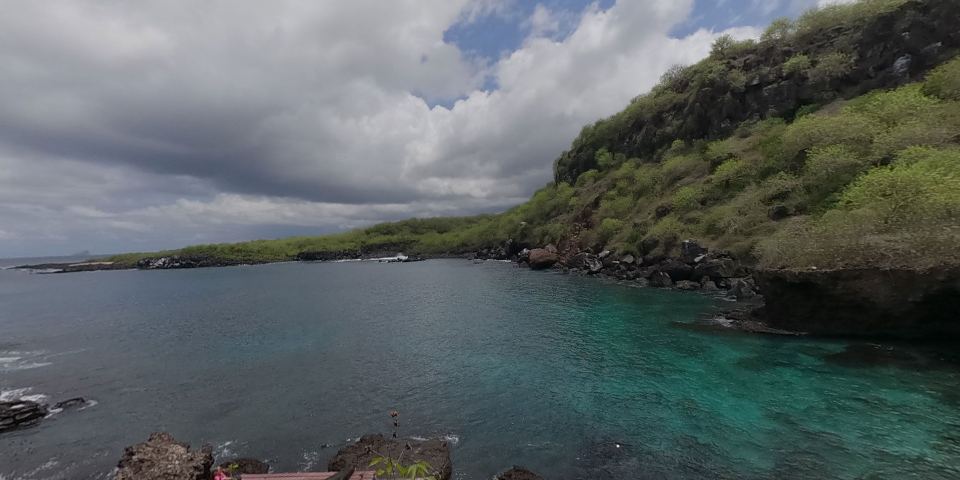
Immersive 360-degree image showing the view from the Cerro Tijeretas viewpoint. Points of interest about the importance of the site and its characteristics can be seen.

Points of interest

InfographicPalo santo

Infografía sobre Palo Santo (Bursera graveolens): hojas y flores, adaptado al entorno, resina aromática y especie nativa. Incluye por qué es importante, dato curioso, cómo cuidar el palo santo y buenas prácticas.
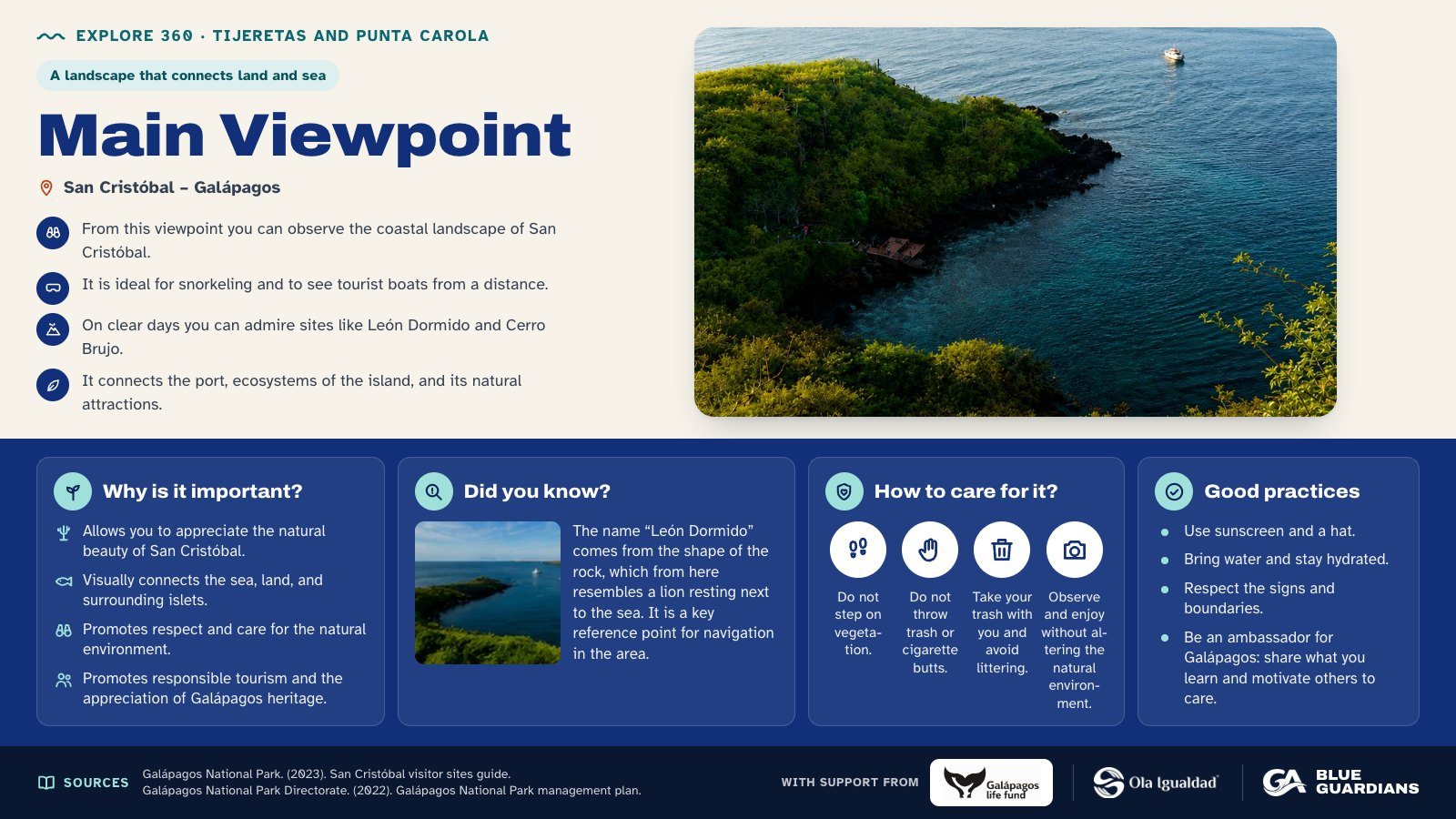
InfographicMain lookout

Infographic about Main Viewpoint. From this viewpoint you can observe the coastal landscape of San Cristóbal. Also covers: why is it important, did you know, how to care for it and good practices.
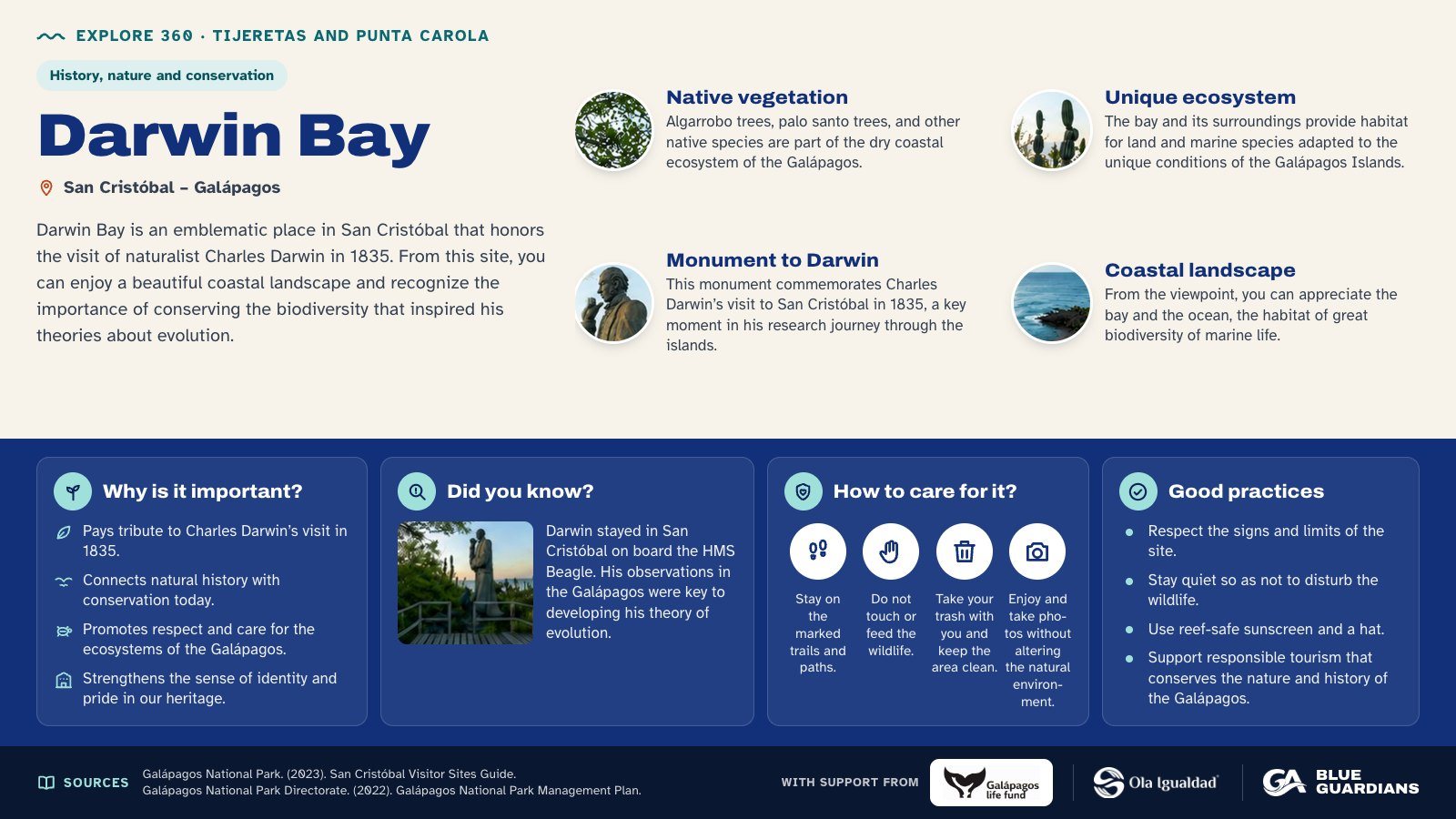
InfographicDarwin Bay

Infographic about Darwin Bay: native vegetation, unique ecosystem, monument to Darwin and coastal landscape. Also covers: why is it important, did you know, how to care for it and good practices.
From here you can go to

Back to the list of scenes

Scene 18Pier located at Cerro Tijeretas

Immersive 360-degree image showing the pier located at Cerro Tijeretas. Points of interest describing fish species that inhabit the area can be seen.

Points of interest

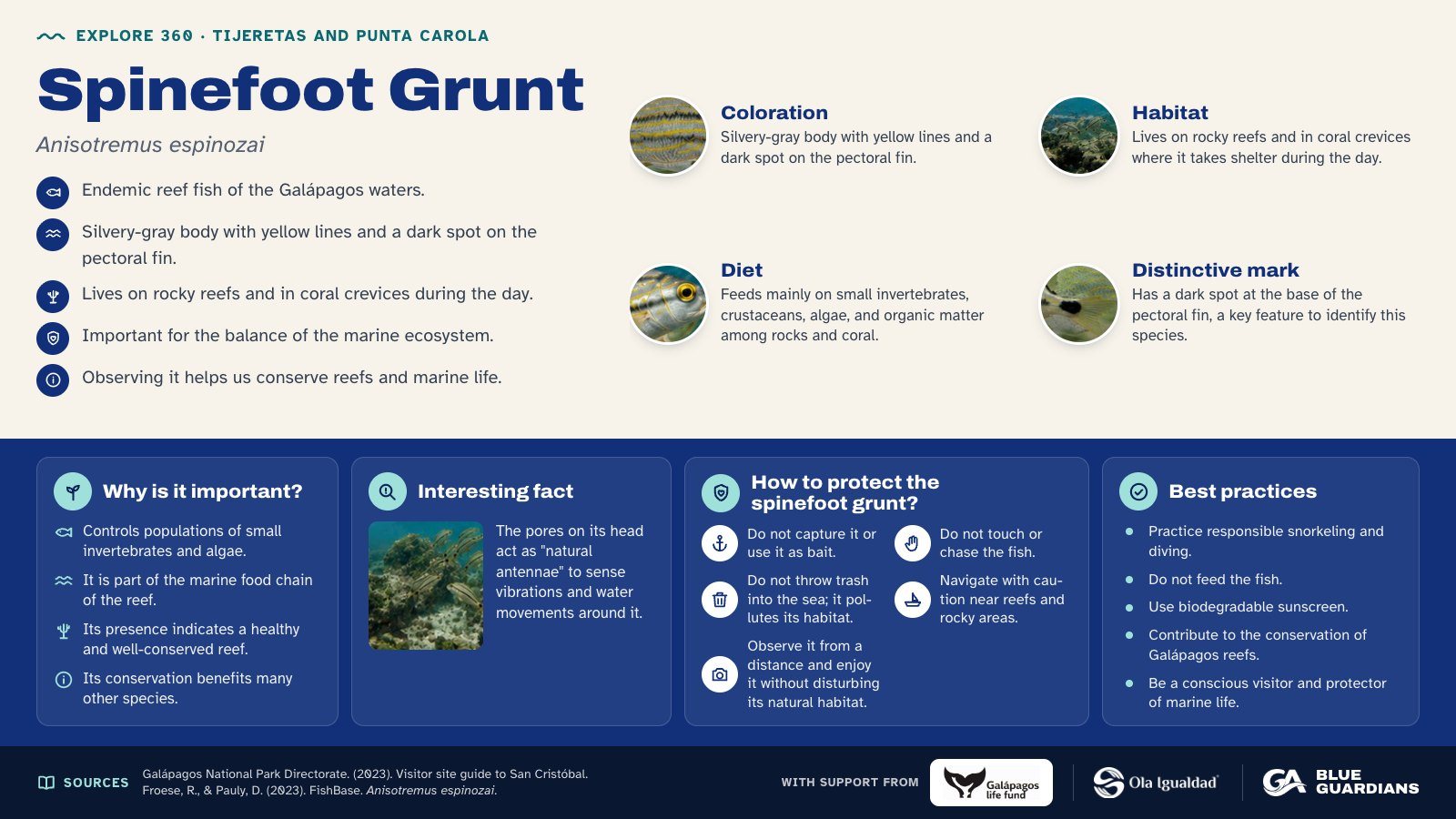
InfographicSpinefoot fish

Infographic about Spinefoot Grunt (Anisotremus espinozai): coloration, habitat, diet and distinctive mark. Also covers: why is it important, interesting fact, how to protect the spinefoot grunt and best practices.
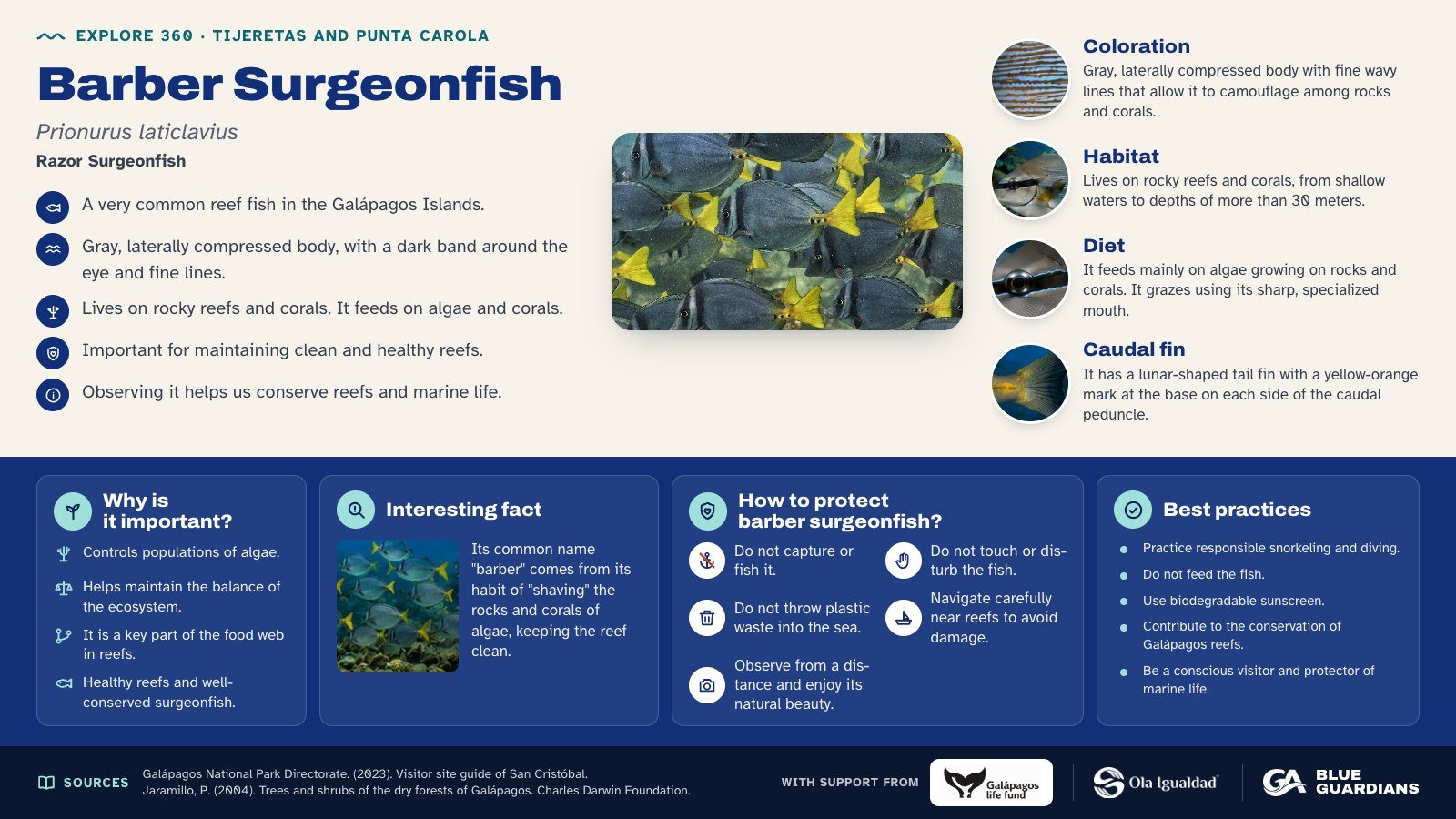
InfographicBarberfish

Infographic about Barber Surgeonfish (Prionurus laticlavius): coloration, habitat, diet and caudal fin. Also covers: why is it important, interesting fact, how to protect barber surgeonfish and best practices.
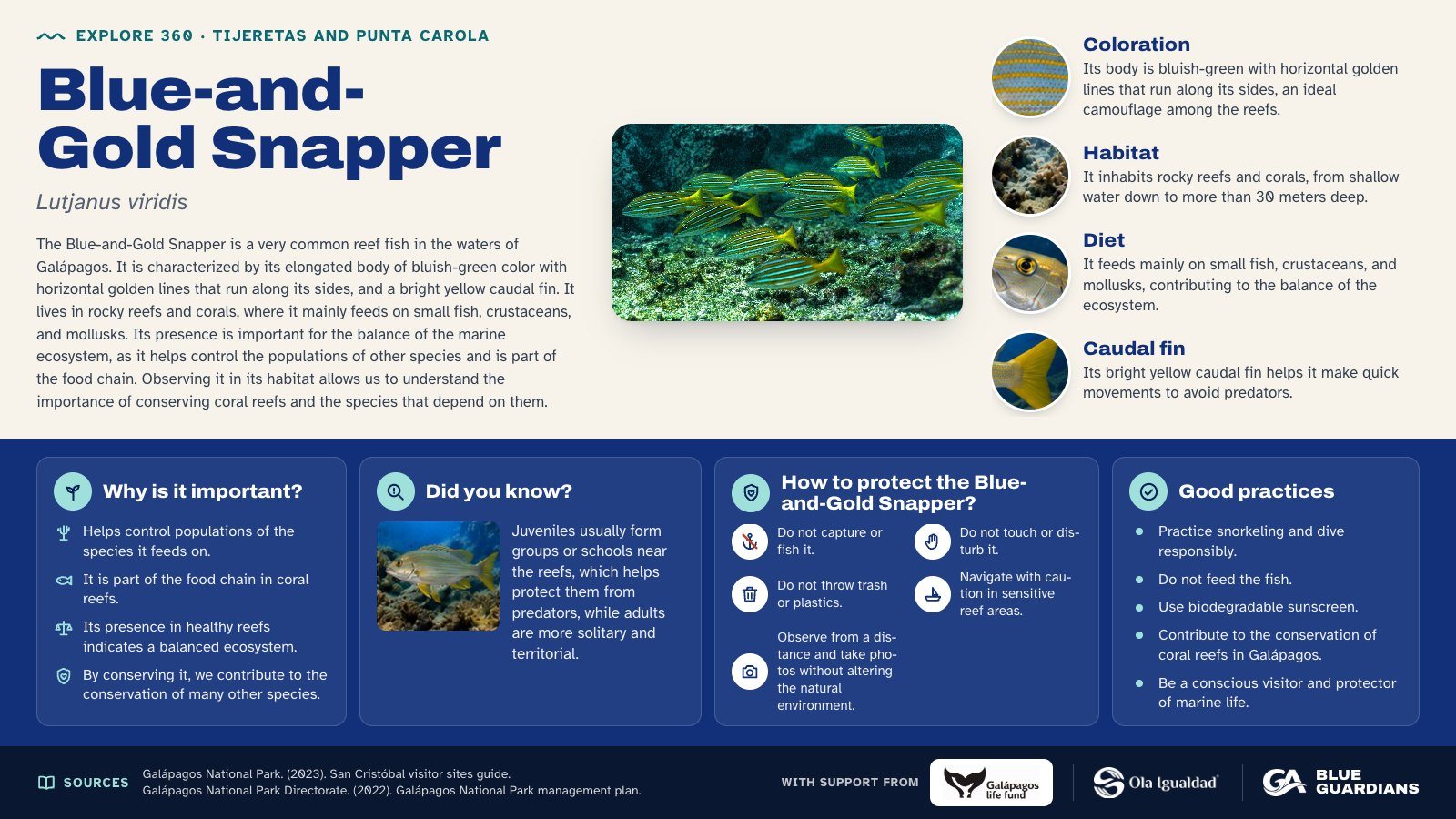
InfographicGolden-tailed snapper

Infographic about Blue-and-Gold Snapper (Lutjanus viridis): coloration, habitat, diet and caudal fin. Also covers: why is it important, did you know, how to protect the blue-and-gold snapper and good practices.
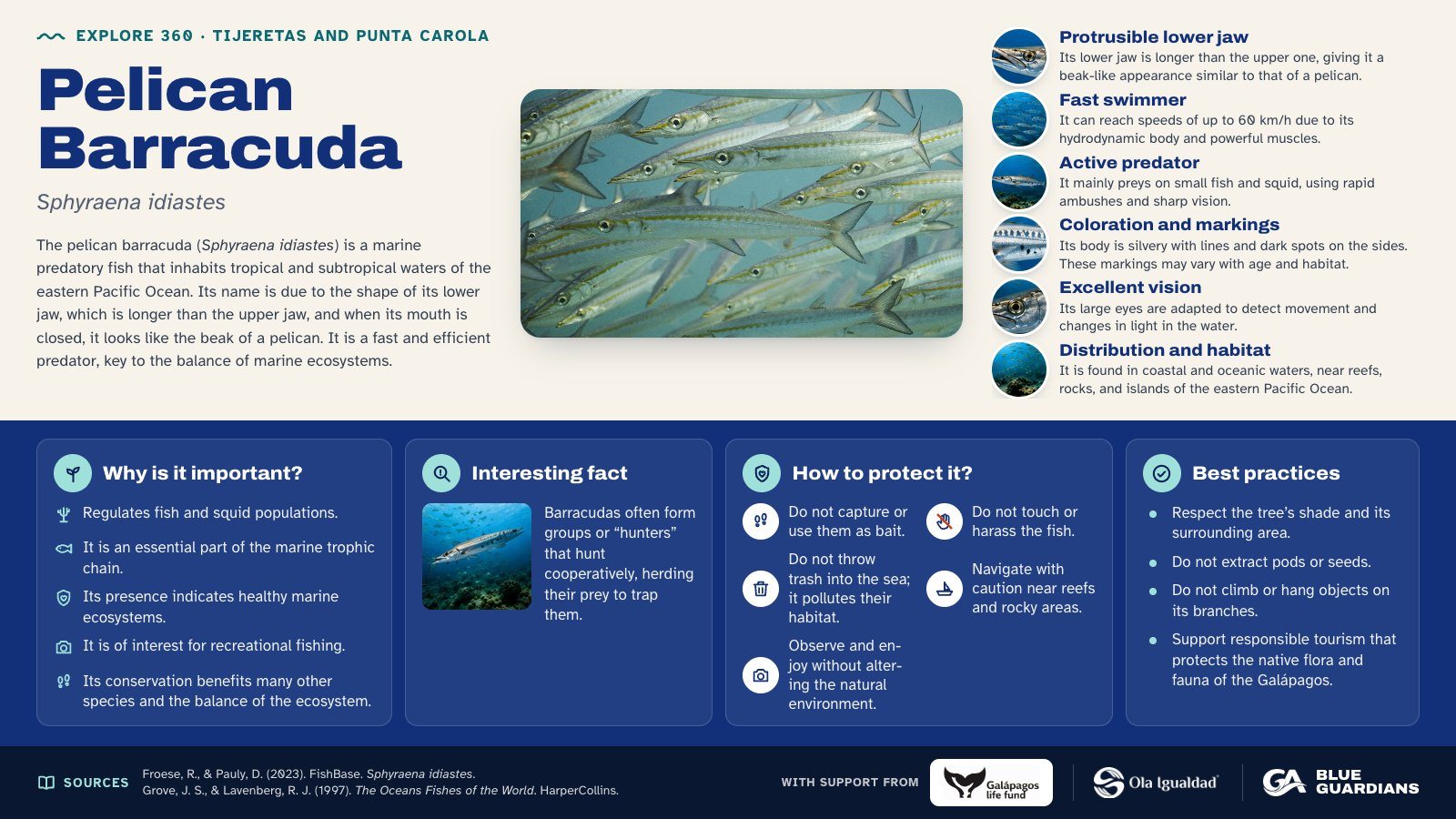
InfographicPelican barracuda

Infographic about Pelican Barracuda (Sphyraena idiastes): protrusible lower jaw, fast swimmer, active predator, coloration and markings, excellent vision, distribution and habitat and where is it found?. Also covers: why is it important, interesting fact, how to protect it and best practices.
From here you can go to

Back to the list of scenes

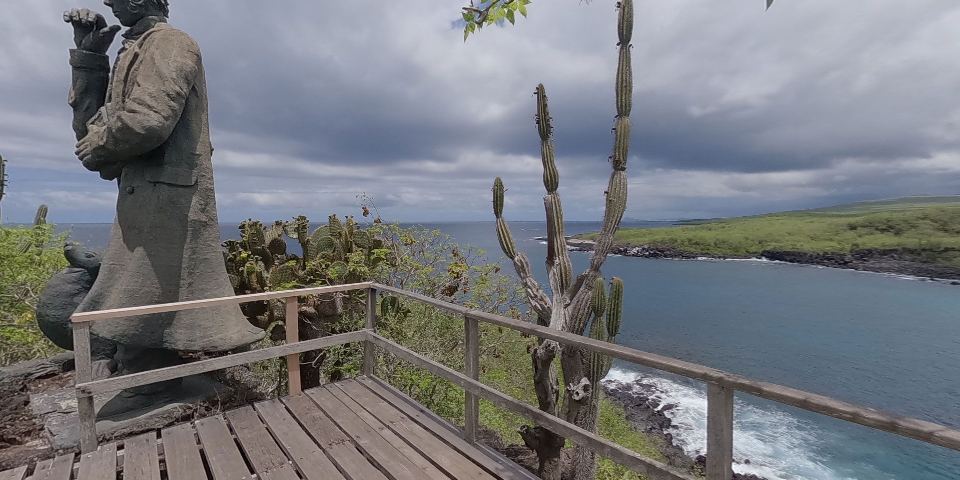
Scene 19Charles Darwin sculpture located at Cerro Tijeretas

Immersive 360-degree image showing the Charles Darwin sculpture located at Cerro Tijeretas. Points of interest describing the importance of this monument can be seen.

Points of interest

TextCharles Darwin Sculpture

Charles Darwin arrived at the Galápagos Islands in 1835, first sighting San Cristóbal — then known as Chatham Island.
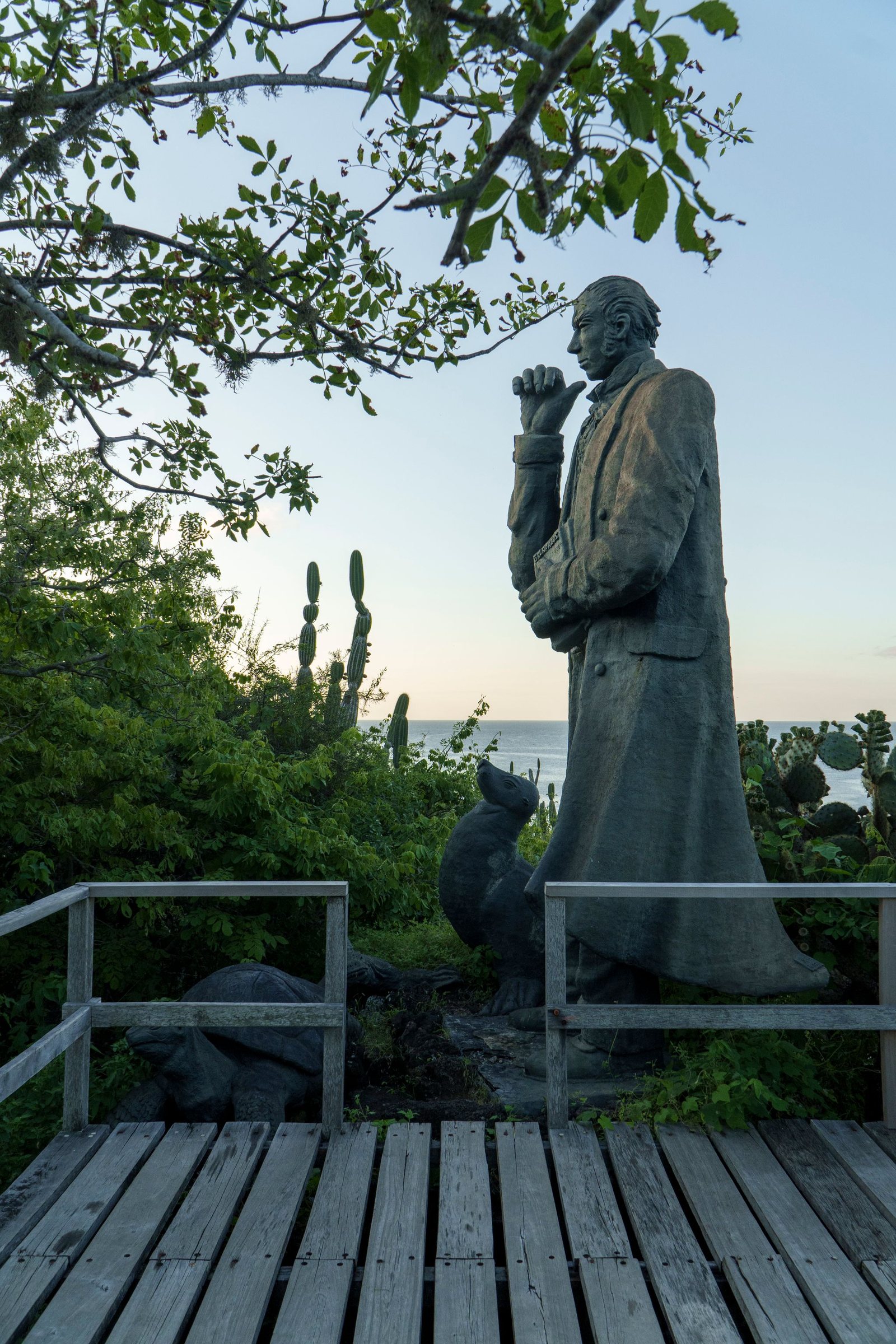
PhotoCharles Darwin Sculpture

He was struck by the contrast between black lava and coral beaches. He observed giant tortoises and birds, noting specific differences between islands.
From here you can go to

Back to the list of scenes

Scene 20Cerro Tijeretas route

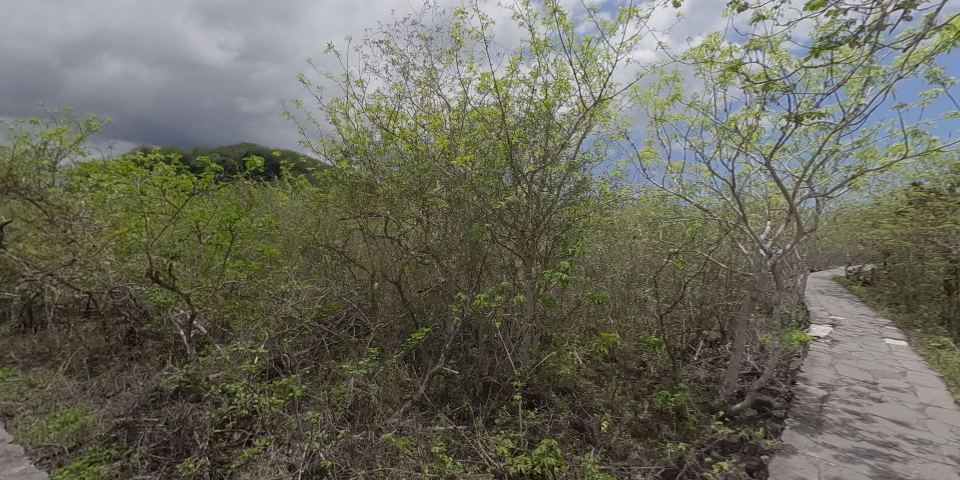
Immersive 360-degree image showing the Cerro Tijeretas route. Access points to Tijeretas Canyon or Punta Carola Beach can be seen.

From here you can go to

Back to the list of scenes

Scene 21View from the secondary viewpoint at Cerro Tijeretas

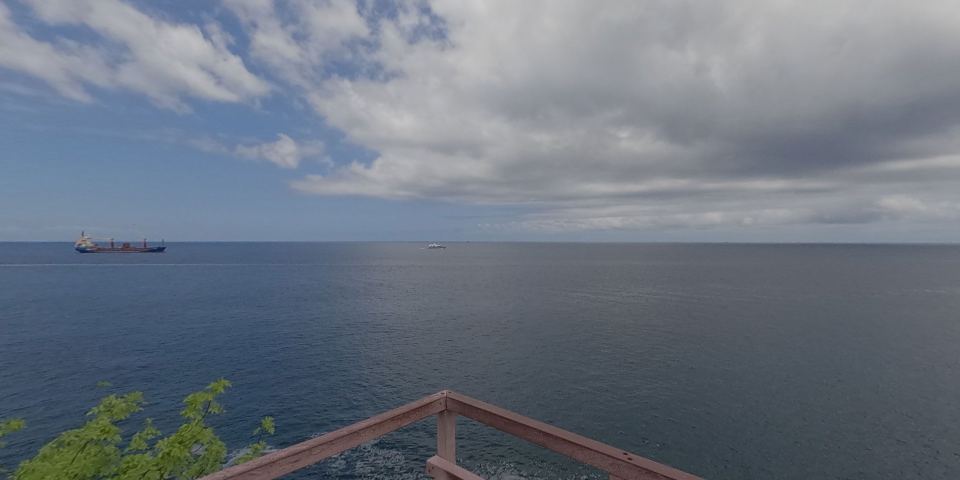
Immersive 360-degree image showing the view from the secondary viewpoint at Cerro Tijeretas. Points of interest about cargo and tourist maritime transportation can be seen.

Points of interest

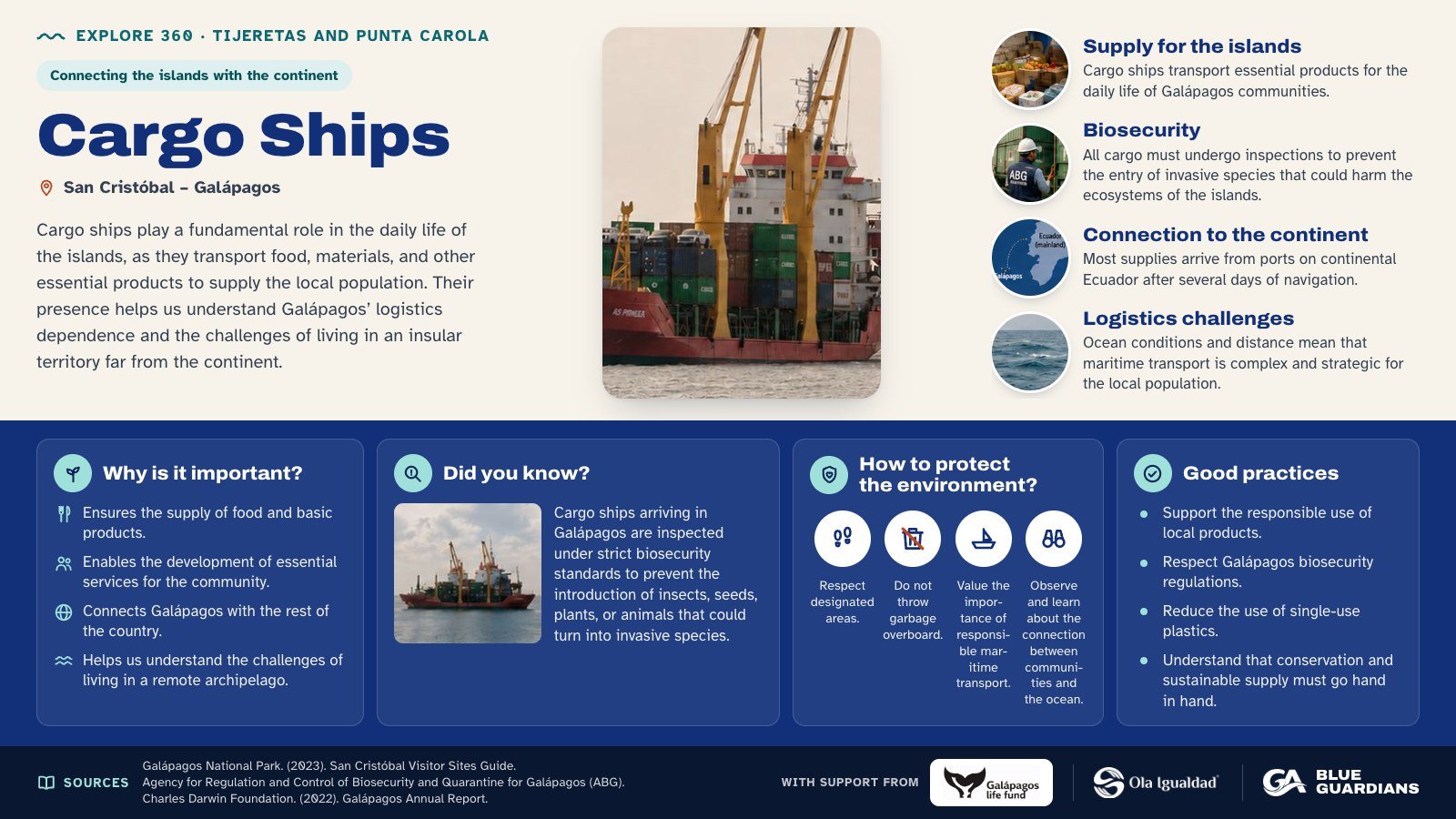
InfographicCargo ships

Infographic about Cargo Ships: supply for the islands, biosecurity, connection to the continent and logistics challenges. Also covers: why is it important, did you know, how to protect the environment and good practices.
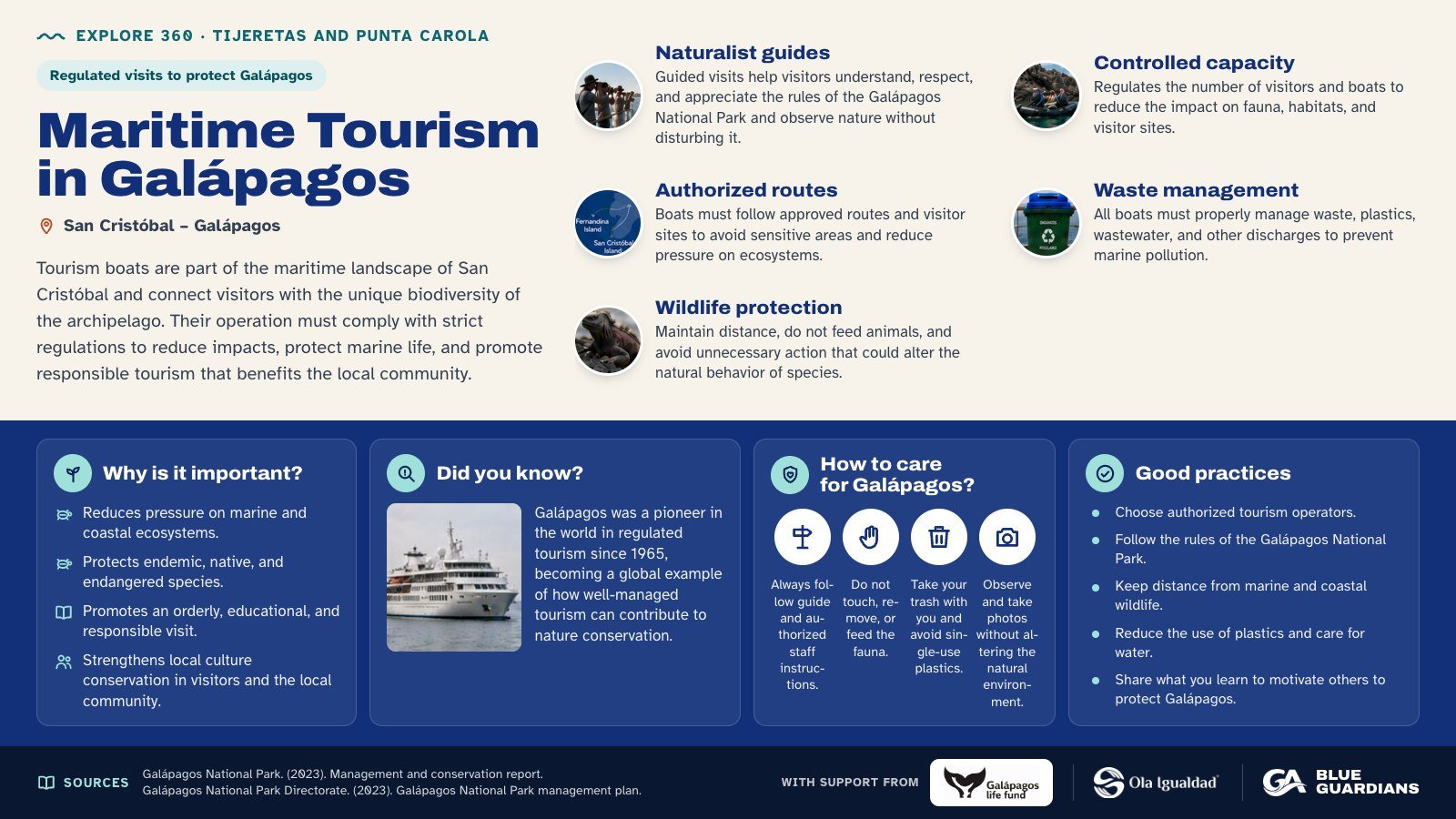
InfographicMaritime tourism

Infographic about Maritime Tourism in Galápagos: naturalist guides, controlled capacity, authorized routes, waste management and wildlife protection. Also covers: why is it important, did you know, how to care for galápagos and good practices.
From here you can go to

Back to the list of scenes

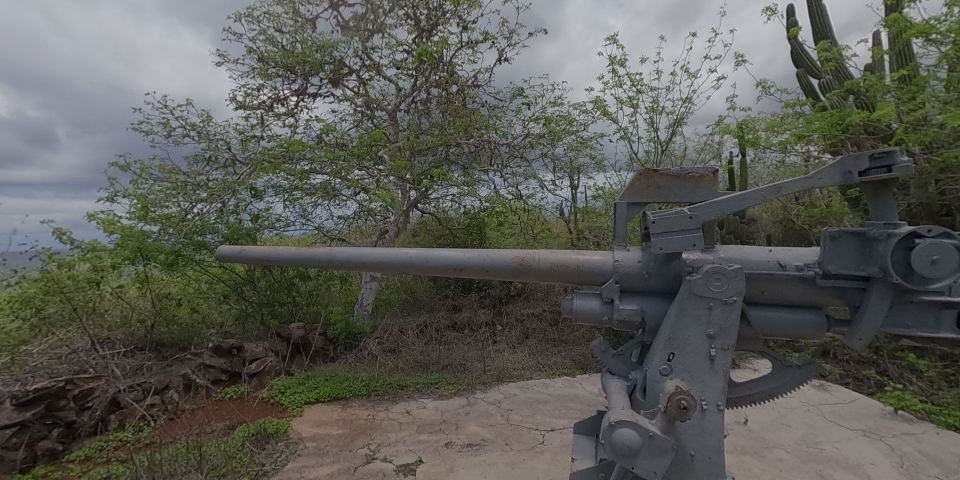
Scene 22Detailed view of the canyon located at Cerro Tijeretas

Immersive 360-degree image showing a detailed view of the canyon located at Cerro Tijeretas. Points of interest containing details about this unique site can be seen.

Points of interest

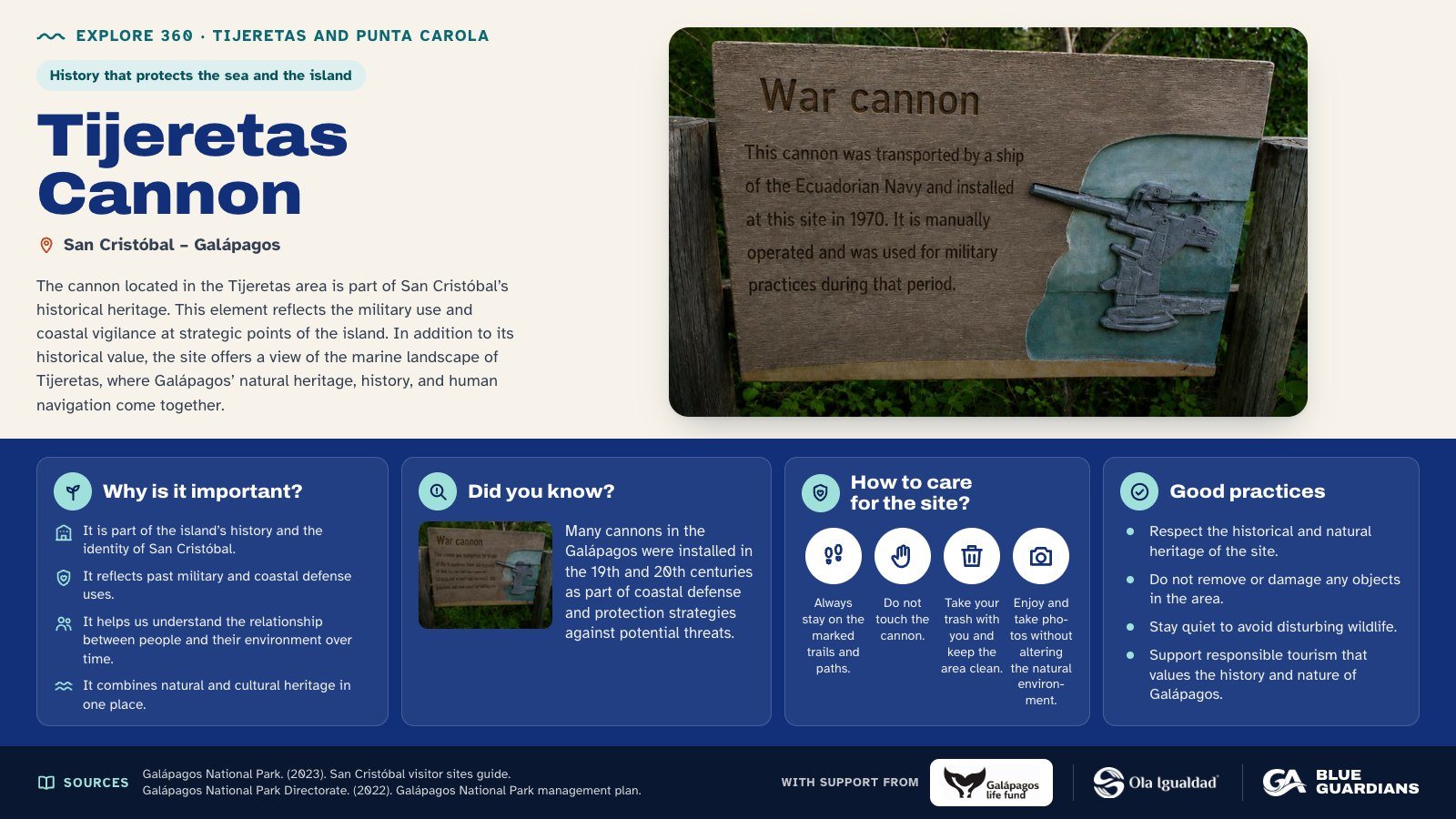
InfographicTijeretas cannon

Infographic about Tijeretas Cannon. The cannon located in the Tijeretas area is part of San Cristóbal’s historical heritage. Also covers: why is it important, did you know, how to care for the site and good practices.
From here you can go to

Back to the list of scenes

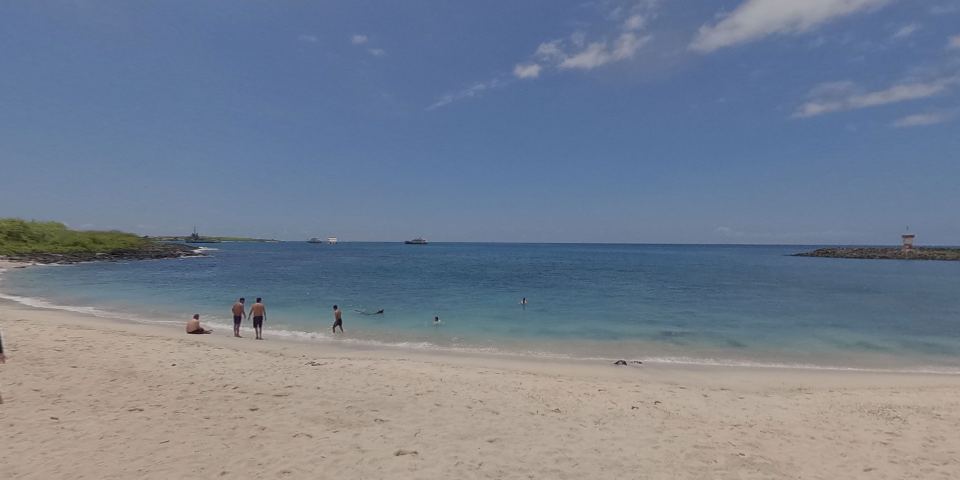
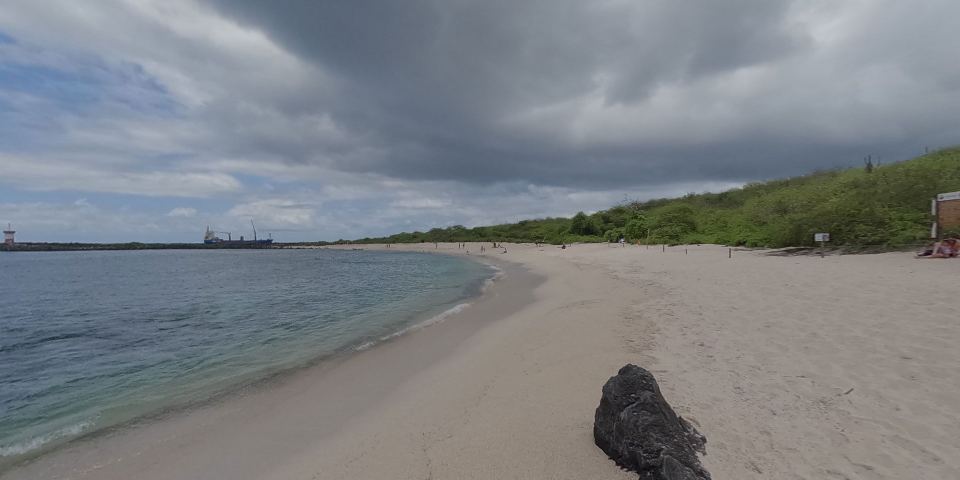
Scene 23Entrance to Punta Carola Beach

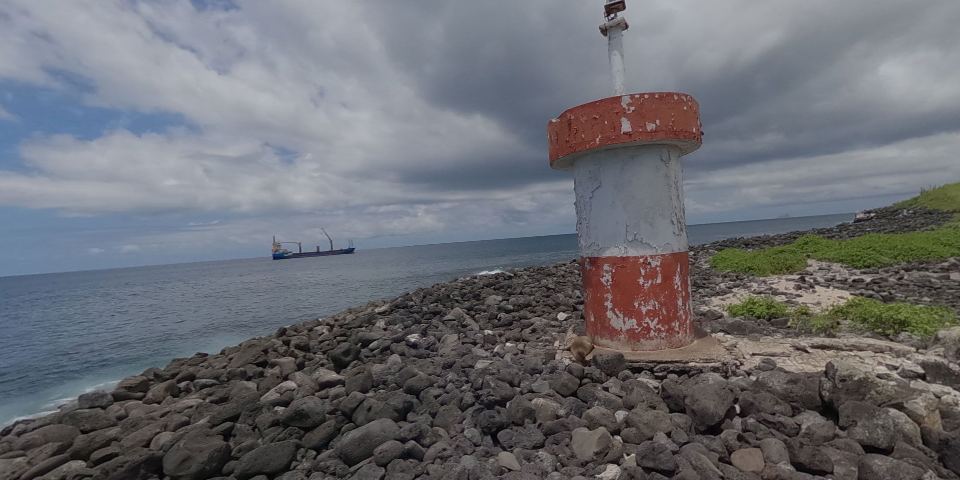
Immersive 360-degree image showing the entrance to Punta Carola Beach. Access points to explore the beach or head toward the lighthouse can be seen.

Points of interest

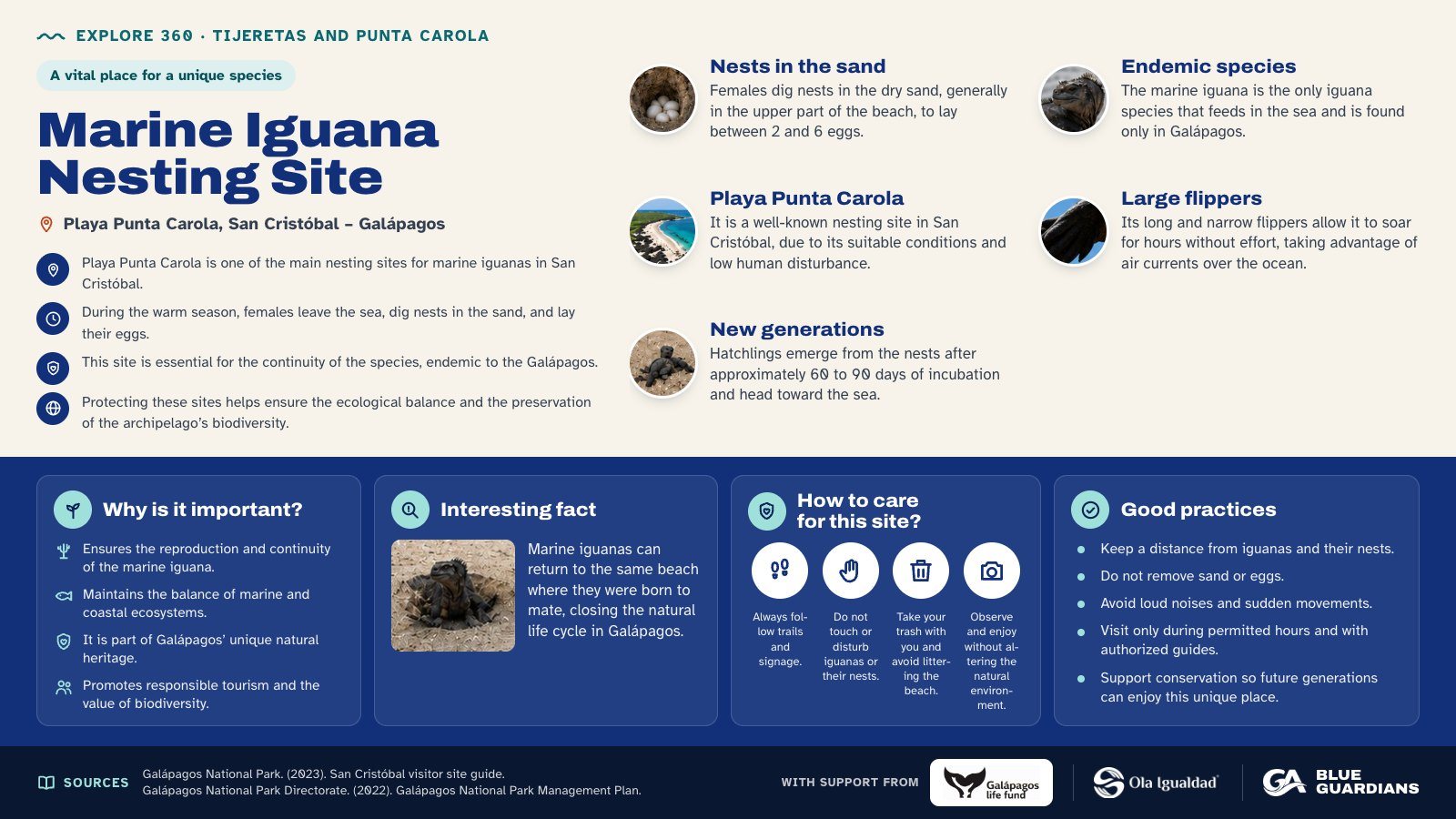
InfographicMarine iguana nesting site

Infographic about Marine Iguana Nesting Site: nests in the sand, endemic species, playa Punta Carola, large flippers and new generations. Also covers: why is it important, interesting fact, how to care for this site and good practices.
From here you can go to

Back to the list of scenes

Scene 24Path toward the Punta Carola lighthouse

Immersive 360-degree image showing the path toward the Punta Carola lighthouse. Points of interest about surfing activities carried out in the area can be seen.

Points of interest

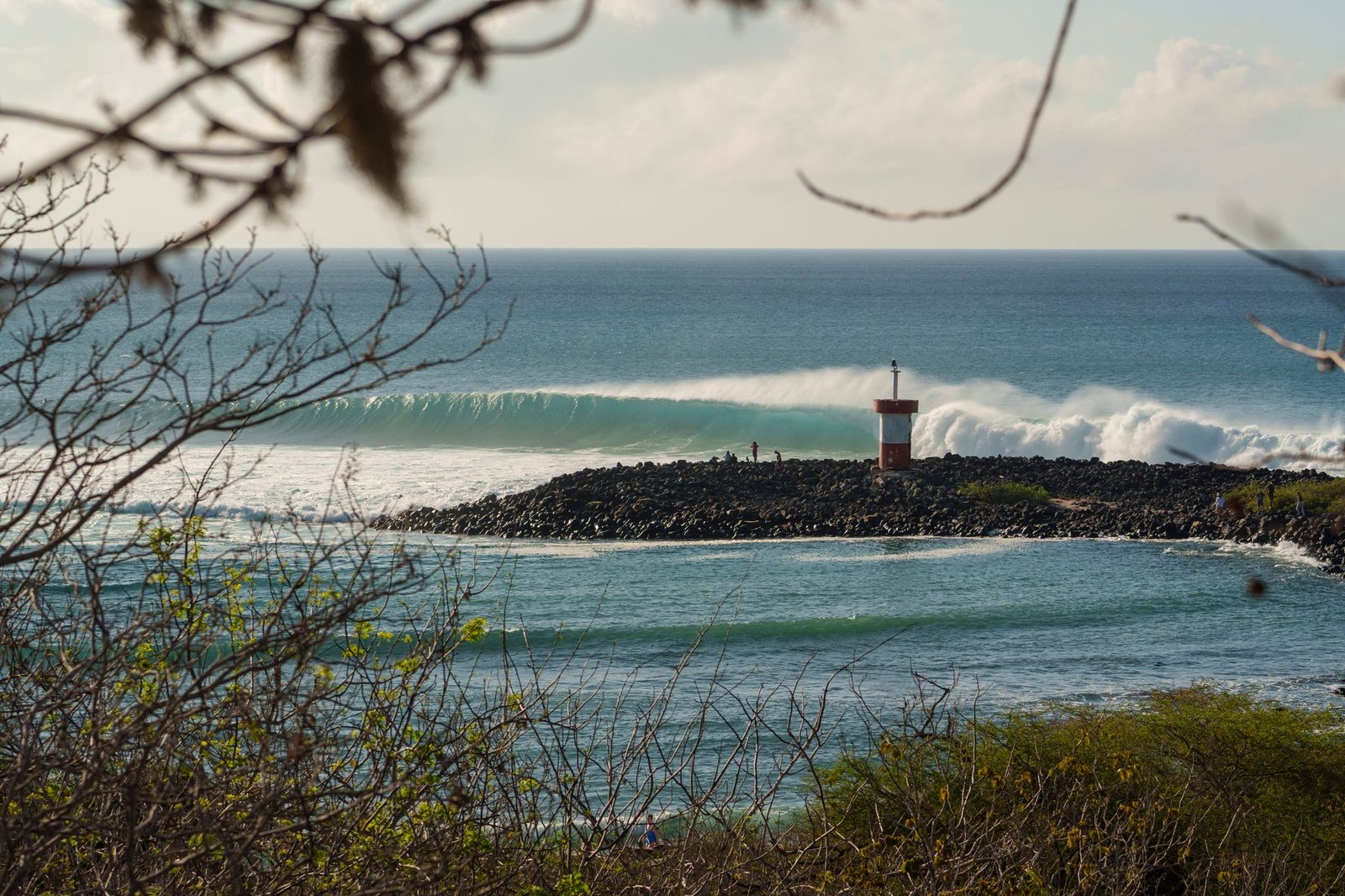
PhotoOla Carola

A sport tourism destination and a strategic point for surfing.
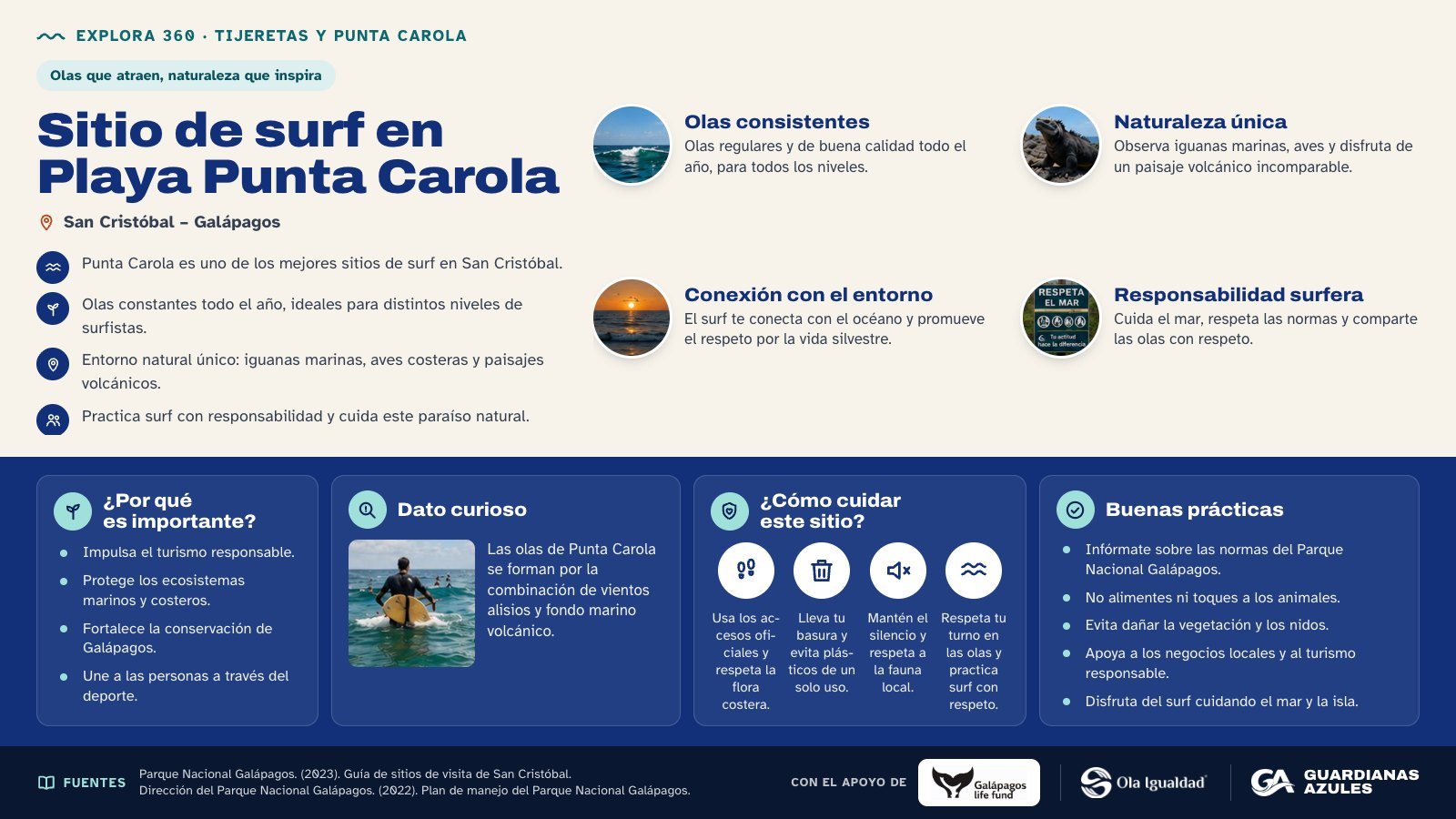
InfographicSurf at Punta Carola

Infografía sobre Sitio de surf en Playa Punta Carola: olas consistentes, conexión con el entorno, naturaleza única y responsabilidad surfera. Incluye por qué es importante, dato curioso, cómo cuidar este sitio y buenas prácticas.
From here you can go to

Back to the list of scenes

Scene 25One end of Punta Carola Beach

Immersive 360-degree image showing one end of Punta Carola Beach. Access points to explore the beach or head toward the lighthouse can be seen.

From here you can go to

Back to the list of scenes

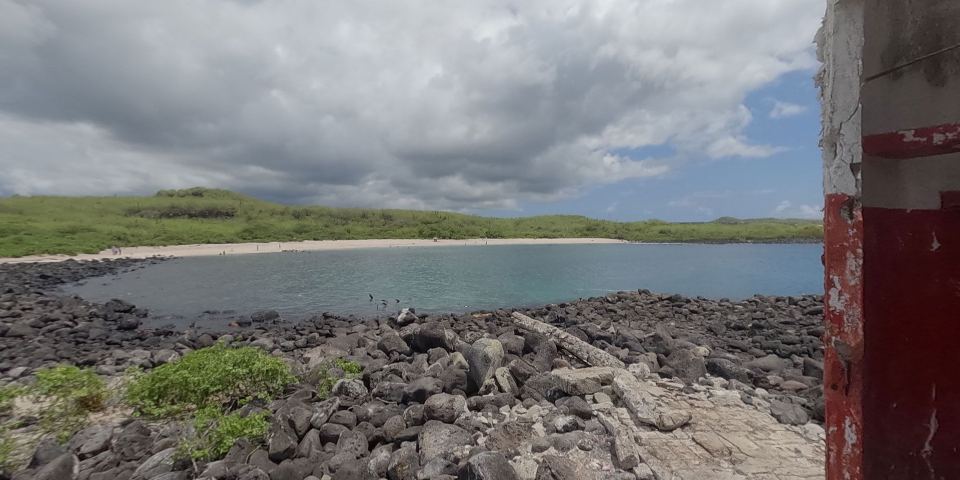
Scene 26Detailed view of the Punta Carola lighthouse

Immersive 360-degree image showing a detailed view of the Punta Carola lighthouse. Access points to explore the beach can be seen.

Points of interest

From here you can go to

Back to the list of scenes