360° tour · accessible version

Cerro Brujo: accessible 360° tour (text version)

Explore Cerro Brujo in 360°: white-sand beach, dunes, sea lions, ghost crabs and coastal plants on San Cristóbal, Galápagos. 7 scenes.

This page presents all the content of the 360° tour as text, images and links, for use with a screen reader or keyboard.

7 scenes · 28 points of interest

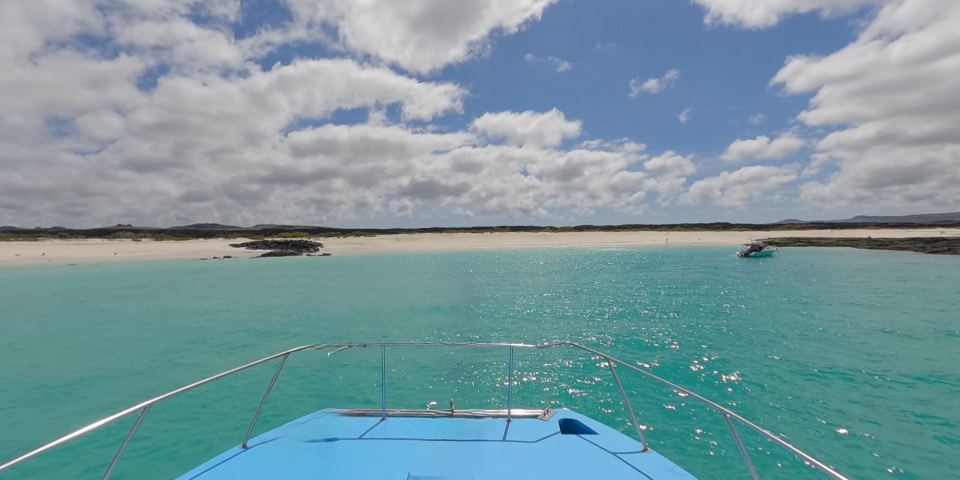
Scene 1Boat heading toward Cerro Brujo beach

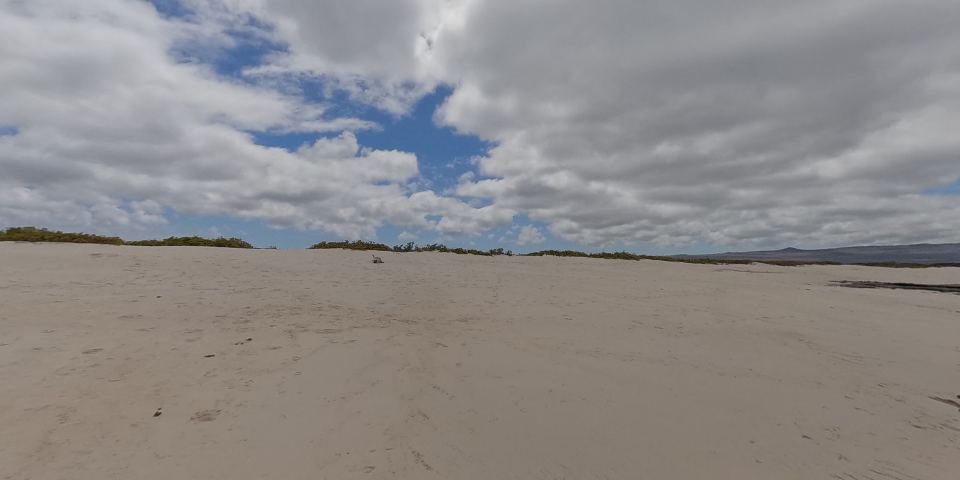
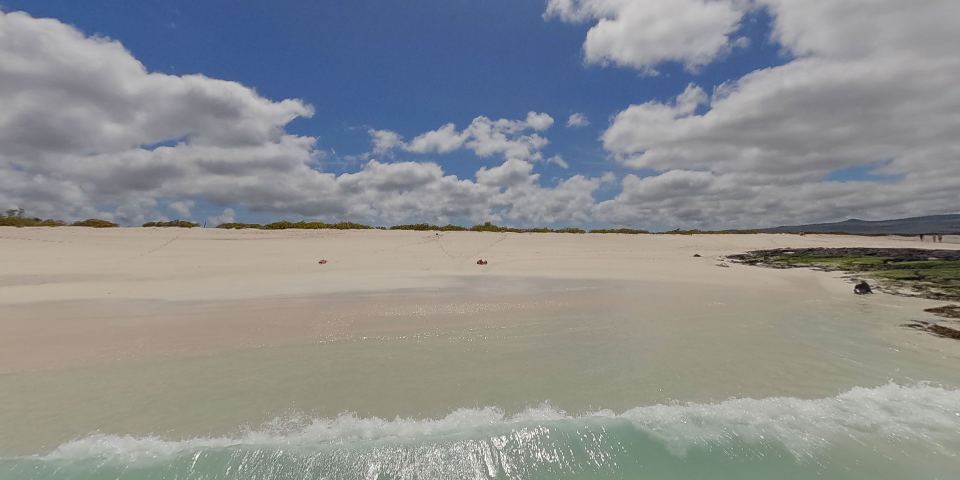
Immersive 360-degree image showing a boat heading toward Cerro Brujo beach. The sea can be seen, and in the background, a beach with sand dunes and vegetation.

Points of interest

TextCerro Brujo

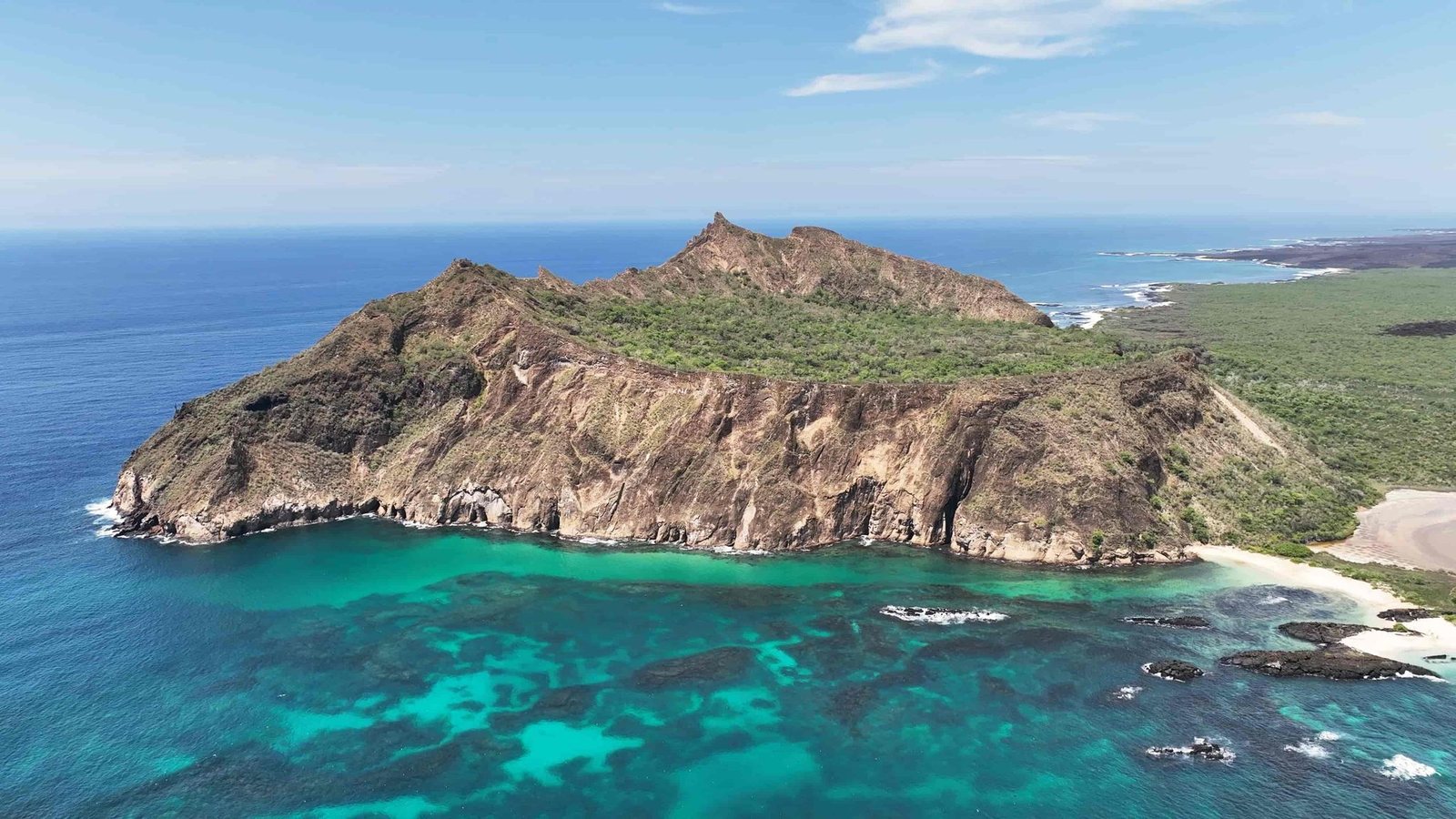
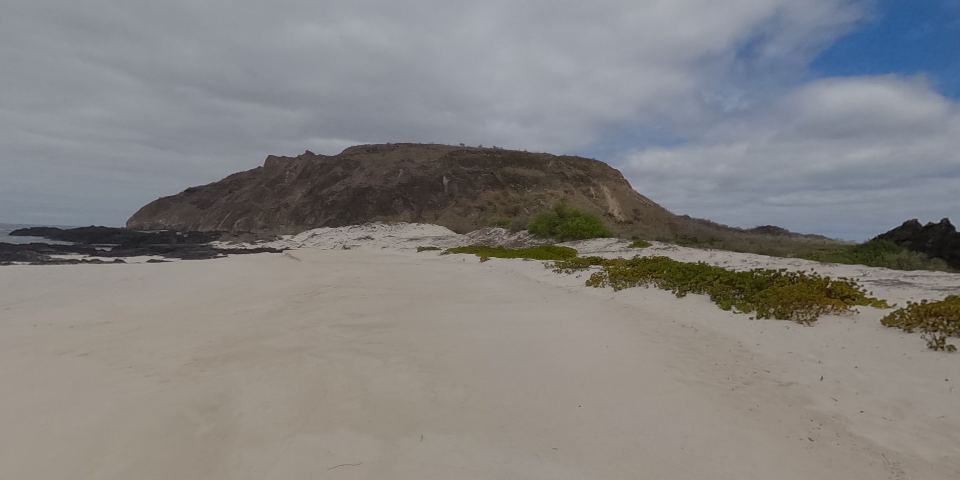
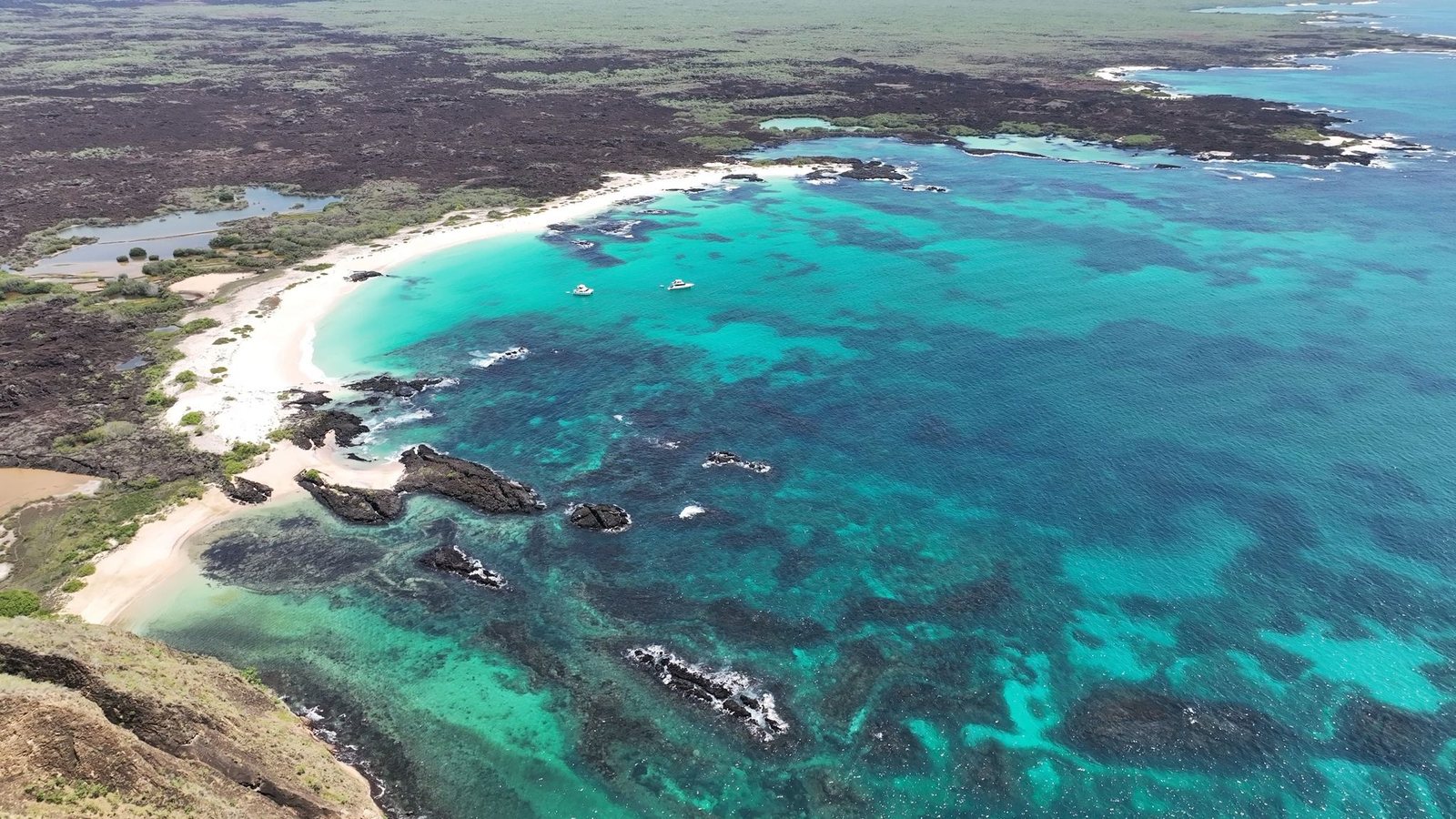
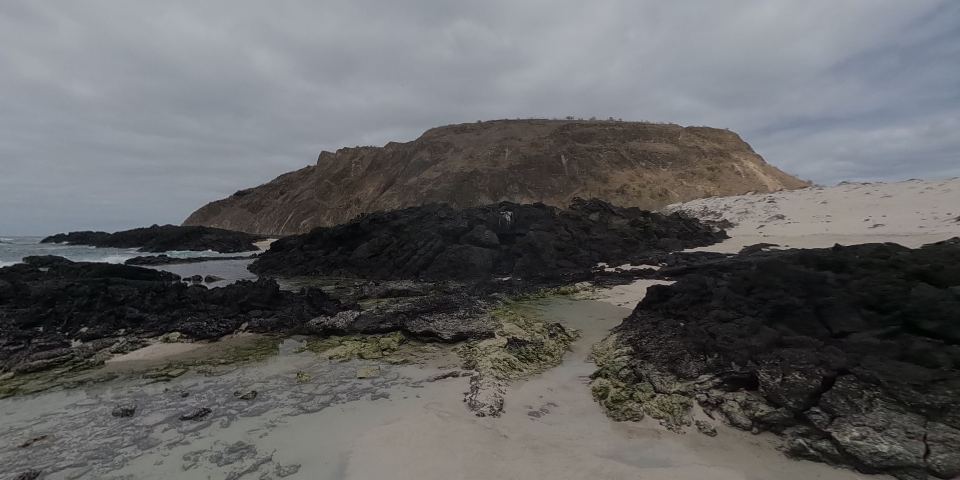
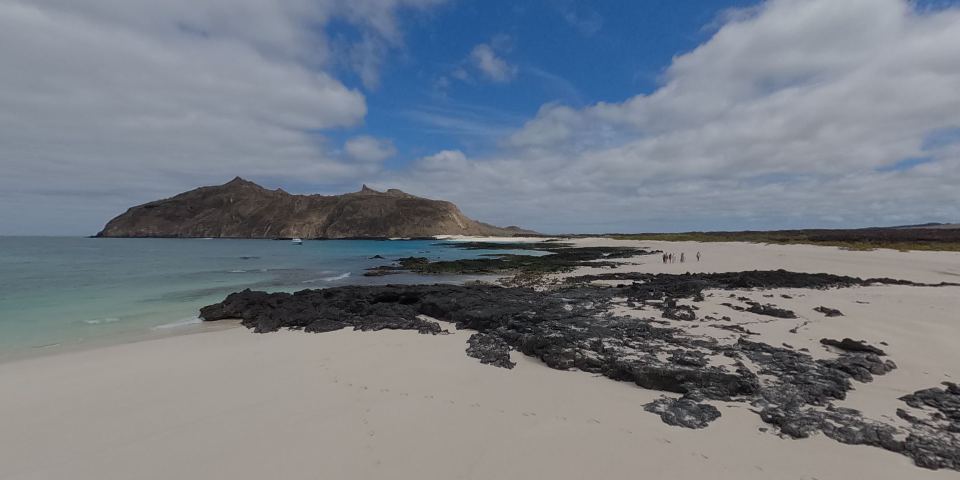
Cerro Brujo, on San Cristóbal Island, is a spectacular eroded tuff cone featuring one of the finest white sand beaches and clearest waters in Galápagos. It offers breathtaking scenery with views of León Dormido, ideal for observing sea lions and boobies, and for snorkeling in a pristine natural setting.
From here you can go to

Back to the list of scenes

Scene 2Shoreline of the beach at Cerro Brujo

Immersive 360-degree image showing the shoreline of the beach at Cerro Brujo. Several points of interest can be seen, including the local flora and fauna.

Points of interest

TextSand dune

Coastal ecosystem formed by mounds of biologically derived grains — mainly calcareous material produced by the breakdown of coral reefs and mollusk shells.

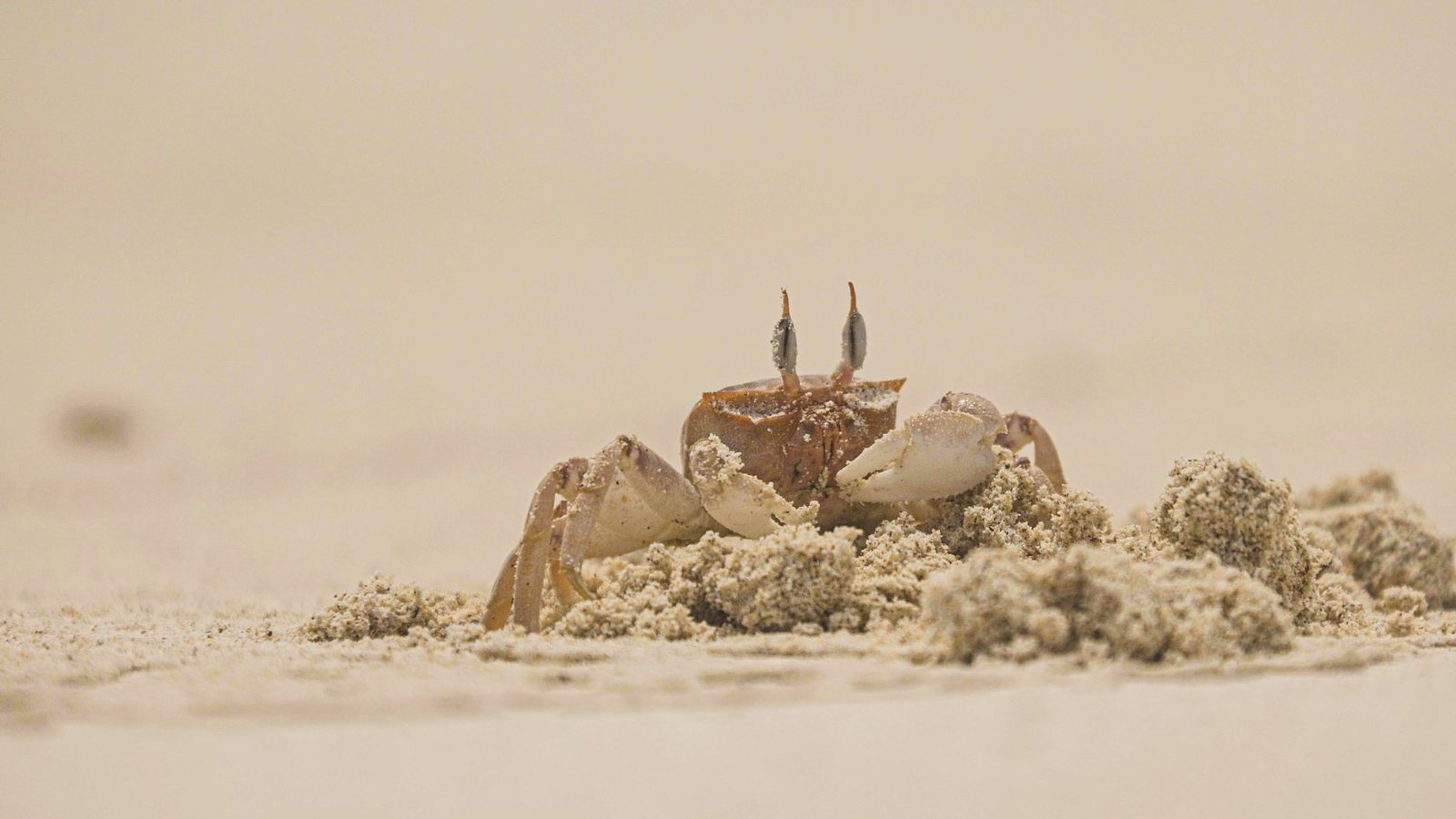
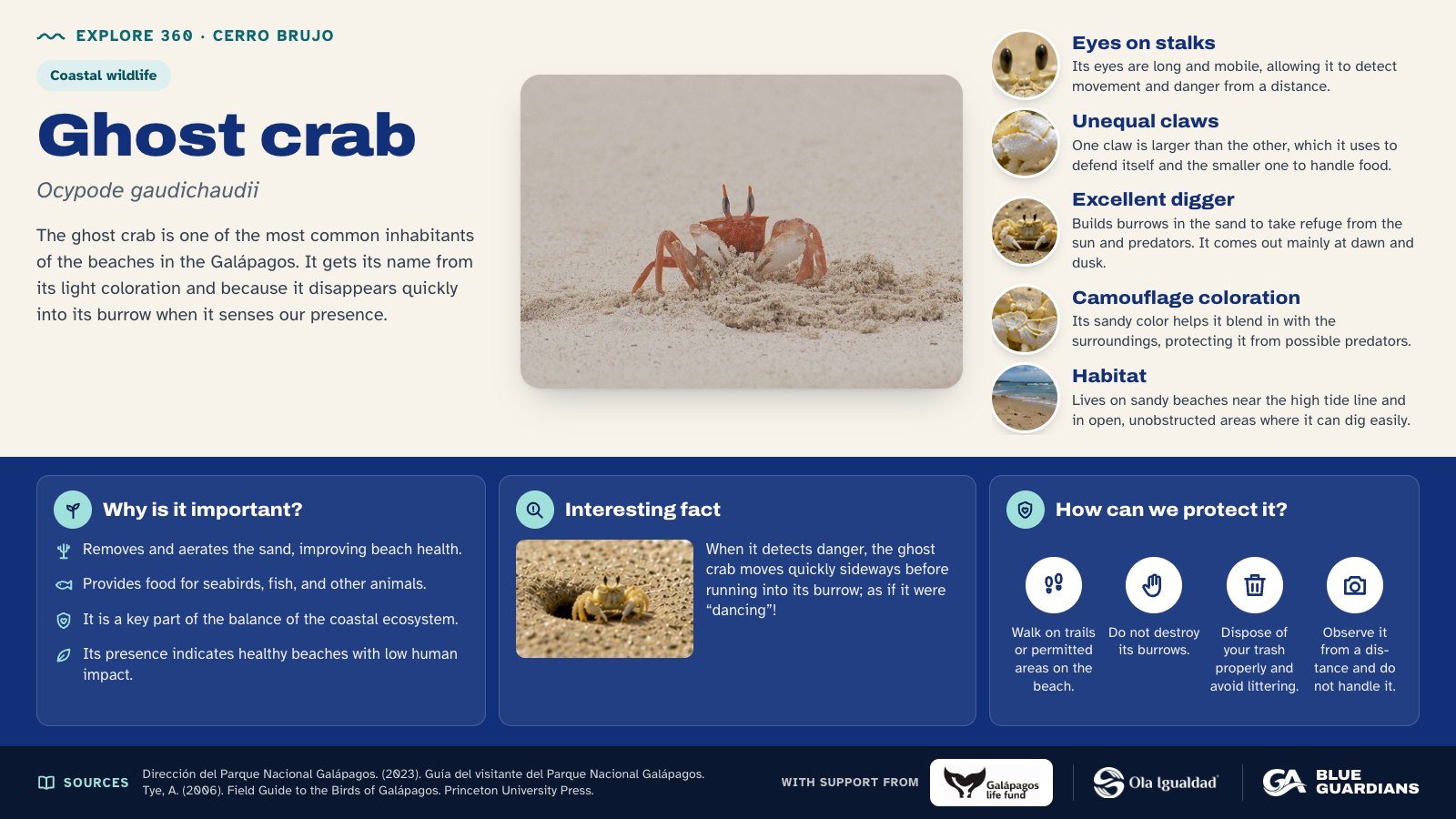
InfographicGhost Crab

Infographic about Ghost crab (Ocypode gaudichaudii): eyes on stalks, unequal claws, excellent digger, camouflage coloration and habitat. Also covers: why is it important, interesting fact and how can we protect it.

TextLeón Dormido

León Dormido, also known as Kicker Rock, off San Cristóbal, is an imposing 148-meter eroded volcanic cone that resembles a resting lion. It is an iconic snorkeling and diving site, famous for the channel between its rocks where hammerhead sharks, sea lions, and blue-footed boobies can be spotted.

TextSea lion

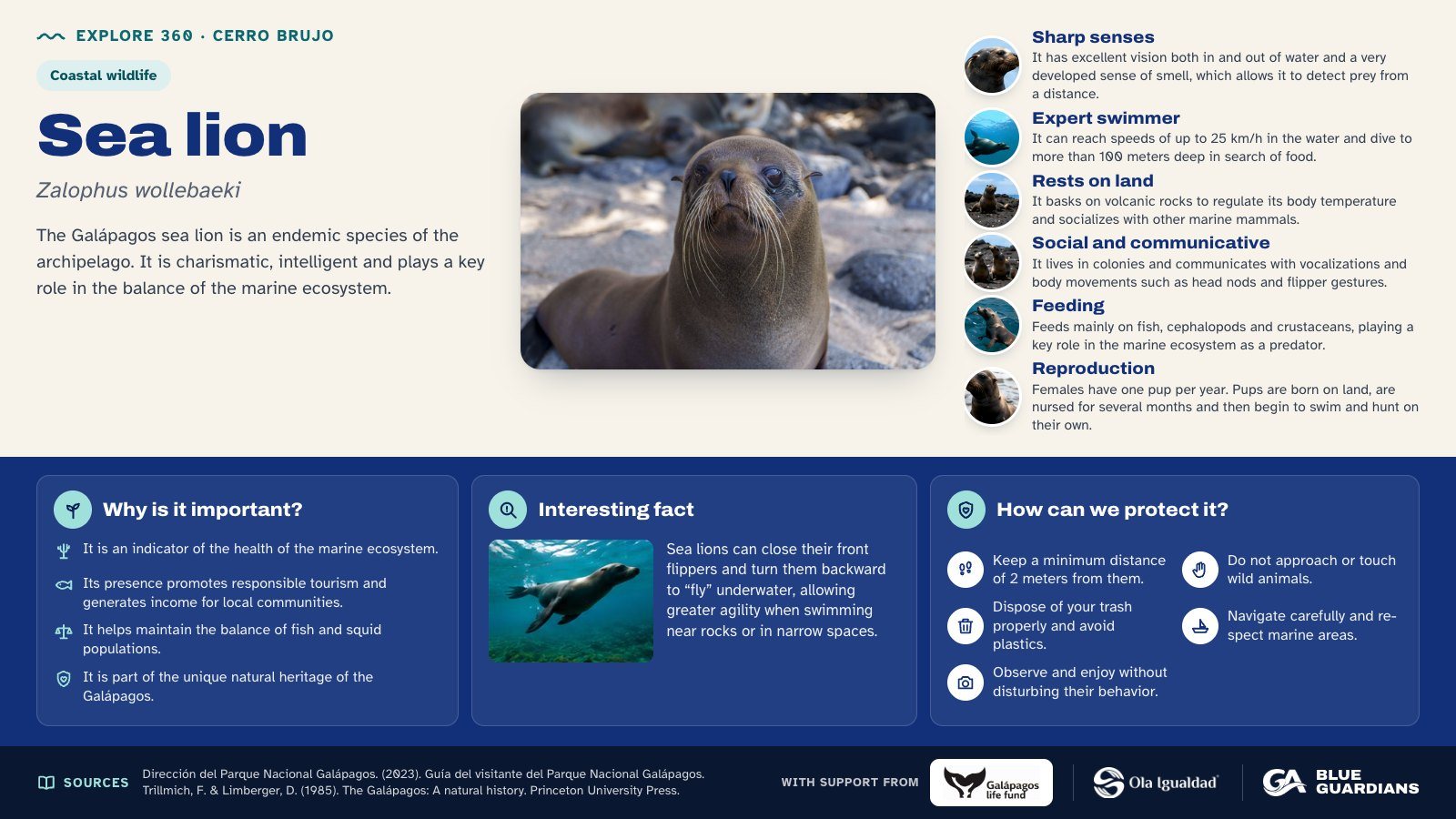
Galápagos Sea Lion ("Zalophus wollebaeki") - A marine mammal endemic to Galápagos, agile both in water and on land. It lives in coastal colonies, feeds on fish and squid, and shows sexual dimorphism.

InfographicSea lion

Infographic about Sea lion (Zalophus wollebaeki): sharp senses, expert swimmer, rests on land, social and communicative, feeding and reproduction. Also covers: why is it important, interesting fact and how can we protect it.

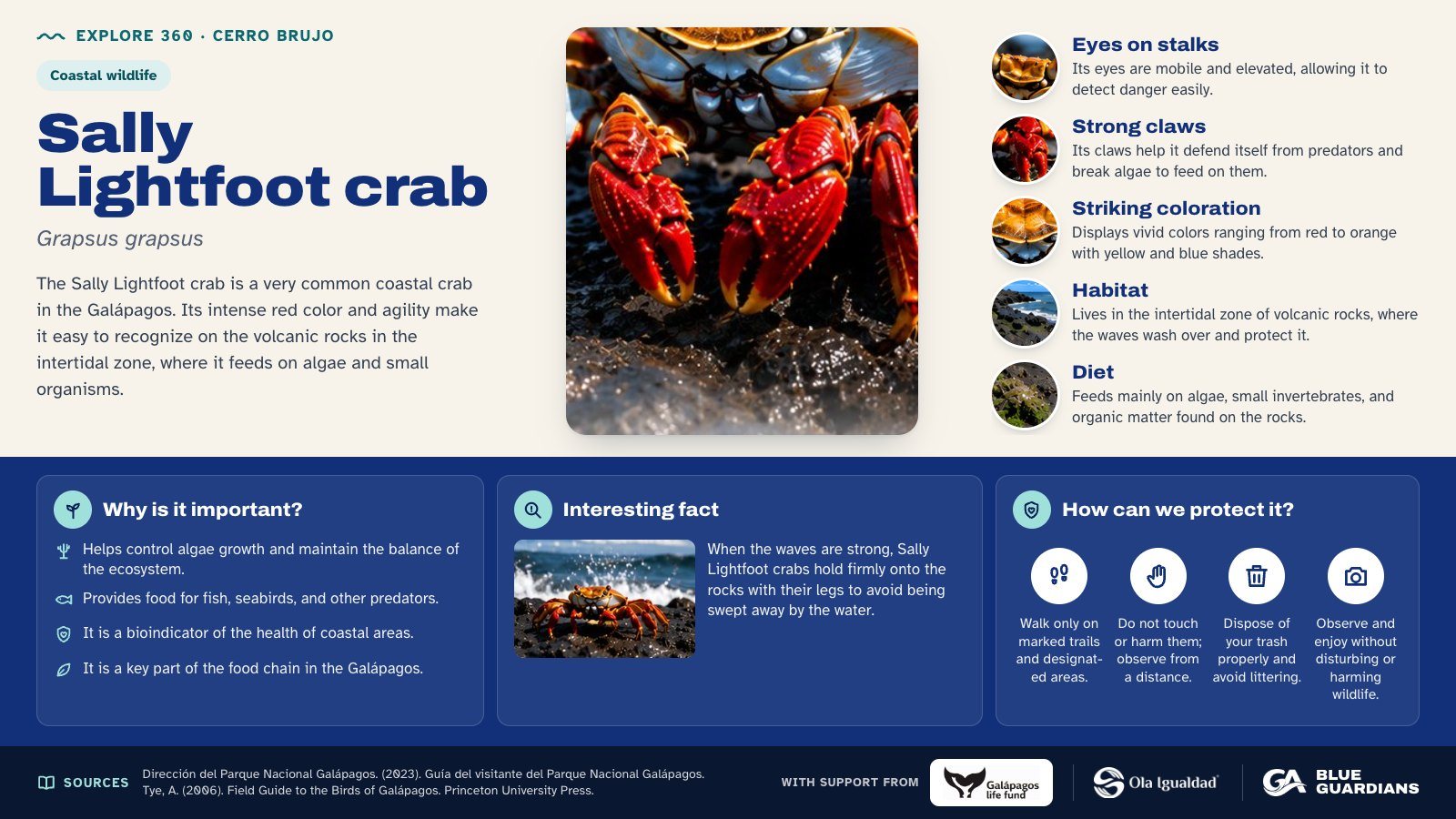
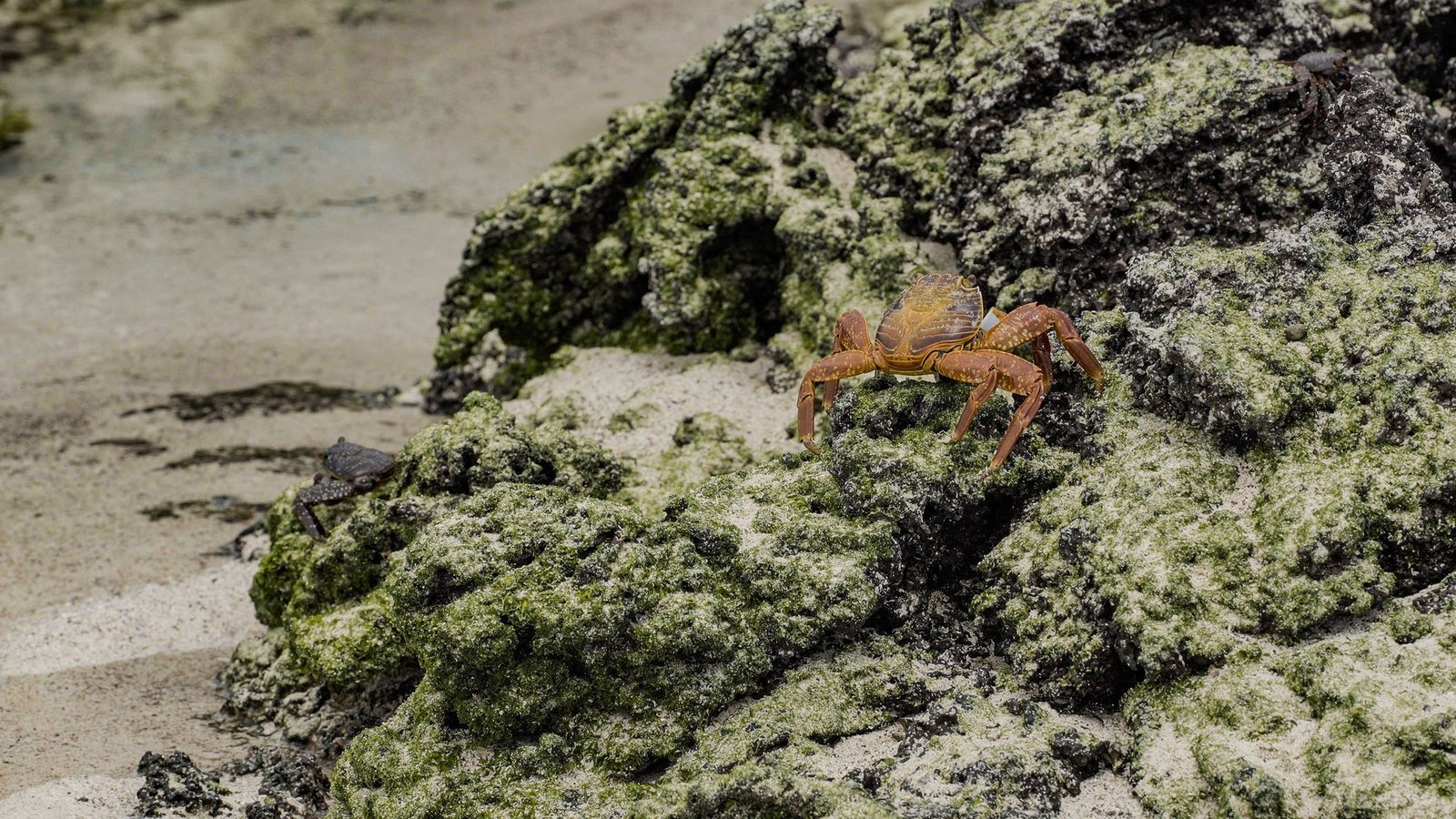
InfographicSally Lightfoot Crab

Infographic about Sally Lightfoot crab (Grapsus grapsus): eyes on stalks, strong claws, striking coloration, habitat and diet. Also covers: why is it important, interesting fact and how can we protect it.

From here you can go to

Back to the list of scenes

Scene 3Central area of Cerro Brujo beach

Immersive 360-degree image showing the central area of Cerro Brujo beach. From here, points of interest such as Cerro Brujo and sea lions can be seen.

Points of interest

PhotoPanoramic view

Spectacular eroded tuff cone featuring one of the finest white sand beaches and clearest waters in Galápagos. It offers breathtaking scenery with views of León Dormido, ideal for observing sea lions and boobies, and for snorkeling in a pristine natural setting.
TextSea lion

An endemic marine mammal, sociable and curious, small compared to its relatives. Males are large and territorial; females are more slender. They have brown skin and play on rocky beaches.

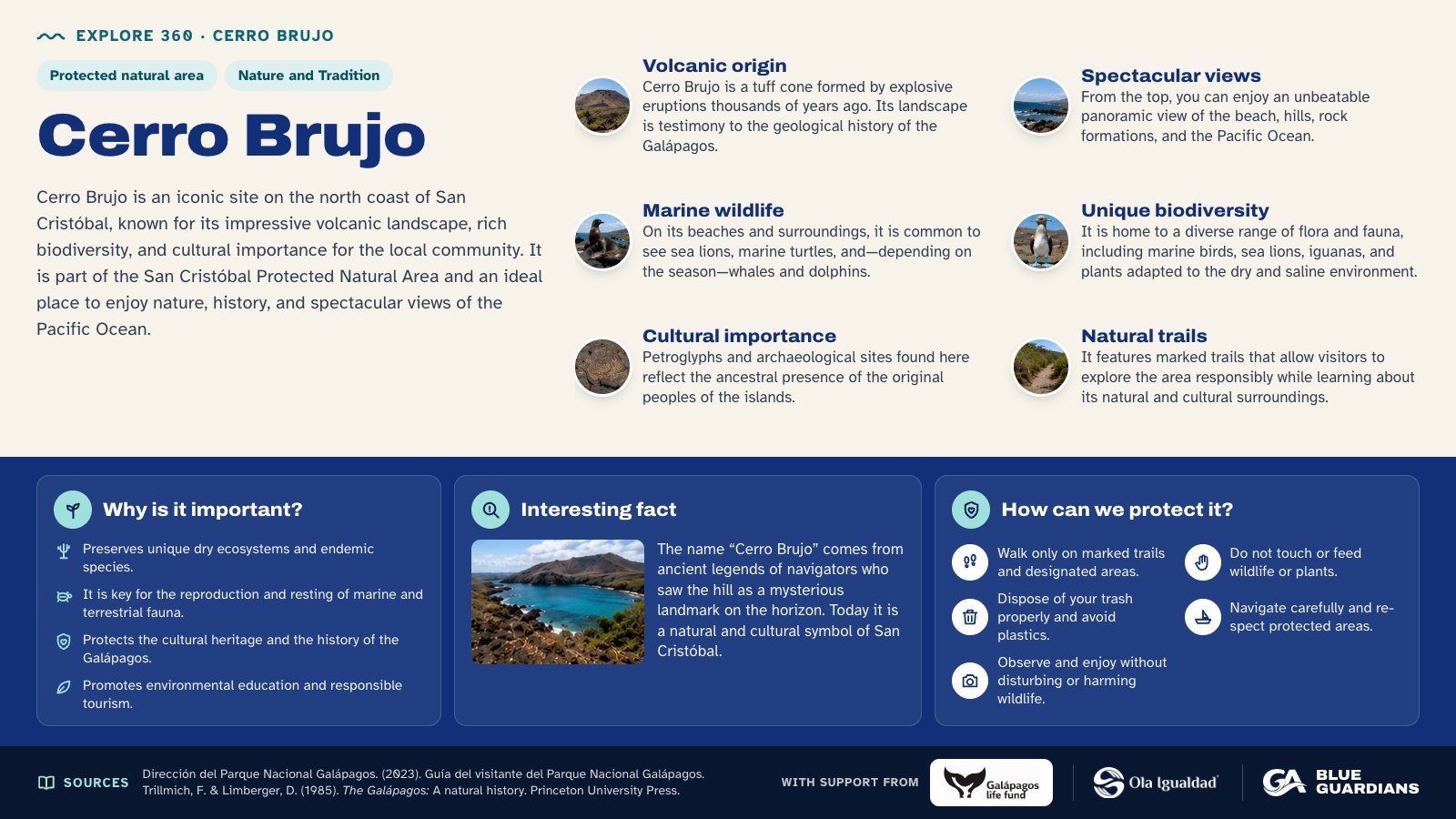
InfographicCerro Brujo

Infographic about Cerro Brujo: volcanic origin, spectacular views, marine wildlife, unique biodiversity, cultural importance and natural trails. Also covers: why is it important, interesting fact and how can we protect it.

From here you can go to

Back to the list of scenes

Scene 4Closer view of Cerro Brujo

Immersive 360-degree image showing a closer view of Cerro Brujo. From here, it is possible to move to the next point to explore the hill in greater detail.

Points of interest

PhotoPanoramic view of Cerro Brujo

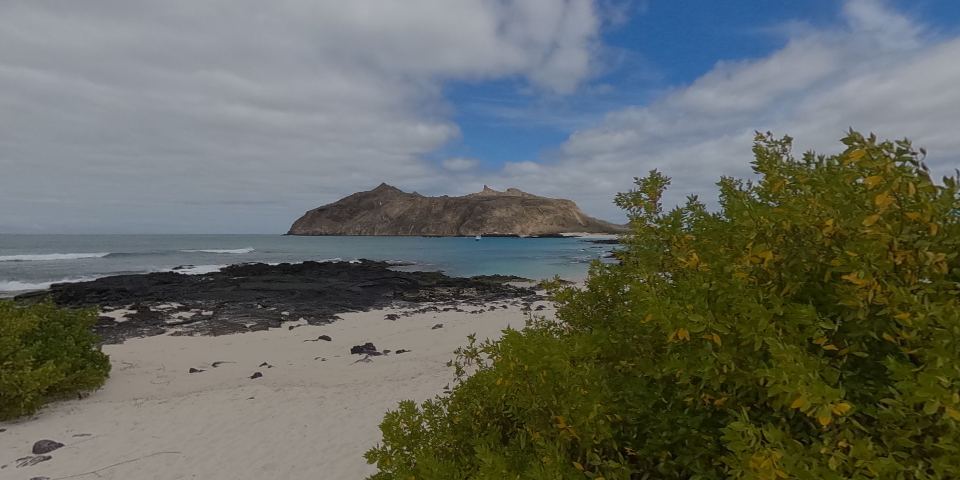
Panoramic view of Cerro Brujo

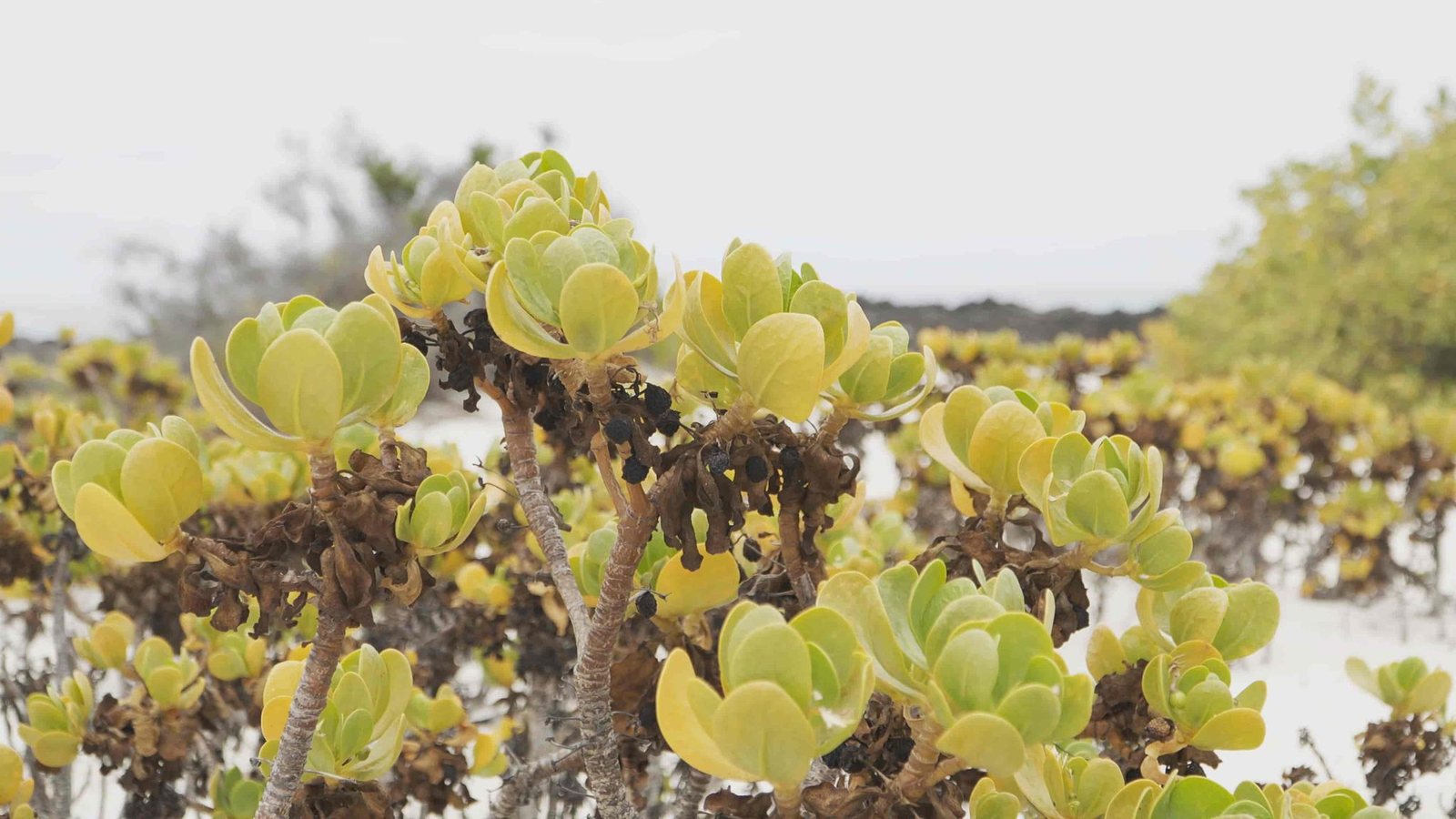
PhotoBeach Naupaka

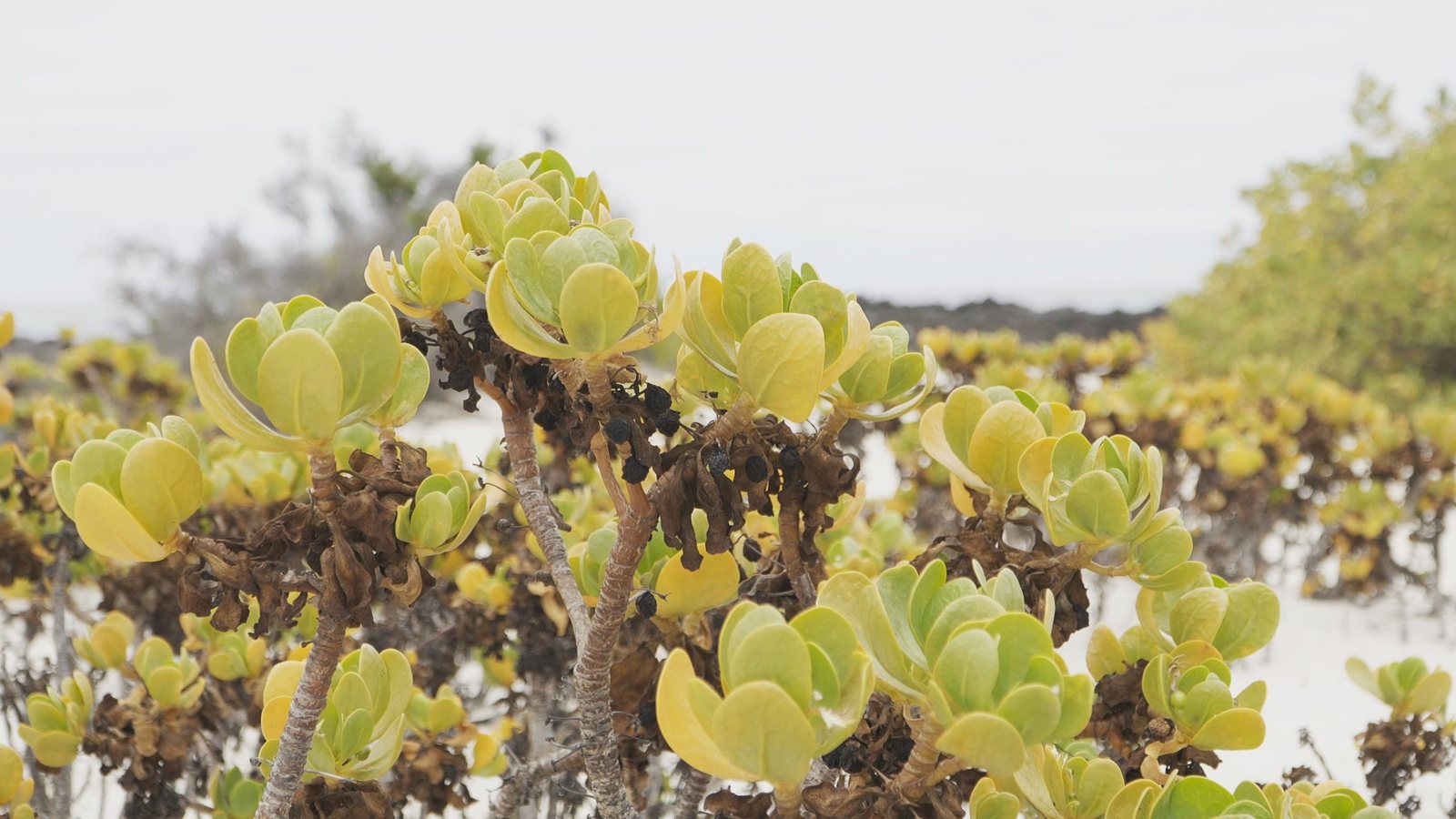
Beach Naupaka ("Scaevola plumieri") - A resilient coastal shrub with fleshy leaves and white flowers that stabilizes dunes and prevents erosion. In Galápagos it may be an introduced species that competes with native flora.

From here you can go to

Back to the list of scenes

Scene 5Cerro Brujo up close

Immersive 360-degree image showing Cerro Brujo up close. From this point, aerial views and video tours of the hill can be accessed.

Points of interest

From here you can go to

Back to the list of scenes

Scene 6Side area of Cerro Brujo beach

Immersive 360-degree image showing the side area of Cerro Brujo beach. From here, points of interest such as local flora and fauna can be seen, along with a video tour of Kicker Rock.

Points of interest

PhotoGalápagos Oystercatcher

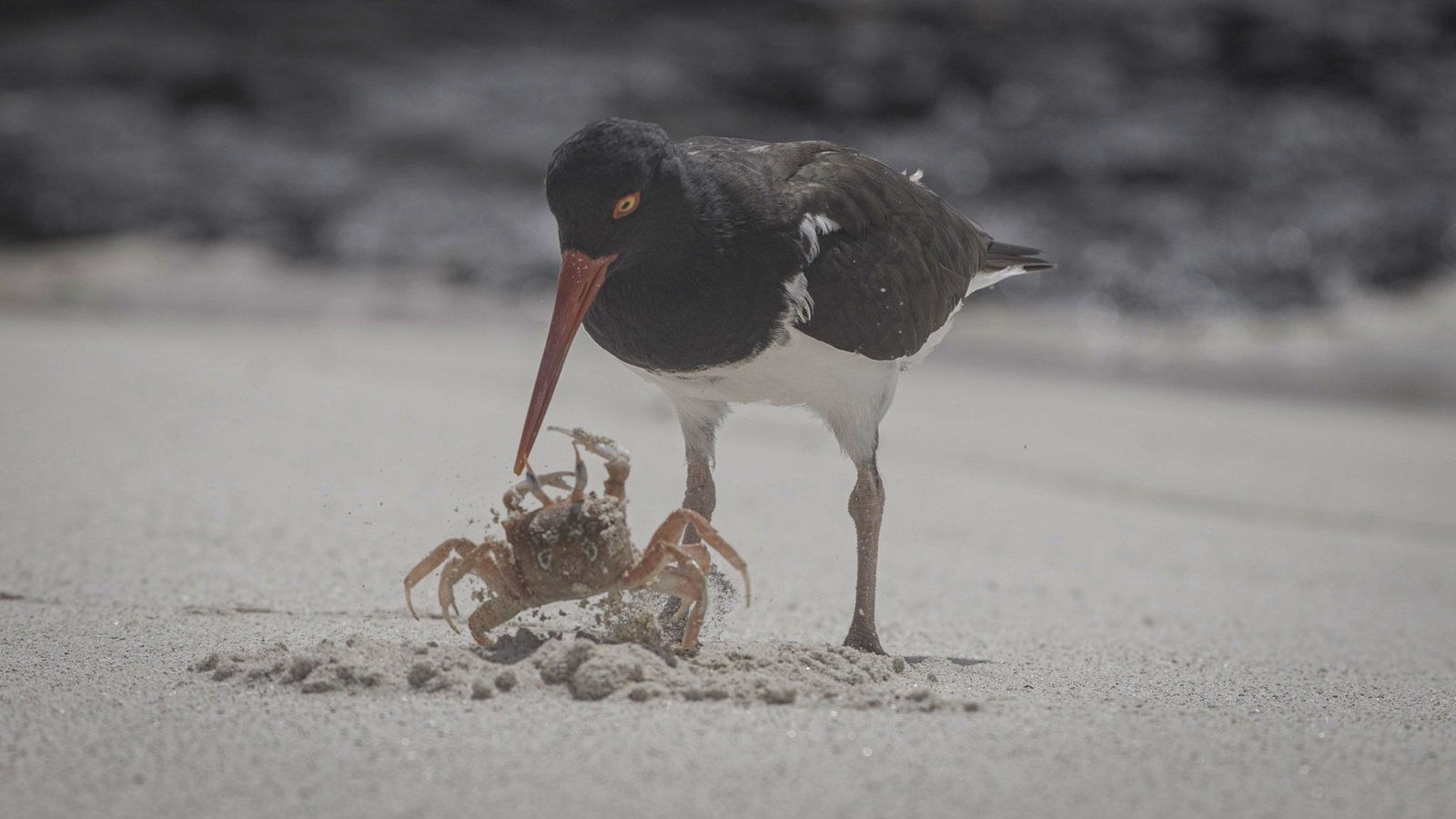
The Galápagos Oystercatcher ("Haematopus palliatus galapagensis") - striking coastal bird with black-and-white plumage, a bright orange bill, and pink legs. It uses its bill to pry open mollusks in the intertidal zone.

From here you can go to

Back to the list of scenes

Scene 7Far end of Cerro Brujo beach

Immersive 360-degree image showing the far end of Cerro Brujo beach. Several points of interest can be seen, including local flora and fauna.

Points of interest

TextVegetation

The coastal vegetation of Galápagos is characterized by mangroves (red, black, and white) and halophyte species — such as sea purslane — adapted to high salinity, intense sun, and rocky or sandy soils, providing essential habitat for marine iguanas, sea lions, and seabirds.

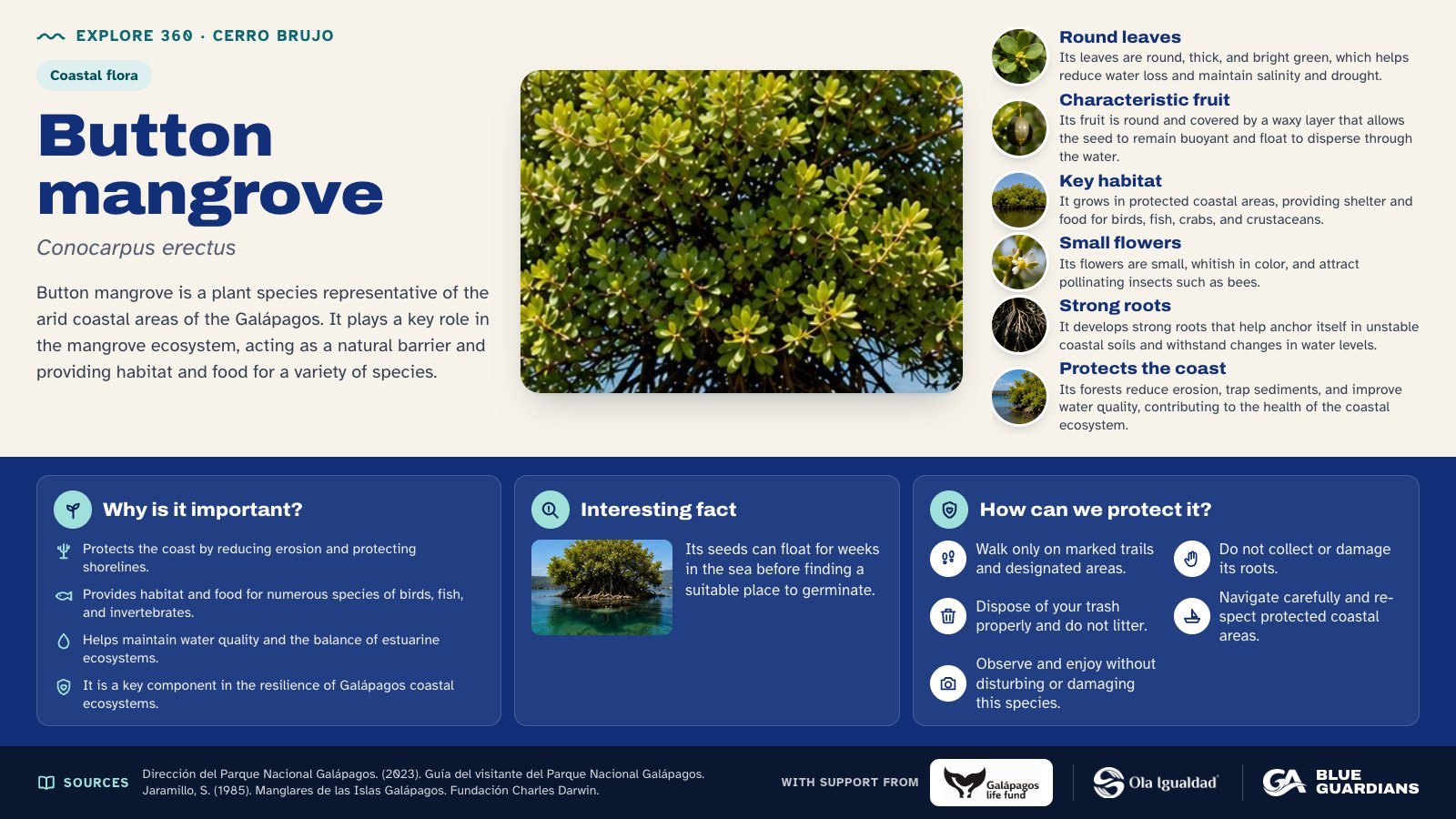
InfographicButton mangrove

Infographic about Button mangrove (Conocarpus erectus): round leaves, characteristic fruit, key habitat, small flowers, strong roots and protects the coast. Also covers: why is it important, interesting fact and how can we protect it.

PhotoBeach Naupaka

Beach Naupaka ("Scaevola plumieri") - A succulent shrub typical of tropical coastal zones.

PhotoSally Lightfoot Crab

Sally Lightfoot Crab ("Grapsus grapsus") - A colorful and agile crab found on rocky Pacific coasts, feeding on algae and invertebrates and recycling nutrients. Not evaluated by the IUCN; affected by human impacts on coastal areas.

PhotoGhost Crab

Ghost Crab ("Ocypode gaudichaudii") - A fast, nocturnal crab of sandy Pacific beaches, living in burrows and recycling nutrients. Not evaluated by the IUCN; vulnerable to human impacts on coastal areas.

From here you can go to

Back to the list of scenes